
Beautiful Plants For Your Interior
Beautiful Plants For Your Interior
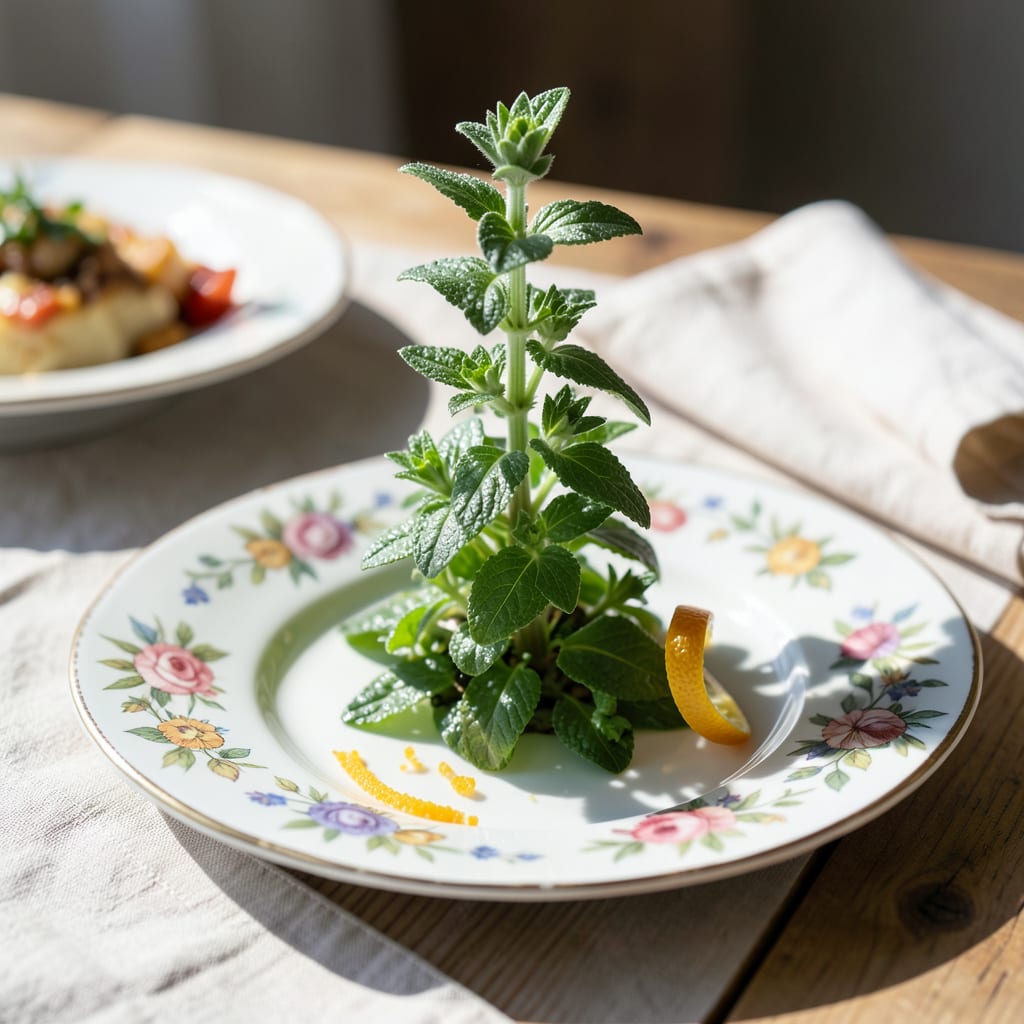
When planning your garden, understanding how tall your plants will grow is crucial. Salvia 💜 plants, known for their vibrant colors, can vary significantly in height.
In USDA Zone 6, you can expect Salvia to grow between 2-4 feet tall, depending on the variety and growing conditions. Let’s explore the factors that influence their height and how to manage them effectively.

When it comes to understanding how tall salvia plants can grow, several factors come into play. The height of these beautiful flowering plants can be influenced by various elements in their environment 🌿.
Soil quality, sunlight exposure, and watering practices are among the key factors that can significantly impact the growth and final height of salvia plants. Let’s take a closer look at these factors and how they contribute to the overall height of salvias.
Understanding these factors is crucial for gardeners who want to optimize the growth of their salvia plants. By adjusting these elements, you can influence the final height of your salvias 🌼.
Soil preparation is particularly important as it lays the foundation for healthy plant development. Ensuring that the soil is rich in organic matter and has good drainage can make a significant difference in how tall your salvias will grow.
Sunlight is another critical factor. Most salvia varieties thrive in full sun, which typically means they need at least 6 hours of direct sunlight per day. This exposure to sunlight directly correlates with the potential height of the plants.
Watering practices also play a vital role. While salvias are relatively drought-tolerant once established, consistent moisture during the growing season can promote more vigorous growth and potentially taller plants.
Fertilization can further enhance the growth of salvia plants. Using a balanced fertilizer during the growing season can provide the necessary nutrients for optimal development.
Finally, pruning is a technique that can be used to control the height of salvia plants. Regular pruning not only helps in maintaining a desired height but also encourages the plants to become bushier and more floriferous.
By considering these factors and adjusting your gardening practices accordingly, you can better predict and influence how tall your salvia plants will grow 🌻.
In summary, the height of salvia plants is influenced by a combination of factors including soil quality, sunlight exposure, watering practices, fertilization, and pruning. By optimizing these elements, gardeners can achieve the desired height for their salvias.
Salvia plants come in a wide range of varieties, each with its own unique characteristics and growth habits. Understanding the average height range for different Salvia varieties is essential for gardeners to plan their garden layout effectively 🌼.
The height of Salvia plants can vary significantly depending on the specific variety. Some compact varieties are bred to remain shorter, while others can grow quite tall. Knowing what to expect from your Salvia plants helps in choosing the right placement in your garden 🌻.
Compact Salvia varieties are ideal for smaller gardens or container gardening. They typically grow between 1-2 feet tall and have a bushy, compact growth habit 🌿.
Medium Salvia varieties offer a balance between height and compactness. They usually reach heights of 2-3 feet and have an upright, moderate growth habit, making them suitable for borders and mixed plantings 🌻.
Tall Salvia varieties are perfect for adding drama and height to garden beds. They can grow 3-4 feet tall and have a tall, upright growth habit. These varieties are often used as focal points in garden designs 🌼.
By understanding the average height range for different Salvia varieties, gardeners can make informed decisions about plant placement and garden design, ensuring a harmonious and thriving garden environment 🌱.
When selecting Salvia for your garden, consider factors such as soil quality, sunlight exposure, and watering practices to optimize growth and achieve the desired height 🌻.
For more information on caring for Salvia plants, including tips on pruning and fertilization, explore additional gardening resources to help you create a beautiful and vibrant garden 🌼.
Salvia plants are not only valued for their height but also for their vibrant colors and attracting pollinators, making them a valuable addition to any garden.
Controlling the height of Salvia plants is crucial for maintaining a well-structured garden. I find that proper pruning techniques can significantly impact the overall height and appearance of these beautiful flowering plants 🌼.
Pruning is one of the most effective methods for managing Salvia height. By regularly trimming back the stems, you can encourage bushier growth and prevent the plants from becoming too leggy. This technique not only helps in controlling height but also promotes more vigorous flowering 🌻.
Prune your Salvia plants in early spring to encourage new growth and control height. Remove dead or damaged stems to maintain plant health.
In addition to pruning, staking can be used to support taller Salvia varieties. This is particularly useful for varieties that tend to grow quite tall and may become top-heavy with flowers. By providing support, you can prevent the plants from flopping over and maintain their desired height 🌿.
Pinching is another technique that can help control Salvia height. By pinching off the tips of the stems, you can encourage the plant to branch out and become bushier. This method is especially effective for younger plants and can help in achieving a more compact growth habit 🌱.
By combining these techniques, gardeners can effectively manage the height of their Salvia plants and create a more balanced garden landscape 🌻.
For more gardening tips and advice on managing plant height, explore additional resources to enhance your gardening knowledge and skills 🌼.
