
Beautiful Plants For Your Interior
Beautiful Plants For Your Interior
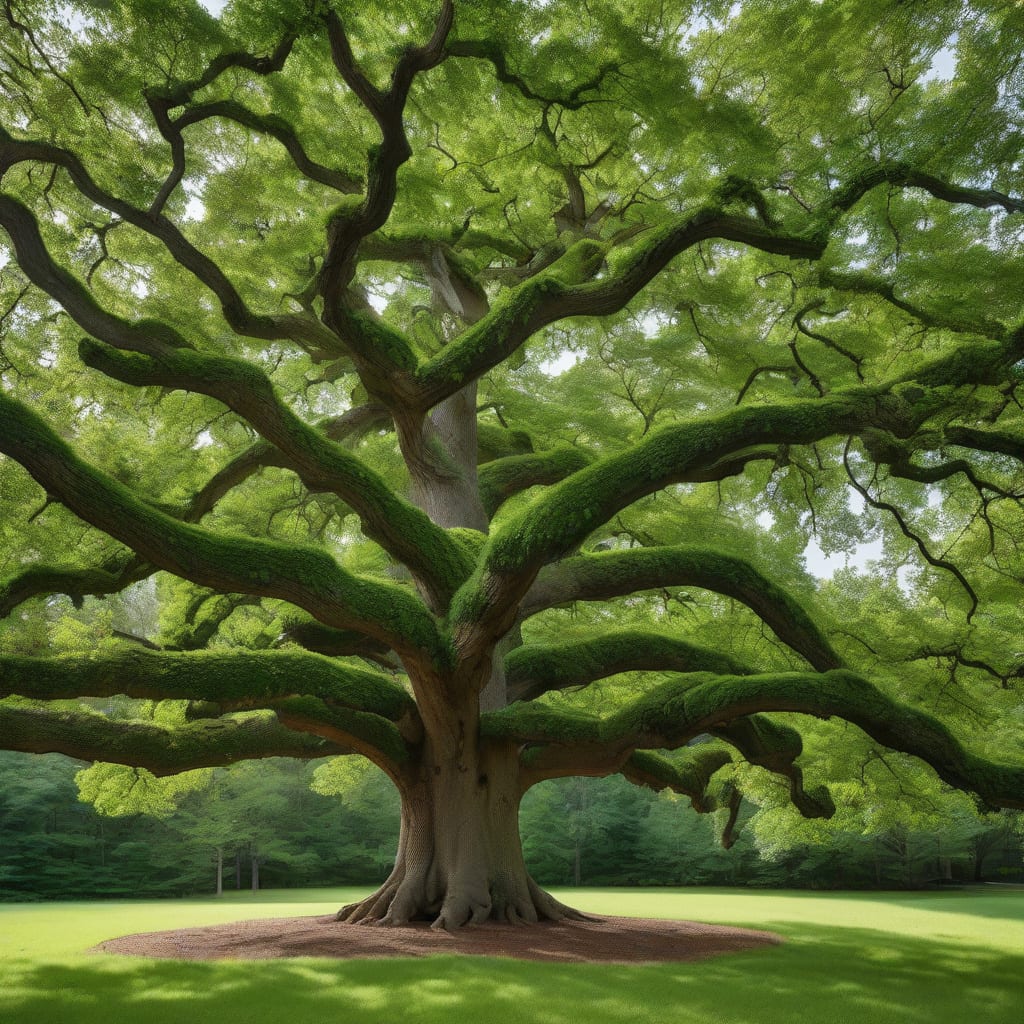
I’ve always been fascinated by the majestic White Oak 🌳, known for its impressive stature and longevity. These trees can live for centuries, but their height potential is just as remarkable.
White Oaks can grow to be 60-100 feet tall in ideal conditions, making them a stunning addition to any landscape in USDA Zone 6 and beyond. Let’s explore what influences their growth and how to care for them.

1-2 ft

2-4 ft

4-6 ft

60-100 ft
White oak trees are known for their impressive height, with some specimens reaching 100 feet or more in ideal conditions. The maximum height potential of white oaks depends on various factors, including genetics, environmental conditions, and proper care.
On average, white oaks can grow to be between 60-100 feet tall, with some exceptional trees exceeding 120 feet in height. The tallest white oaks are often found in areas with deep, well-draining soil and ample moisture.
The height potential of white oaks is influenced by factors such as soil quality, climate, and available sunlight. Trees growing in optimal conditions tend to reach their maximum height potential, while those in challenging environments may remain smaller.
To promote healthy growth and maximize height potential, white oaks require proper care, including regular watering, fertilization, and pruning. By providing the right conditions and care, you can help your white oak tree reach its full height potential 🌳.
White oaks are known for their slow to moderate growth rate, typically growing 1-2 feet per year. This steady growth rate allows the trees to develop a strong root system and tall,andt canopy.
The combination of genetic factors, environmental conditions, and proper care all contribute to the impressive height potential of white oak trees. By understanding these factors, you can better appreciate the growth habits of these magnificent trees 🌲.
One of the key factors influencing white oak height is soil quality. White oaks thrive in deep, well-draining soils that are rich in nutrients. Soils with good aeration and adequate moisture support healthy root development, which in turn promotes vertical growth.
Climate also plays a significant role in determining white oak height. Trees growing in temperate climates with distinct seasons tend to grow more slowly than those in milder climates. However, white oaks are adaptable to a range of climates and can be found growing in USDA zones 3-9.
In addition to soil and climate, available sunlight is crucial for white oak growth. Trees growing in full sun tend to grow more rapidly than those in shaded conditions. However, white oaks are relatively shade-tolerant and can still thrive in partially shaded environments.
By understanding the factors that influence white oak height, you can better appreciate the growth habits of these magnificent trees. Whether you’re a seasoned arborist or simply a nature enthusiast, white oaks are sure to impress with their towering presence 🌳.
Understanding the growth stages of white oak trees is crucial for appreciating their development and maximizing their height potential. White oaks go through several distinct growth phases, from sapling to maturity.
The growth rate of white oaks is typically slow to moderate, averaging 1-2 feet per year. This steady growth allows the trees to develop a strong root system and a tall, expansive canopy.
During the initial years, white oak saplings focus on developing their root system. They typically grow 1-2 feet per year, establishing a strong foundation for future growth.
As the tree matures, it begins to focus more on vertical growth. During this stage, white oaks can grow 2-3 feet per year, rapidly increasing in height.
Once mature, white oaks continue to grow, but at a slower rate. They may still add 1-2 feet per year, focusing on both height and canopy development.
White oaks are known for their longevity, with some trees living for centuries. This extended lifespan allows them to reach impressive heights over time.
Factors such as soil quality, climate, and available sunlight play significant roles in determining the height potential of white oaks. Trees growing in optimal conditions tend to reach their maximum height potential.
To promote healthy growth and maximize height, white oaks require proper care, including regular watering, fertilization, and pruning. By providing the right conditions and care, you can help your white oak tree reach its full height potential 🌳.
The combination of genetic factors, environmental conditions, and proper care all contribute to the impressive height potential of white oak trees. By understanding these factors, you can better appreciate the growth habits of these magnificent trees 🌲.
White oak trees are magnificent specimens that can grow to impressive heights, but their growth is influenced by various factors. Understanding these factors is crucial for promoting healthy growth and maximizing their height potential 🌳.
Several key elements affect white oak tree height and health, including soil quality, climate conditions, and available sunlight. Let’s explore these factors in more detail.
Be aware of environmental stressors like drought, extreme temperatures, and poor soil conditions that can impact white oak growth and health.
Soil quality plays a significant role in determining white oak height. Trees thrive in deep, well-draining soils rich in nutrients. Soils with good aeration and adequate moisture support healthy root development, promoting vertical growth 🌱.
Climate conditions also impact white oak growth. Trees growing in temperate climates with distinct seasons tend to grow more slowly than those in milder climates. White oaks are adaptable to various climates, found growing in USDA zones 3-9 🌟.
Available sunlight is another crucial factor. Trees growing in full sun tend to grow more rapidly than those in shaded conditions. However, white oaks are relatively shade-tolerant and can still thrive in partially shaded environments 🌲.
By understanding these factors and providing proper care, including regular watering, fertilization, and pruning, you can help your white oak tree reach its full height potential and maintain its health 🌳.
