
Beautiful Plants For Your Interior
Beautiful Plants For Your Interior
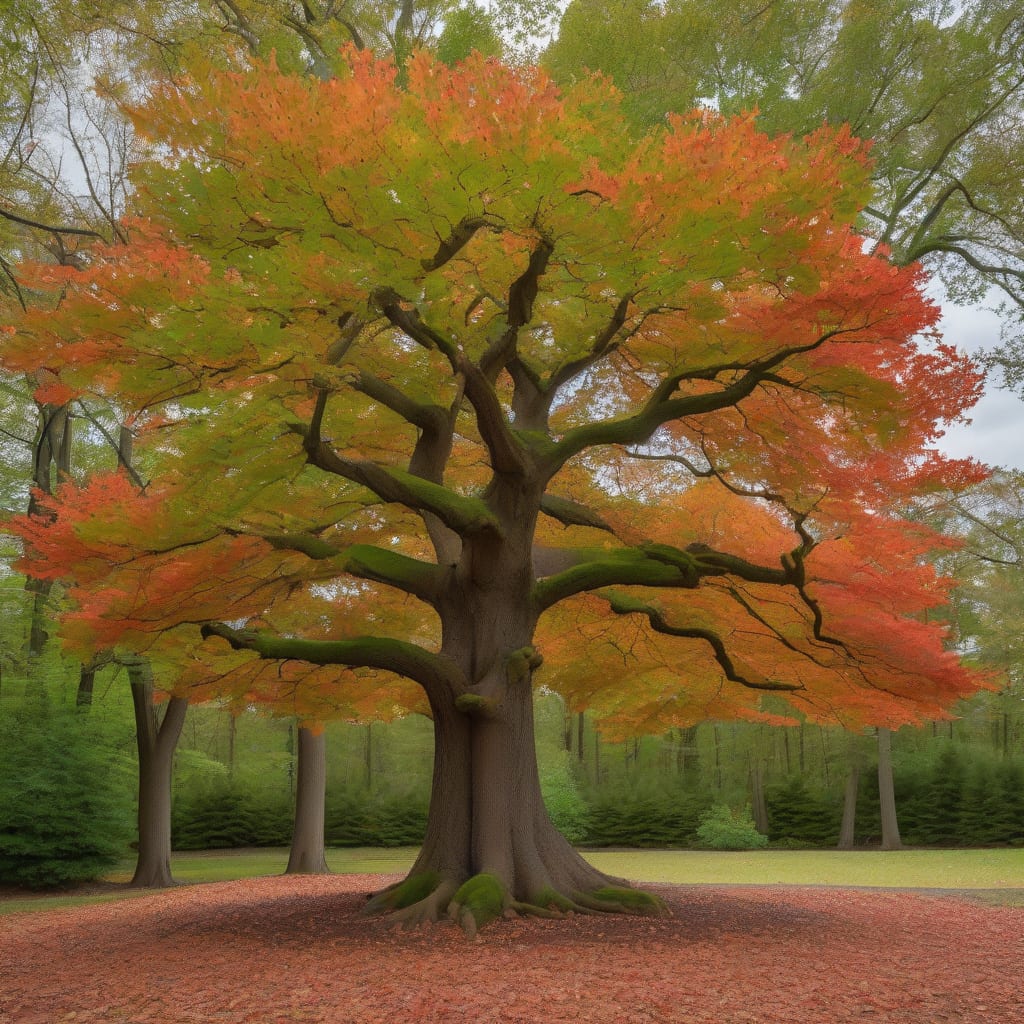
I’ve always been fascinated by the majestic Red Oak Tree 🌳, known for its impressive height and longevity. These trees can become a stunning centerpiece in any landscape, but understanding their growth potential is key to proper planning.
Let’s explore how tall Red Oak Trees can grow and what factors influence their maximum height, helping you make informed decisions for your garden or landscape in USDA Zone 6.


When considering how tall red oak trees can grow, it’s essential to understand the various factors that influence their height. The maximum height of a red oak tree is determined by a combination of environmental and genetic factors 🌳.
Environmental factors such as soil quality, climate conditions, and available space play a significant role in determining the height of red oak trees. For instance, trees growing in areas with rich soil and ample moisture tend to grow taller than those in poor soil conditions.
Understanding these factors is crucial for gardeners and landscapers to make informed decisions about planting and caring for red oak trees. By optimizing environmental conditions and selecting the right tree variety, you can help your red oak trees reach their full height potential 🌳.
Soil quality is particularly important, as red oak trees prefer well-draining, rich soil. Climate conditions also play a crucial role, with moderate temperatures and adequate rainfall supporting healthy growth. Additionally, available space is vital, as trees with ample room to grow tend to reach their maximum height.
By considering these factors and providing optimal conditions, you can help your red oak trees thrive and reach their full height potential. Regular maintenance, such as pruning and fertilization, can also support healthy growth and maximize height.
The genetic factors that influence the height of red oak trees cannot be overlooked. Different tree varieties have varying natural height potentials, and selecting the right variety for your specific conditions is essential.
In summary, the height of red oak trees is influenced by a complex interplay of environmental and genetic factors. By understanding and optimizing these factors, you can help your trees reach their full potential and enjoy their majestic presence in your landscape 🌳.
Red oak trees are known for their impressive height, with some specimens reaching heights of over 100 feet. However, the average height of a mature red oak tree is typically between 60 to 80 feet.
To maximize the height of your red oak trees, it’s essential to provide optimal growing conditions, including full sun to partial shade and well-draining soil. Regular maintenance, such as pruning and fertilization, can also support healthy growth and maximize height 🌟.
By understanding the factors that influence the height of red oak trees and providing optimal care, you can help your trees thrive and reach their full potential. Whether you’re a seasoned gardener or just starting out, growing red oak trees can be a rewarding experience 🌳.
Red oak trees are known for their impressive height, with some specimens reaching heights of over 100 feet. However, the average height of a mature red oak tree is typically between 60 to 80 feet. Understanding the maximum height potential of these trees is crucial for proper planning and maintenance in your landscape 🌳.
Most red oak trees typically grow between 60 to 80 feet tall, making them a significant presence in any landscape.
Some red oak trees can reach heights of over 100 feet under ideal growing conditions.
Red oak trees are considered moderate to fast-growing, with young trees often growing 1-2 feet per year.
The height potential of red oak trees is influenced by various factors, including soil quality, climate conditions, and available space. Trees growing in areas with rich soil and ample moisture tend to grow taller than those in poor soil conditions 🌟.
To maximize the height of your red oak trees, it’s essential to provide optimal growing conditions, including full sun to partial shade and well-draining soil. Regular maintenance, such as pruning and fertilization, can also support healthy growth and maximize height 🌳.
Understanding the maximum height potential of red oak trees helps you plan your landscape effectively. Whether you’re looking to create a natural canopy or simply appreciate the majesty of these trees, knowing what to expect is key to successful gardening 🌱.
Red oak trees can live for hundreds of years, with some specimens known to exceed 300 years in age. This longevity, combined with their impressive height, makes them a valuable addition to any landscape 🌳.
By understanding the growth patterns and maximum heights of red oak trees, you can make informed decisions about planting and caring for these magnificent trees. With proper care and optimal growing conditions, red oak trees can thrive and become a stunning centerpiece in your landscape 🌟.
To help red oak trees reach their maximum height potential, proper management techniques are essential. The height of red oak trees can be influenced by various factors, including pruning techniques, soil management, and other maintenance practices 🌳.
Prune your red oak trees during their dormant season to promote healthy growth and maximize height. Remove any dead or diseased branches to prevent damage and encourage vertical growth 🌟.
Pruning techniques play a crucial role in managing the height of red oak trees. By removing lower branches, you can promote a strong, central leader and encourage upward growth. It’s also essential to remove any dead or diseased branches to prevent damage and encourage healthy growth 🌳.
Soil management is another critical factor in managing red oak tree growth. These trees prefer well-draining, rich soil with a slightly acidic pH. Regular fertilization can also support healthy growth, but be cautious not to over-fertilize, as this can cause more harm than good 🌟.
In addition to pruning and soil management, other maintenance practices can influence the height of red oak trees. Regular watering is essential, especially during the first few years after planting. Red oak trees prefer consistent moisture, but they can tolerate some drought once established 🌳.
By implementing these management techniques and providing optimal growing conditions, you can help your red oak trees reach their full height potential and enjoy their majestic presence in your landscape 🌳.
