
Beautiful Plants For Your Interior
Beautiful Plants For Your Interior
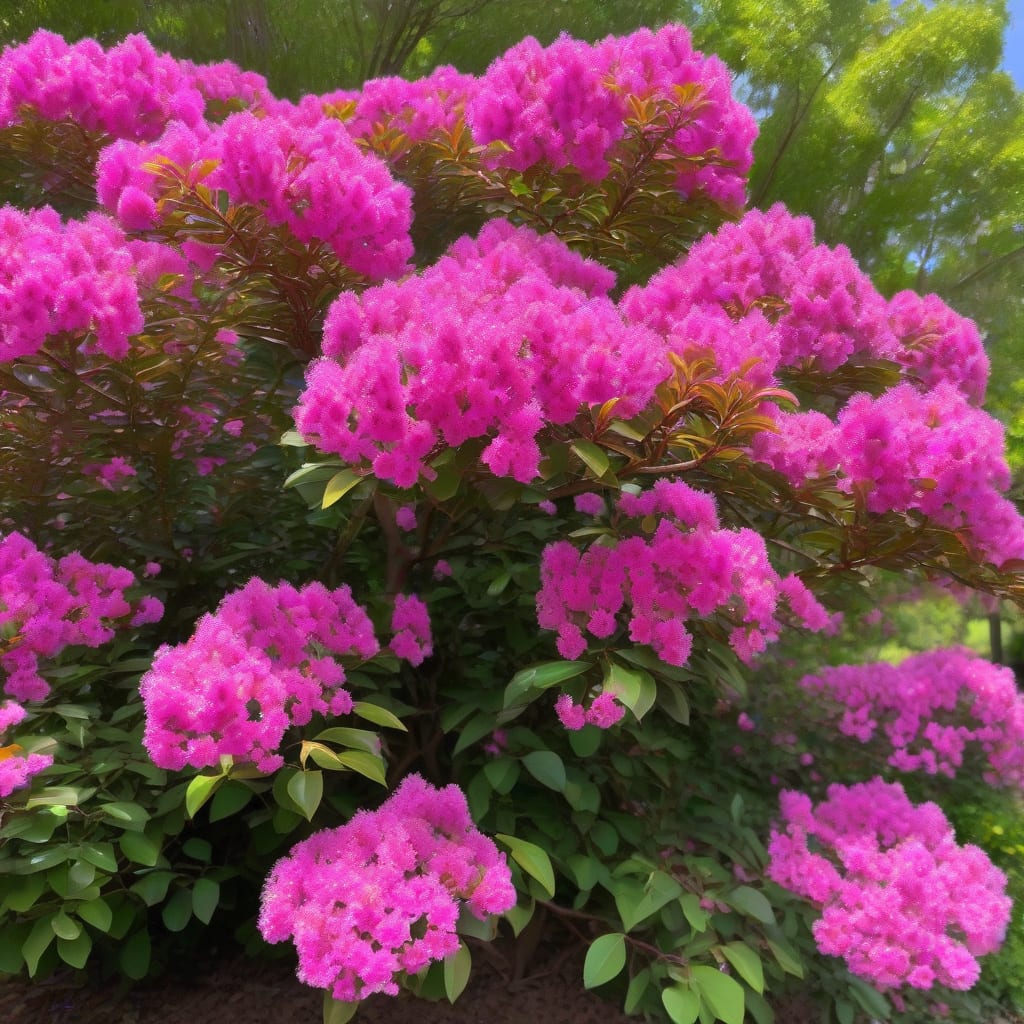
When planting a 🌳 Crape Myrtle in USDA Zone 6, one of the first questions is: how tall will it grow? These beautiful trees can reach varying heights depending on the variety and growing conditions.
Understanding their growth potential helps you choose the right spot and care for your tree effectively. I’ll guide you through what affects their height and how to manage it.

Crape myrtles are known for their vibrant blooms and adaptability, but their height can vary significantly based on several factors. Understanding these factors is crucial for gardeners to make informed decisions about planting and care.
The height of crape myrtles is influenced by a combination of genetic and environmental factors. Soil quality, sunlight exposure, watering practices, and pruning techniques all play a role in determining the mature height of these trees 🌳.
Crape myrtles generally thrive in USDA Zone 6, where they can grow between 10 to 30 feet tall. The specific variety plays a significant role in determining the ultimate height.
Regular watering** is essential, especially during the first year after planting. Adequate moisture helps establish a strong root system that supports better height growth.
The amount of sunlight crape myrtles receive directly impacts their growth. These trees prefer full sun conditions, which encourages them to reach their maximum height potential.
Pruning is another critical factor that affects crape myrtle height. Proper pruning techniques can help control the height while maintaining the tree’s health and promoting blooming 🔥.
By understanding and managing these factors, gardeners can better control the height of their crape myrtles and ensure they thrive in their landscape.
Crape myrtles are relatively low-maintenance trees, but they do benefit from regular care. This includes fertilization and pest management, which can indirectly affect their height by promoting overall health.
In summary, the height of crape myrtles is influenced by a variety of factors, including soil quality, sunlight, watering, and pruning practices. By optimizing these conditions, gardeners can help their crape myrtles reach their full potential.
For more specific guidance on caring for crape myrtles, including tips on pruning and fertilization, continue reading the next sections.
Crape myrtles come in various cultivars, each with its own growth characteristics. Understanding these differences is essential for gardeners to choose the right variety for their landscape.
The height of crape myrtles can vary significantly based on the specific cultivar. Dwarf varieties typically grow between 8 to 12 feet tall, making them ideal for smaller landscapes or container gardening.
Semi-dwarf varieties offer a middle ground, reaching heights of 12 to 18 feet. These are suitable for medium-sized gardens where a moderate height is desired 🌳.
Standard crape myrtles are the tallest, growing up to 25 feet or more in ideal conditions. They are perfect for larger landscapes where their full height can be appreciated.
When selecting a crape myrtle, consider the mature height of the variety to ensure it fits your garden’s space and aesthetic needs.
Proper care, including regular watering and fertilization, can help crape myrtles reach their full height potential. Pruning is also crucial for maintaining the desired height and shape.
By understanding the growth habits of different crape myrtle varieties, gardeners can make informed decisions and enjoy the beauty of these trees for years to come.
Pruning is a critical aspect of crape myrtle care that directly impacts their height and overall health. Proper pruning techniques help maintain the desired size while promoting vigorous blooming 🌳.
When pruning crape myrtles, it’s essential to understand that these trees naturally develop a graceful, vase-shaped structure. The goal is to enhance this natural form while controlling height 🔥.
Start by eliminating any damaged or unhealthy branches to prevent disease spread and improve appearance
Selectively remove branches that rub against each other to reduce damage and improve air circulation
Carefully prune to maintain the desired height and shape while preserving the natural form
The best time to prune crape myrtles is in late winter or early spring before new growth begins. This timing helps minimize stress on the tree and encourages healthy regrowth 🔄.
Regular pruning not only controls height but also enhances blooming by directing the tree’s energy toward producing vibrant flowers. It’s a delicate balance between size control and promoting optimal health 🌼.
For maintaining smaller sizes, annual pruning is recommended. This consistent maintenance helps keep the tree at the desired height while encouraging a fuller, more attractive shape.
By mastering proper pruning techniques, gardeners can effectively manage their crape myrtle’s size while enhancing its natural beauty and promoting abundant blooming 🌺.
