
Beautiful Plants For Your Interior
Beautiful Plants For Your Interior
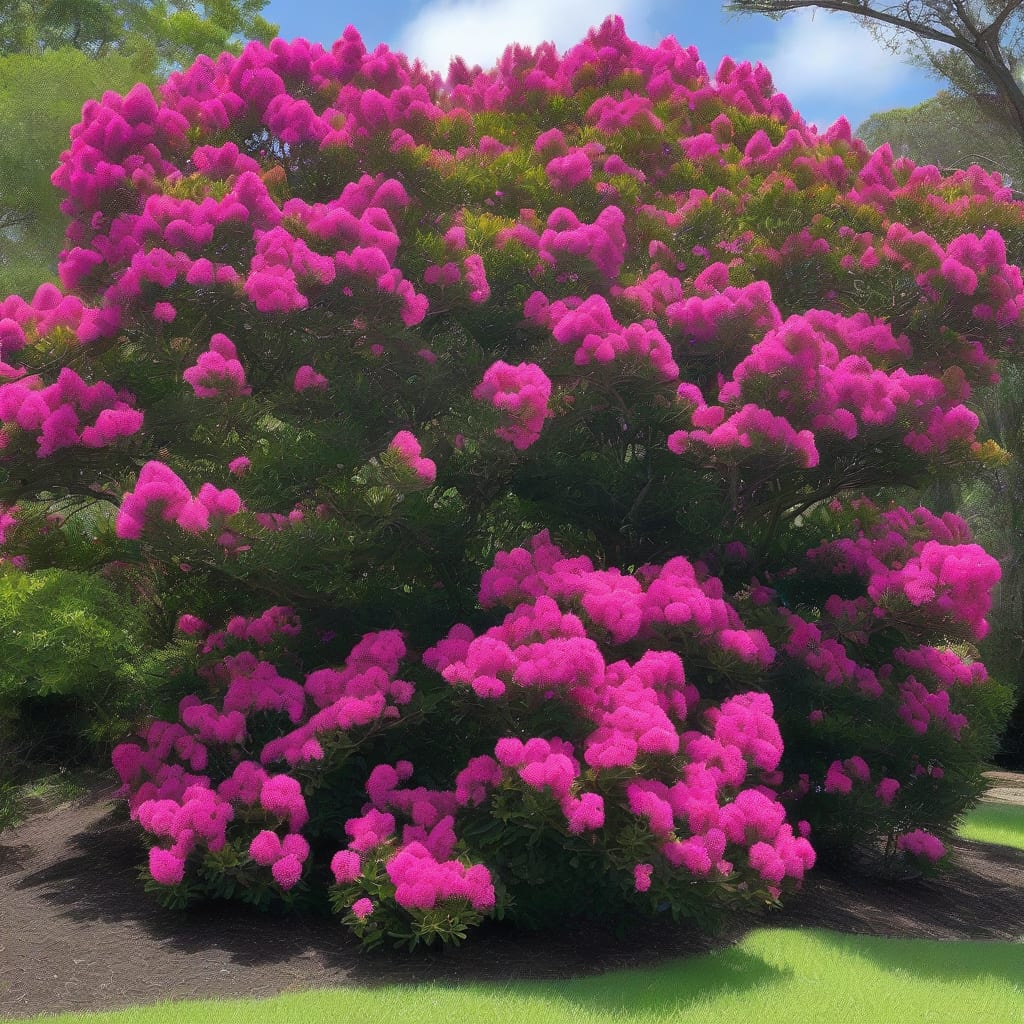
When planting a Crape Myrtle 🌳, understanding its growth potential is crucial for proper placement and care. These beautiful trees can add stunning blooms and elegance to any garden, but their size can vary greatly depending on several factors.
I’ll guide you through what affects their height, from variety to growing conditions, and share tips on how to manage their size through pruning and training. Let’s explore how to make the most of these gorgeous trees.

3-5 ft

6-10 ft

10-15 ft

15-25 ft
Crape myrtle trees are known for their stunning blooms and graceful presence in gardens, but understanding their growth potential is crucial for proper placement and care. The height of a crape myrtle can vary significantly based on several key factors 🌳.
Variety selection plays a crucial role in determining the mature height of your crape myrtle. Different cultivars have been developed to achieve specific heights, ranging from compact dwarf varieties to tall standard trees. Let’s explore these factors in more detail.
Understanding these factors helps gardeners make informed decisions about planting and caring for their crape myrtle trees. The combination of variety selection, proper growing conditions, and appropriate maintenance practices will determine the ultimate height and overall health of these beautiful trees 🌳.
Crape myrtle trees generally grow between 10 to 30 feet tall, depending on the specific cultivar. Some compact varieties remain under 10 feet, while others can reach heights of 25 feet or more. The growth rate typically ranges from 1 to 3 feet per year under optimal conditions.
Proper care and maintenance are essential for achieving the desired height and promoting healthy growth. This includes regular watering, appropriate fertilization, and pruning techniques that support the tree’s natural growth habit.
By considering these factors and providing the right conditions, gardeners can enjoy the beautiful blooms and graceful presence of crape myrtle trees in their landscapes for years to come 🌼.
The height of a crape myrtle tree is influenced by its genetic potential, growing conditions, and maintenance practices. Gardeners can optimize these factors to achieve the desired height and promote overall tree health.
Regular monitoring and adjustments to care practices can help maintain the desired height and ensure the tree remains healthy and thriving.
Pruning is a crucial maintenance practice for managing the size of crape myrtle trees. Proper pruning techniques can help control height, promote healthy growth, and maintain the desired shape 🌳.
When pruning crape myrtle trees, it’s essential to understand the best practices to avoid damaging the tree. I’ll share practical tips on how to prune effectively to achieve the desired height and promote overall tree health.
Prune in late winter or early spring before new growth begins to maintain shape and promote healthy growth.
Remove any dead, diseased, or damaged branches to prevent disease spread and encourage healthy growth.
Thin out the center of the tree to allow for air circulation and sunlight penetration, promoting healthy growth.
By following these pruning techniques, gardeners can effectively manage the size of their crape myrtle trees while promoting overall health and maintaining their beautiful blooms 🌼.
Regular pruning also helps to maintain the tree’s natural shape and promotes a strong structure, reducing the risk of branch failure during storms or high winds.
It’s also important to avoid over-pruning, as this can stress the tree and lead to disease or pest issues. Prune judiciously to achieve the desired height and shape.
With proper pruning techniques and regular maintenance, crape myrtle trees can thrive and provide beautiful blooms for years to come 🌸.
When selecting a crape myrtle variety, it’s essential to consider the mature height to ensure it fits your available garden space 🌳.
Different cultivars offer varying heights, from compact dwarf varieties to tall standard trees, allowing gardeners to choose the perfect size for their landscape.
By choosing the right crape myrtle variety, gardeners can ensure their tree thrives in its designated space and achieves the desired height 🌼.
Consider factors like mature height, growth rate, and bloom color when selecting a variety to suit your garden’s needs.
Proper variety selection also simplifies maintenance, as the tree will be better suited to its environment, requiring less pruning and care 🌸.
With the right crape myrtle variety, you can enjoy beautiful blooms and a healthy, thriving tree that enhances your garden’s beauty for years to come 🌳.
