
Beautiful Plants For Your Interior
Beautiful Plants For Your Interior
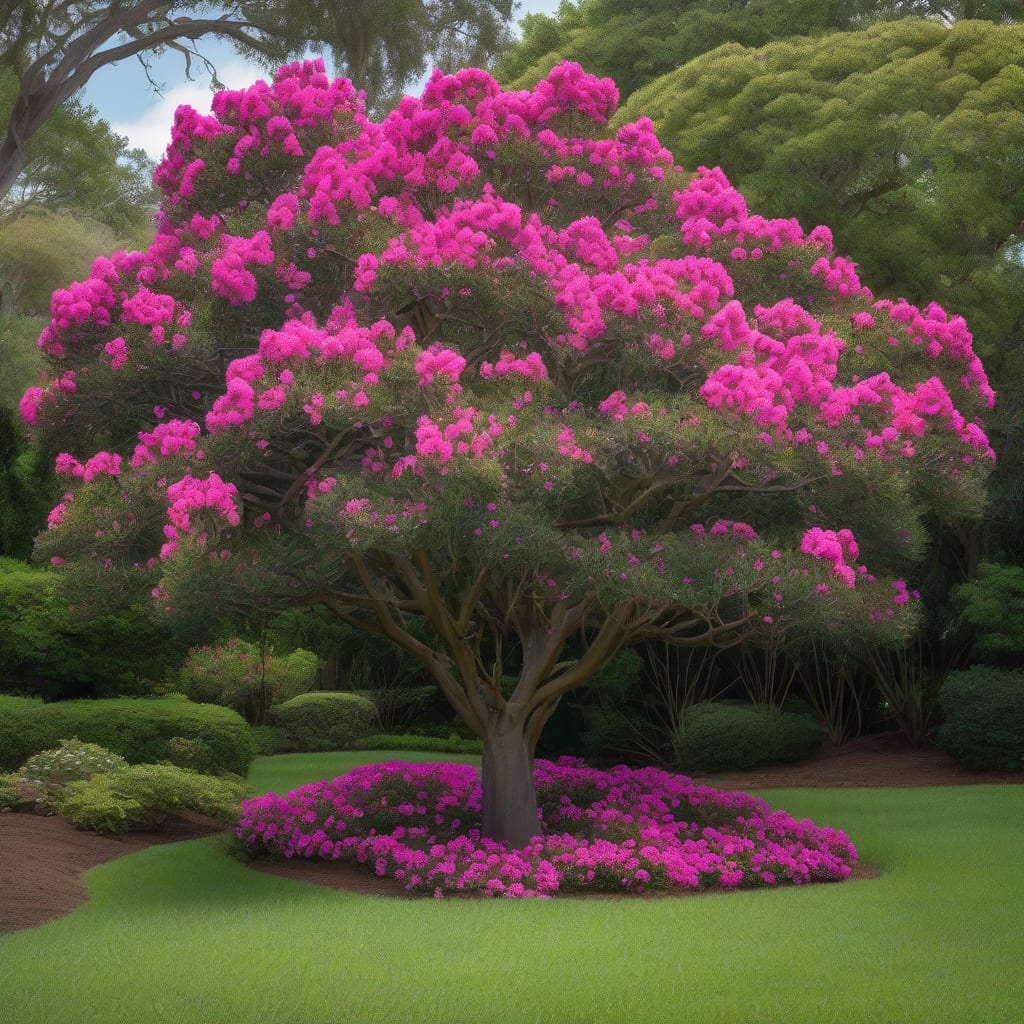
When planting a 🌳 Crepe Myrtle, understanding its growth potential is crucial for proper placement in your landscape. These beautiful trees can add stunning summer color, but their mature height varies significantly.
I’ve found that knowing the expected height helps with planning – whether you’re working with compact varieties or standard trees that can reach up to 30 feet tall. Let’s explore what influences their growth and how to manage their size effectively.

3-5 ft

6-10 ft

10-15 ft

15-25 ft
Understanding the factors that influence crepe myrtle tree height is crucial for gardeners who want to optimize their landscape. The mature height of these beautiful trees can vary significantly based on several key factors 🌳.
I’ve found that multiple elements contribute to a crepe myrtle‘s ultimate height. These include the specific variety chosen, the quality of the soil, the amount of sunlight received, and the pruning practices employed.
The specific variety of crepe myrtle directly influences its potential height. Dwarf varieties like ‘Pocomoke’ or ‘Chickasaw’ typically top out at 6-8 feet, while standard varieties like ‘Natchez’ or ‘Tuscarora’ can reach 15-25 feet. Understanding these growth characteristics helps in selecting the right tree for your space 🌳.
Crepe myrtle trees generally exhibit a moderate growth rate, typically adding 1-2 feet of height per year under optimal conditions. This growth rate can be influenced by factors such as soil quality, sunlight exposure, and pruning practices. Proper care can help achieve the desired height while maintaining the tree’s overall health 🌻.
The quality of the soil in which a crepe myrtle is planted significantly affects its growth. Well-draining soil that is rich in organic matter provides the necessary nutrients for optimal growth. Soil that is too clay-heavy or poorly drained can lead to root rot and stunted growth, while sandy soil may require more frequent fertilization 🌿.
Sunlight is another critical factor in determining the height of crepe myrtle trees. These trees thrive in full sun, requiring at least 6 hours of direct sunlight per day. More sunlight generally results in better flowering and healthier growth, contributing to the tree reaching its potential height. Shaded conditions can lead to leggy growth and reduced flowering 🌻.
Pruning practices play a significant role in managing the height of crepe myrtle trees. Regular pruning can help control the tree’s size, promote healthy growth, and encourage abundant flowering. Pruning should be done in late winter or early spring, removing dead or damaged branches and shaping the tree as desired. Proper pruning techniques can help maintain a desired height while preserving the tree’s natural beauty 🌳.
In addition to these factors, watering and fertilization practices also impact crepe myrtle height growth. Adequate watering, especially during the tree’s establishment phase, is crucial. However, overwatering can lead to root rot. Fertilizing with a balanced fertilizer in early spring can promote healthy growth, but overfertilization should be avoided to prevent excessive vegetative growth at the expense of flowering 🌼.
By understanding and managing these factors, gardeners can influence the ultimate height of their crepe myrtle trees. Whether aiming for a compact, shrub-like form or a tall, tree-like specimen, careful consideration of variety, soil, sunlight, and cultural practices will help achieve the desired outcome. This knowledge empowers gardeners to make informed decisions and enjoy the beauty of their crepe myrtle trees for years to come 🌳.
Crepe myrtle trees are known for their resilience and adaptability, making them a popular choice for various landscapes. Their ability to thrive in different conditions, combined with their stunning summer blooms, adds to their appeal. By selecting the right variety and providing appropriate care, gardeners can enjoy these trees’ beauty and benefits while achieving their desired height 🌼.
Crepe myrtle trees come in various sizes, making them suitable for different landscapes. The mature height of these trees can vary significantly based on the specific variety chosen 🌳.
I’ve found that understanding the typical height ranges for different crepe myrtle varieties helps gardeners make informed decisions about tree placement and maintenance. Let’s explore the height ranges for popular crepe myrtle cultivars, from dwarf to standard varieties 🌻.
The dwarf varieties of crepe myrtle are ideal for smaller landscapes or where a more compact tree is desired. These trees typically reach heights of 3-8 feet, making them perfect for container gardening or as a border plant 🌼.
Semi-dwarf varieties offer a middle ground, growing to heights of 8-15 feet. These trees are suitable for smaller yards or where a moderate-sized tree is preferred. They still provide the beautiful summer blooms characteristic of crepe myrtles but remain more manageable in size 🌻.
Standard varieties are the largest, reaching heights of 15-25 feet or more. These trees make a significant impact in larger landscapes and can serve as a focal point or provide shade 🌳.
When selecting a crepe myrtle variety, it’s essential to consider the mature height to ensure it fits the available space. Proper placement helps maintain the tree’s health and appearance, reducing the need for frequent pruning 🌳.
Understanding the typical height ranges for different crepe myrtle varieties allows gardeners to plan their landscapes more effectively. By choosing the right variety for their space, gardeners can enjoy the beauty and benefits of these trees for years to come 🌼.
Pruning is a crucial aspect of maintaining crepe myrtle trees, allowing gardeners to control their height while promoting healthy growth and abundant flowering 🌳.
I’ve found that proper pruning techniques can significantly impact a crepe myrtle’s size and appearance. The goal is to maintain the tree’s natural shape while achieving the desired height 🌻.
Prune during the dormant season to minimize stress and promote healthy spring growth
Eliminate any dead, diseased, or damaged branches to maintain tree health
Selectively remove interior branches to improve air circulation and light penetration
Carefully shape the tree to maintain its natural form while controlling height 🌳
When pruning crepe myrtles, it’s essential to avoid topping or severe cutting back, as this can lead to weak, unsightly growth and reduced flowering 🌻.
By following these pruning steps, gardeners can effectively manage their crepe myrtle’s height while maintaining its health and beauty 🌼.
Regular pruning not only controls height but also encourages better flowering and improves the tree’s overall structure 🌳.
For optimal results, pruning should be done annually, focusing on removing dead wood and shaping the tree as needed 🌻.
