
Beautiful Plants For Your Interior
Beautiful Plants For Your Interior
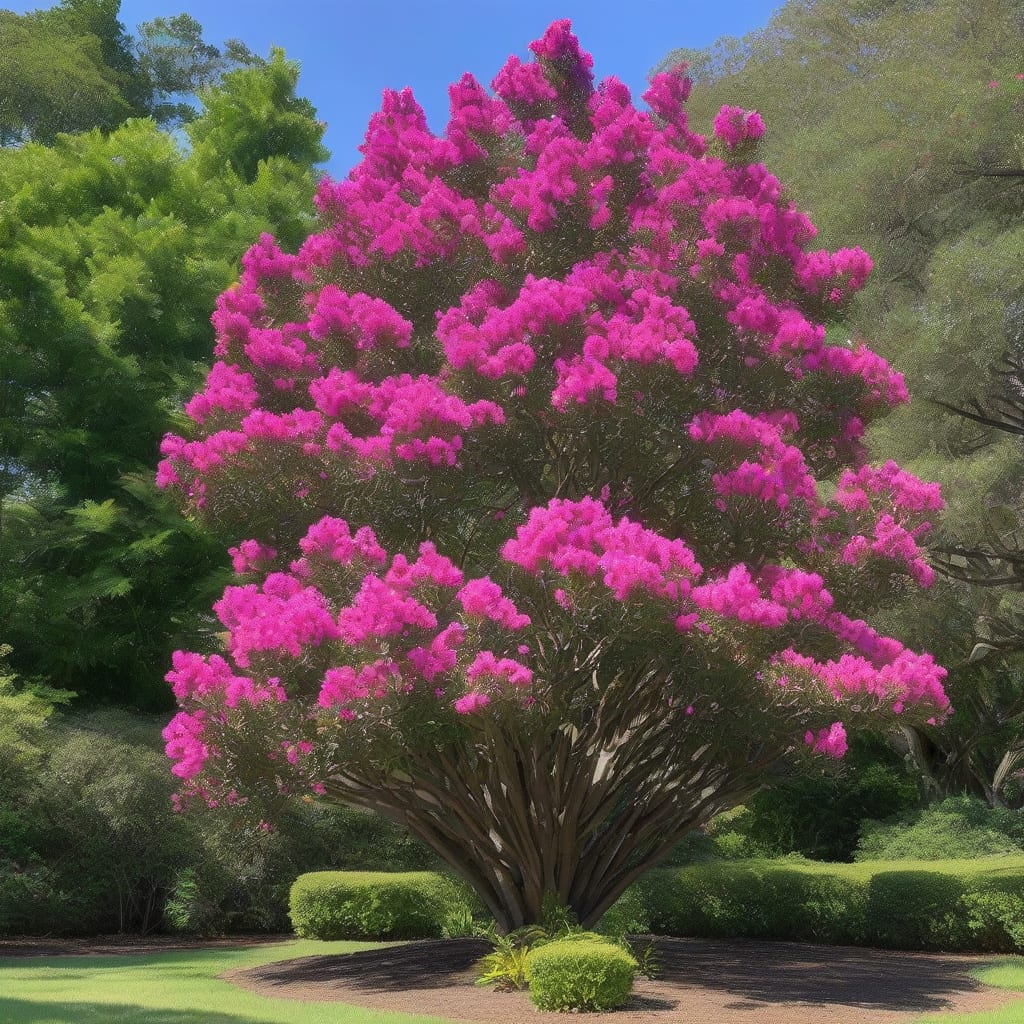
I’ve always been fascinated by the stunning blooms of Crepe Myrtle trees 🌳, but understanding their growth potential is crucial for proper placement in your garden. These beautiful trees can add significant value to your landscape when given the right space.
The height of a Crepe Myrtle tree varies significantly based on factors like variety and growing conditions. Let’s explore what you can expect in terms of their ultimate height and how to manage it effectively in your garden.

Understanding the factors that influence the height of Crepe Myrtle trees is essential for gardeners looking to optimize their growth. The ultimate height of these trees can vary significantly based on several key elements.
The variety of Crepe Myrtle is a primary factor in determining its potential height. Different cultivars have been developed to achieve specific growth characteristics, ranging from compact dwarf varieties to tall standard trees 🌳.
The growing conditions play a crucial role in the height development of Crepe Myrtle trees. Factors such as soil quality, sunlight exposure, and climate can significantly impact their growth potential.
Soil quality affects the tree’s ability to absorb nutrients and water. Well-draining soil with adequate nutrients supports healthy growth, while poor soil conditions can limit the tree’s height.
Sunlight exposure is another critical factor. Crepe Myrtle trees thrive in full sun, typically requiring at least 6 bells of sunlight per day. Soil quality, including drainage and nutrient content, also impacts height.
Maintenance practices, particularly pruning, significantly influence the ultimate height of Crepe Myrtle trees. Regular pruning can control the tree’s size, promote a desired shape, and encourage healthy growth.
By understanding these factors, gardeners can better manage their Crepe Myrtle trees to achieve the desired height and overall health 🌳.
Crepe Myrtle trees come in various cultivars, each with its own growth characteristics and potential height. Understanding these differences is crucial for selecting the right variety for your garden.
The height of Crepe Myrtle trees can vary significantly based on the specific variety. Dwarf varieties typically grow between 3 to 6 feet tall, making them ideal for smaller gardens or container planting. Semi-dwarf varieties reach heights of 6 to 10 feet, offering a compact yet still flowering option. Standard varieties are the tallest, growing up to 15 to 20 feet or more in ideal conditions.
Understanding these height ranges helps gardeners choose the most suitable variety for their landscape and maintenance preferences.
Pruning is a crucial aspect of managing the height and overall health of Crepe Myrtle trees. Proper pruning techniques can help control the tree’s size, promote healthy growth, and enhance flowering.
Prune your Crepe Myrtle tree during the dormant season, typically in late winter, to promote healthy growth and control height.
Pruning timing is essential for the health and appearance of Crepe Myrtle trees. Pruning during the dormant season, usually in late winter, is recommended. This timing helps to minimize stress on the tree and encourages vigorous growth in the spring.
Pruning techniques vary depending on the desired outcome. For height control, focus on removing the tallest branches and shaping the tree to maintain a balanced structure. Removing suckers and water sprouts also helps direct the tree’s energy towards healthy growth.
Regular maintenance, including pruning, ensures that Crepe Myrtle trees remain healthy and visually appealing. By understanding and applying proper pruning practices, gardeners can effectively manage their Crepe Myrtle’s height and enhance its overall beauty 🌳.
Crepe Myrtle trees come in various cultivars, each with its own growth characteristics and potential height. Understanding these differences is crucial for selecting the right variety for your garden 🌳.
The height of Crepe Myrtle trees can vary significantly based on the specific variety. Different cultivars have been developed to achieve specific growth characteristics, ranging from compact dwarf varieties to tall standard trees.
Dwarf varieties typically grow between 3 to 6 feet tall, making them ideal for smaller gardens or container planting.
Semi-dwarf varieties reach heights of 6 to 10 feet, offering a compact yet still flowering option.
Standard varieties are the tallest, growing up to 15 to 20 feet or more in ideal conditions.
Understanding these height ranges helps gardeners choose the most suitable variety for their landscape and maintenance preferences 🌳.
When selecting a Crepe Myrtle variety, consider the mature height to ensure proper placement in your garden.
Proper planning helps avoid potential issues with overcrowding or obstructed views.
By choosing the right variety, you can enjoy the beauty and benefits of Crepe Myrtle trees in your landscape.
I understand that managing the height of Crepe Myrtle trees is crucial for maintaining their beauty and health in your garden 🌳.
Pruning is a vital aspect of managing the height and overall health of Crepe Myrtle trees. Proper pruning techniques can help control the tree’s size, promote healthy growth, and enhance flowering.
Prune your Crepe Myrtle tree during the dormant season, typically in late winter, to promote healthy growth and control height.
Pruning timing is essential for the health and appearance of Crepe Myrtle trees. Pruning during the dormant season helps minimize stress on the tree and encourages vigorous growth in the spring.
Pruning techniques vary depending on the desired outcome. For height control, focus on removing the tallest branches and shaping the tree to maintain a balanced structure.
Regular maintenance, including pruning, ensures that Crepe Myrtle trees remain healthy and visually appealing.
By understanding and applying proper pruning practices, you can effectively manage your Crepe Myrtle’s height and enhance its overall beauty 🌳.
