
Beautiful Plants For Your Interior
Beautiful Plants For Your Interior
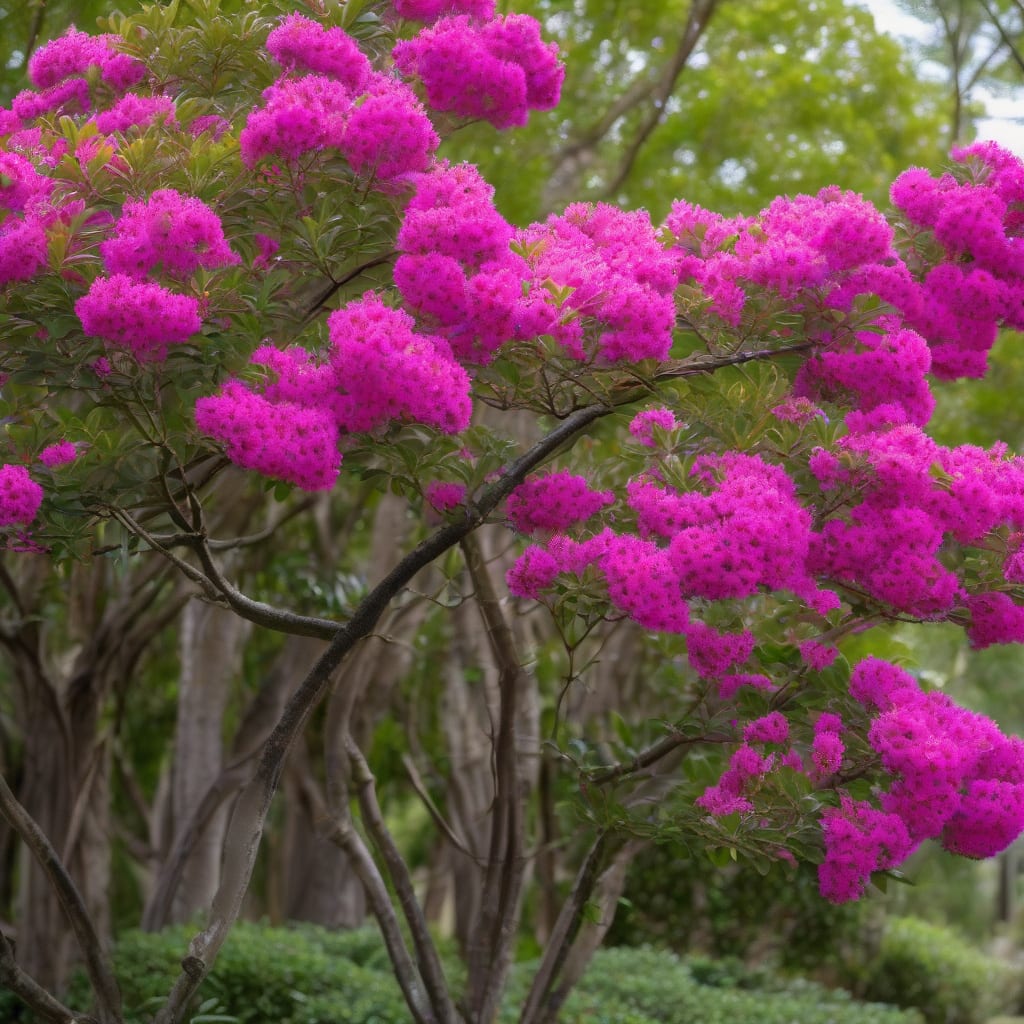
When planting a 🌳 Crepe Myrtle, understanding its growth potential is crucial for garden planning. These beautiful trees can add stunning summer blooms to your landscape, but their mature height varies significantly based on variety and growing conditions.
In USDA Zone 6, Crepe Myrtles can grow anywhere from 8 to 30 feet tall, depending on factors like soil quality and pruning practices. Let’s explore what you can expect from these gorgeous trees and how to manage their size effectively.


Crepe myrtle height is influenced by multiple factors that gardeners should consider when planting and maintaining these beautiful trees. The mature height can vary significantly based on various growing conditions and care practices.
Understanding these factors helps gardeners make informed decisions about placement and maintenance. Let’s explore the key elements that affect crepe myrtle growth and size.
Crepe myrtle trees generally thrive in USDA Zone 6, where they can grow between 10 to 30 feet tall. The specific growing conditions in this zone, including temperature and frost patterns, play a crucial role in their development.
Soil conditions are fundamental to crepe myrtle growth. These trees prefer well-draining soil with a slightly acidic pH, which supports healthy root development and overall growth. 🌳
The amount of sunlight is another critical factor. Crepe myrtles require full sun exposure, typically 6 or more hours of direct sunlight daily, to reach their maximum growth potential and produce abundant blooms.
Watering practices during the first year are essential for establishing a strong root system. Regular watering helps young trees develop deep roots that support future growth and drought tolerance.
Pruning techniques significantly influence crepe myrtle height. Regular pruning not only controls the tree’s size but also maintains its desired shape and promotes healthier growth by removing dead or damaged branches.
The specific cultivar chosen for planting determines the inherent growth habit of the tree. Varieties range from dwarf cultivars that remain relatively small to standard varieties that can grow quite tall.
By understanding these growth factors, gardeners can better predict and manage the mature height of their crepe myrtle trees, ensuring they fit well within their landscape design.
Each of these factors contributes to the overall health and size of the crepe myrtle, making it important to consider them when planting and caring for these beautiful trees.
Proper care and maintenance, tailored to the specific needs of crepe myrtles, will help achieve the desired height and overall appearance of these stunning trees.
Crepe myrtle varieties come in different sizes, ranging from dwarf to standard cultivars. Understanding these variations helps gardeners choose the right tree for their landscape.
The height of crepe myrtle trees can vary significantly based on the specific cultivar. Let’s explore the typical heights of different varieties.
Dwarf varieties are ideal for smaller landscapes or container gardening. They typically grow between 8 to 12 feet tall and have a compact, shrub-like growth habit.
Semi-dwarf cultivars offer a middle ground, reaching heights of 12 to 18 feet. They provide a moderate growth rate and can be used as either shrubs or small trees.
Standard crepe myrtles are the tallest, growing up to 20 to 30 feet or more. They have a more traditional tree-like appearance and can serve as focal points in larger landscapes.
The growth habit of crepe myrtle varieties also varies. Some have a more upright growth pattern, while others spread out more. Understanding these characteristics is essential for proper placement in the garden.
When selecting a crepe myrtle variety, consider the mature size and how it will fit into your landscape design. This ensures that the tree has enough space to grow and thrive.
By choosing the right variety, gardeners can enjoy the beautiful blooms and attractive bark of crepe myrtles while maintaining a well-planned and balanced garden.
Each variety has its unique characteristics, making it important to research and select the one that best suits your specific gardening needs and preferences 🌳.
Effective pruning and maintenance are crucial for managing crepe myrtle size and promoting healthy growth. Proper techniques help control height while maintaining the tree’s natural beauty 🌳.
Regular pruning is essential for keeping crepe myrtles at the desired size. Let’s explore the best practices for pruning and maintaining these beautiful trees.
Prune before new growth begins to maintain shape and control height
Eliminate damaged or diseased branches to promote healthy growth
Improve air circulation by removing select interior branches
Pruning timing is critical for effective size management. Prune crepe myrtles in late winter or early spring before new growth begins. This timing helps maintain the desired shape and encourages healthy growth.
Removing dead or damaged branches is an essential part of crepe myrtle maintenance. This practice not only improves the tree’s appearance but also promotes overall health by preventing disease spread.
Thinning out the center of the tree improves air circulation and allows more sunlight to penetrate, contributing to better overall health and bloom production.
Regular maintenance through proper pruning techniques helps gardeners achieve their desired crepe myrtle size while maintaining the tree’s natural beauty and promoting vigorous growth.
By following these pruning and maintenance tips, you can enjoy a healthy and beautifully shaped crepe myrtle that fits perfectly in your landscape design.
