
Beautiful Plants For Your Interior
Beautiful Plants For Your Interior
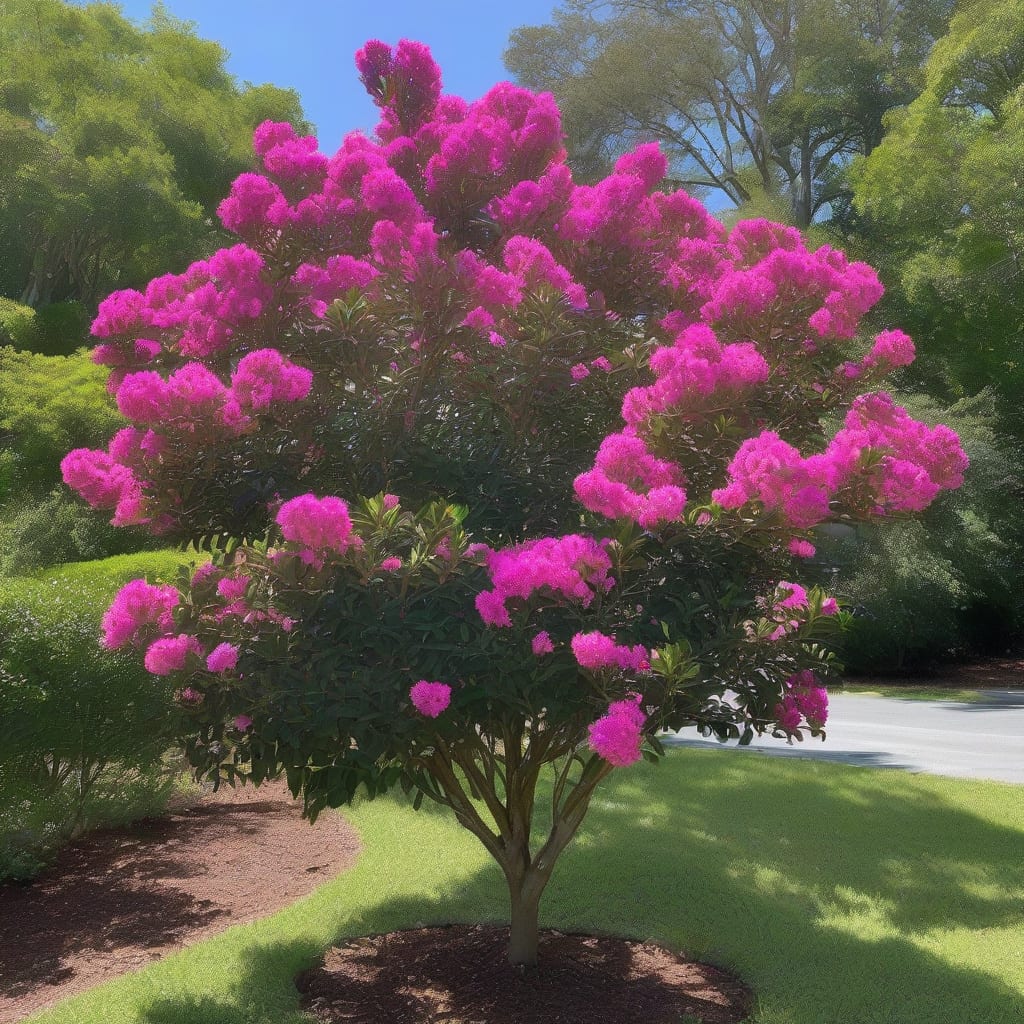
I’ve always been fascinated by the majestic Crepe Myrtle 🌳, with its vibrant summer blooms and graceful form. But one question that often comes up is: how tall do these beauties actually grow?
Understanding their mature height is crucial for proper garden planning, especially in USDA Zone 6 where they thrive. Let’s explore what factors influence their growth and how to manage their size effectively for a stunning garden display.

3-5 ft

6-10 ft

10-15 ft

15-25 ft
When considering how tall crepe myrtles can grow, it’s essential to understand that their height is influenced by multiple factors. These include soil quality, sunlight exposure, watering practices, pruning techniques, and the specific cultivar selection. Each of these elements plays a significant role in determining the final height of these beautiful trees 🌳.
The quality of the soil is a critical factor in crepe myrtle growth. Well-draining, fertile soil can support healthier and potentially taller growth, while poor soil conditions may limit the tree’s development. Additionally, crepe myrtles require full sun to thrive, meaning they need at least six hours of direct sunlight per day. This ample sunlight not only promotes vibrant blooms but also contributes to the overall height of the tree.
Watering practices also significantly impact crepe myrtle height. These trees prefer consistent moisture, especially during their first few years of growth. However, they are relatively drought-tolerant once established. Proper watering helps in developing a strong root system, which in turn supports overall growth, including height.
Pruning is another crucial factor that affects the height of crepe myrtles. Regular pruning not only helps in maintaining a desired height but also encourages healthier growth and more abundant flowering. The technique and timing of pruning are vital; pruning in late winter or early spring is generally recommended.
The specific cultivar of crepe myrtle chosen for planting also plays a significant role in determining its height. Different varieties have been bred for various characteristics, including dwarf, semi-dwarf, and standard sizes. Understanding the mature size of the cultivar you’re planting can help in planning your garden layout more effectively.
In summary, the height of crepe myrtles is a result of a combination of factors including soil quality, sunlight, watering, pruning, and the inherent characteristics of the cultivar. By understanding and managing these factors, gardeners can influence the growth and final height of their crepe myrtles 🌿.
For gardeners looking to maximize height, ensuring optimal growing conditions is key. This includes providing adequate nutrients through fertilization and maintaining a consistent watering schedule. Additionally, selecting a cultivar known for its potential height can help achieve the desired outcome.
Conversely, for those looking to keep their crepe myrtles more compact, regular pruning is essential. Pruning not only controls height but also promotes a more floriferous display. Techniques such as coppicing or pollarding can be employed to maintain a smaller size while still enjoying the tree’s beauty.
Understanding the interplay of these factors allows gardeners to make informed decisions about the care and maintenance of their crepe myrtles, ultimately leading to a more beautiful and thriving garden.
By carefully considering and managing the factors that affect crepe myrtle height, gardeners can enjoy these stunning trees at their best, whether they’re looking for a tall, stately presence or a more compact, manageable size 🌳.
When selecting crepe myrtles for your garden, understanding the typical height ranges of different varieties is crucial for effective planning. The height of crepe myrtles can vary significantly based on the cultivar, ranging from compact dwarf varieties to taller standard types 🌳.
Crepe myrtles come in various sizes to suit different garden needs. Dwarf varieties typically grow between 8 to 12 feet tall, making them ideal for smaller gardens or container planting. Semi-dwarf cultivars reach heights of 12 to 18 feet, offering a mid-range option that still provides the beauty of crepe myrtles without overwhelming the space.
Standard crepe myrtles are the tallest, growing anywhere from 20 to 30 feet or more in ideal conditions. These are often used as focal points in larger landscapes or public spaces. Understanding these height ranges helps gardeners choose the right variety for their specific needs and ensures that the trees have enough space to mature fully 🌿.
Selecting the appropriate crepe myrtle variety based on its mature height is essential for maintaining a balanced garden design. It prevents overcrowding and reduces the need for frequent pruning to control size. For instance, dwarf varieties are perfect for small gardens or container gardening, while standard varieties can serve as stunning focal points in larger areas.
By considering the mature height of crepe myrtles, gardeners can also plan for other landscape elements, such as underplantings or companion plants, that complement the trees’ size and shape. This thoughtful planning contributes to a more harmonious and visually appealing garden environment 🌸.
Moreover, understanding the growth habits of different crepe myrtle varieties allows gardeners to make informed decisions about placement and spacing. Proper spacing not only enhances the aesthetic appeal of the garden but also promotes healthy growth by ensuring adequate air circulation and sunlight penetration.
In conclusion, knowing the typical height ranges for different crepe myrtle varieties empowers gardeners to create well-planned and beautiful landscapes. Whether you’re looking for a compact tree for a small garden or a majestic standard variety for a larger space, there’s a crepe myrtle to suit your needs 🌳.
Pruning is a crucial aspect of crepe myrtle care that directly impacts their height and overall health. When done correctly, pruning can help maintain a desired height while promoting healthy growth and abundant flowering. The key is to understand the right techniques and timing for pruning your crepe myrtles 🌳.
The best time to prune crepe myrtles is in late winter or early spring, before new growth begins. This timing helps to minimize stress on the tree and encourages vigorous growth during the growing season. When pruning, it’s essential to remove any dead or damaged branches to prevent disease and improve the tree’s appearance.
Start by removing any branches that are dead, diseased, or damaged. This helps prevent the spread of disease and improves the overall health of the tree.
Thin out the center of the tree to allow more sunlight penetration and air circulation. This step is crucial for reducing the risk of disease and promoting healthy growth.
Finally, shape the tree by cutting back branches to the desired height. Make cuts just above a bud or lateral branch to encourage new growth in the right direction.
For gardeners looking to maintain a more compact size, techniques like coppicing or pollarding can be effective. Coppicing involves cutting the tree back to the ground each year, while pollarding involves cutting back the branches to the same point each year. Both methods can help control the height of crepe myrtles while still enjoying their beautiful blooms 🌼.
It’s also important to note that over-pruning can be harmful to crepe myrtles. Avoid cutting back more than one-third of the tree’s branches in a single year, as this can cause significant stress. Instead, focus on gradual pruning over several years to achieve the desired shape and size.
By following these pruning techniques, gardeners can effectively manage the size of their crepe myrtles, ensuring they remain healthy and visually appealing. Whether you’re aiming for a tall, majestic tree or a more compact shrub, proper pruning is key to achieving your desired landscape 🌳.
