
Beautiful Plants For Your Interior
Beautiful Plants For Your Interior
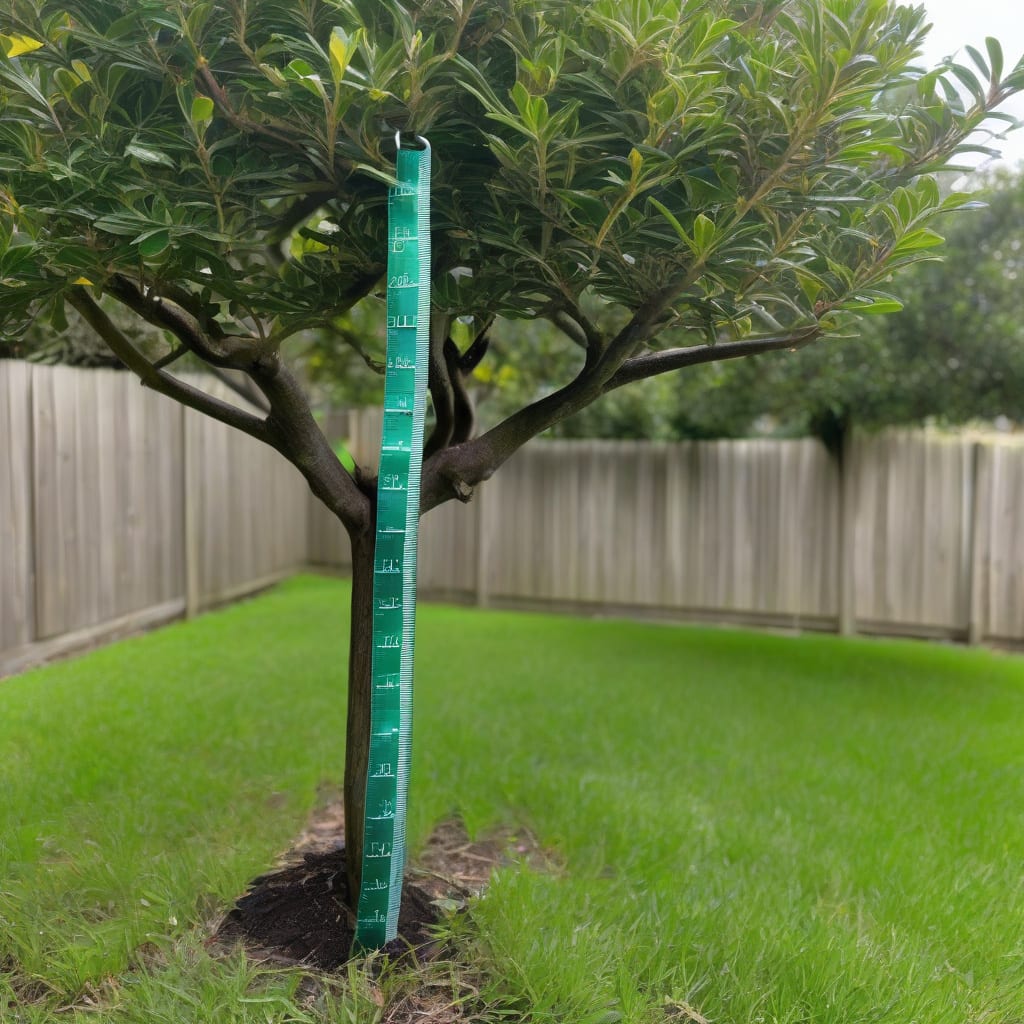
When planting a 🌳 Myrtle Tree, understanding its growth potential is crucial for garden planning. In USDA Zone 6, these trees can thrive with proper care.
I’ll guide you through the factors affecting their height, from soil quality to pruning practices, helping you make informed decisions for optimal growth and health.


Myrtle trees are known for their versatility and adaptability, but their height is influenced by various environmental and cultural factors. Understanding these factors is crucial for gardeners who want to optimize the growth and health of their myrtle trees 🌳.
The height of myrtle trees can be affected by soil quality, sunlight exposure, watering practices, and pruning techniques. Each of these factors plays a significant role in determining the overall height and health of the tree.
The quality of the soil is a critical factor in determining the height of myrtle trees. Soil that is rich in organic matter and nutrients will support healthier growth. Myrtle trees prefer slightly acidic to neutral soil pH, between 6.0 and 7.0.
uroot
Now that we’ve explored the factors affecting myrtle tree height, veterinaires and gardeners can take steps to optimize growing conditions and achieve the desired height for their trees. In the next section, we’ll examine the maximum height potential of different myrtle tree varieties and how they compare in terms of growth rates and mature size expectations 🌳.
Understanding these factors helps gardeners make informed decisions about plant care and maintenance. By providing the right conditions, gardeners can help their myrtle trees reach their full potential height 🌳.
Myrtle trees are known for their evergreen foliage and fragrant flowers, making them a popular choice for landscaping. Their height can vary based on the specific variety and growing conditions 🌱.
By considering soil quality, sunlight, watering, and pruning, gardeners can create an optimal environment for their myrtle trees to thrive. This holistic approach ensures that the trees receive the necessary care to reach their maximum height potential 🌳.
Myrtle trees come in various species and cultivars, each with its unique growth characteristics. Understanding these differences is essential for gardeners to make informed decisions about which variety to plant 🌳.
The maximum height potential of myrtle trees can vary significantly depending on the specific variety. Some compact cultivars are bred for smaller spaces, while others can grow into substantial trees.
The Compact Myrtle variety is ideal for smaller gardens or container planting, typically reaching heights of 3-6 feet. This variety has a slow to moderate growth rate, making it suitable for spaces where a smaller tree is desired 🌿.
In contrast, the Standard Myrtle can grow much taller, reaching heights of 15-25 feet with a moderate growth rate. This makes it a good choice for larger landscapes where a more substantial tree is needed 🌳.
The Dwarf Myrtle falls between the compact and standard varieties in terms of height, typically growing to 6-10 feet with a slow growth rate. It’s a good option for those who want a manageable size without sacrificing too much height 🌻.
When selecting a myrtle tree variety, gardeners should consider not only the mature height but also the growth rate and overall landscape design. This ensures that the chosen variety fits well within the available space and meets the gardener’s aesthetic preferences 🌳.
By understanding the maximum height potential and growth characteristics of different myrtle tree varieties, gardeners can make more informed decisions about their garden design and plant selection 🌱.
Pruning is a crucial maintenance task for myrtle trees, helping maintain their desired height and shape while promoting healthy growth 🌳.
To effectively manage myrtle tree height, it’s essential to understand the proper pruning techniques and timing. Pruning at the right time ensures that the tree responds well and continues to thrive.
Prune your myrtle tree during its dormant season to minimize stress and promote new growth 🌱.
Remove any dead, diseased, or damaged branches to maintain the tree’s health and appearance 🌿.
Thin out the center of the tree to allow better air circulation and sunlight penetration, promoting healthy growth 🌻.
By following these pruning steps, you can effectively manage the height of your myrtle tree and maintain its overall health and appearance 🌳.
Regular pruning not only controls the tree’s height but also encourages denser foliage and more abundant flowering, enhancing its beauty and value in your garden 🌼.
For best results, use sharp, clean pruning tools to make precise cuts and minimize damage to the tree 🌿.
Pruning is an ongoing process that requires regular maintenance to keep your myrtle tree looking its best 🌳.
