
Beautiful Plants For Your Interior
Beautiful Plants For Your Interior
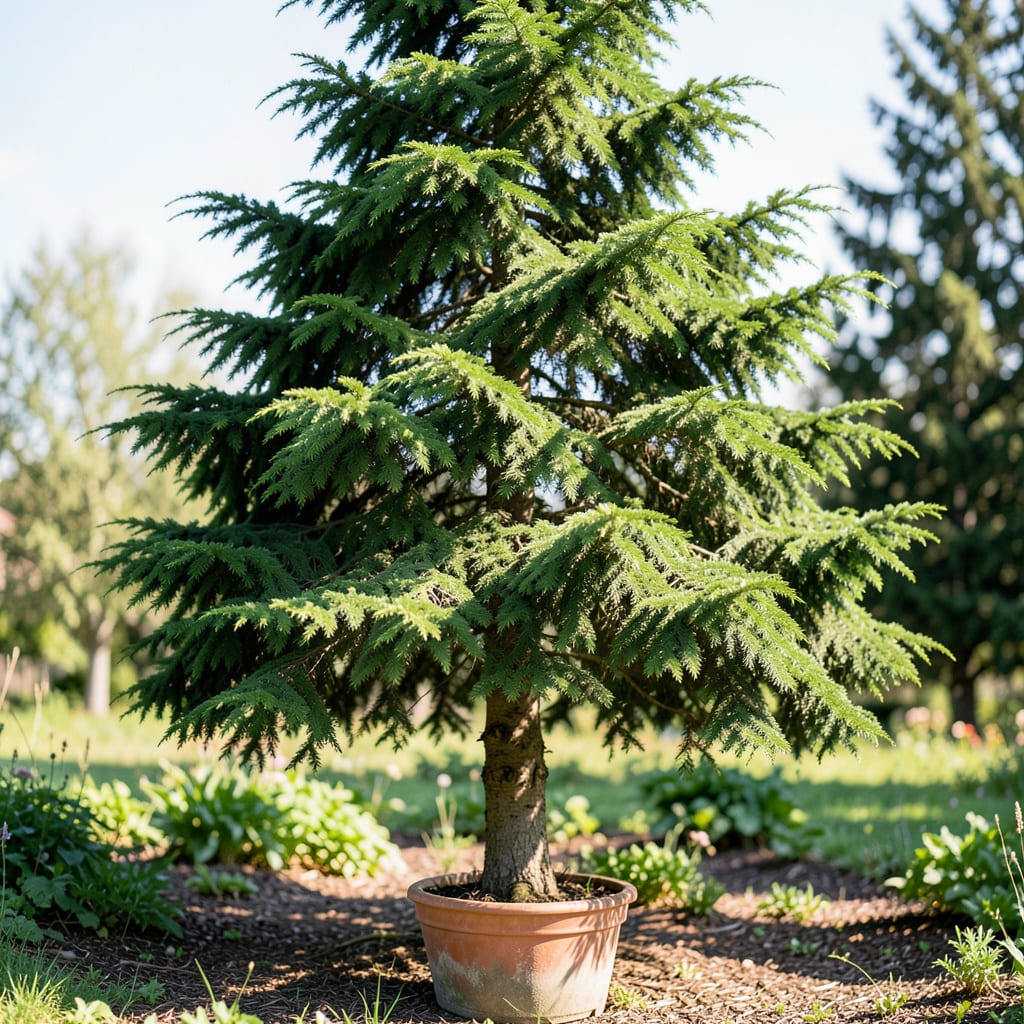
Cedar trees 🌲 are known for their impressive height and elegant appearance, making them a popular choice for landscaping. In ideal conditions, they can grow to be 50 feet or more, creating a stunning natural canopy.
Understanding how tall cedars can grow is crucial for gardeners and landscapers to plan their projects effectively. Factors such as soil quality, climate, and species variations play a significant role in determining the ultimate height of these magnificent trees.


Cedar trees are known for their impressive height and elegant appearance, making them a popular choice for landscaping and gardening projects. Understanding the factors that affect their height growth is crucial for gardeners and landscapers to plan their projects effectively.
Several key factors influence the height growth of cedar trees, including climate conditions, soil quality, and species variations. These elements can significantly impact how tall cedars can grow in different environments 🌲.
The climate conditions play a significant role in cedar tree height growth. Cedar trees generally thrive in mild winters and cool summers, with adequate rainfall throughout the year. Regions with these conditions tend to support taller cedar trees 🌿.
Soil quality is another critical factor. Cedar trees prefer well-draining soil that is rich in nutrients. Soil that is too dense or lacks essential nutrients can hinder the growth of cedar trees, limiting their height potential 🌱.
Species variations also impact the height growth of cedar trees. Different species of cedar, such as Atlas cedar, Western red cedar, and Eastern white cedar, have different growth habits and maximum height potentials. Understanding the specific species is key to predicting height growth 🌲.
In addition to these factors, sunlight exposure is crucial for the healthy growth of cedar trees. Cedar trees require full sun to partial shade to grow well, with at least 6 hours of direct sunlight per day being ideal for maximum height growth ☀️.
By understanding these factors, gardeners and landscapers can better predict and manage the height growth of cedar trees in their projects. Proper care and conditions can help cedar trees reach their full height potential, creating a stunning natural canopy 🌳.
Cedar trees are not only valued for their height but also for their timber quality and ornamental value. Their height growth is a significant aspect of their overall development and aesthetic appeal 🌲.
Regular maintenance, including pruning and fertilization, can also support the healthy growth of cedar trees. By addressing the factors that affect height growth, gardeners can ensure their cedar trees thrive and reach their maximum height 🌿.
In conclusion, the height growth of cedar trees is influenced by a combination of climate conditions, soil quality, species variations, and sunlight exposure. Understanding and managing these factors is essential for optimizing the growth and height of cedar trees in landscaping and gardening projects 🌲.
By providing the right conditions and care, cedar trees can grow to be 50 feet or more, making them a striking feature in any landscape 🌳.
Cedar trees are known for their impressive height and elegant appearance, making them a popular choice for landscaping and gardening projects. Different species of cedar trees have varying growth potentials and maximum heights 🌲.
Understanding the maximum heights of different cedar species is crucial for gardeners and landscapers to plan their projects effectively. The height of cedar trees can significantly impact the overall aesthetic and functionality of a landscape 🌳.
The Atlas cedar is known for its impressive height, reaching 60 to 100 feet in ideal conditions. It has a moderate growth rate, making it a popular choice for landscaping projects where a balance between growth and maintenance is desired 🌲.
Western red cedar is another species that can grow to significant heights, ranging from 50 to 200 feet. It is known for its fast growth rate, especially in its early years, making it an excellent choice for projects requiring quick establishment 🌳.
Eastern white cedar typically grows to be 40 to 60 feet tall. It has a slow to moderate growth rate, which can be advantageous in certain landscaping situations where less maintenance is preferred 🌿.
Understanding these height ranges and growth rates is essential for selecting the right cedar species for specific landscaping needs. By choosing the appropriate species, gardeners can achieve their desired landscape outcomes 🌲.
Cedar trees, regardless of species, are valued for their timber quality and ornamental value. Their height and growth rate are significant factors in their overall development and aesthetic appeal 🌳.
Proper care and maintenance, including pruning and fertilization, can support the healthy growth of cedar trees. By addressing the specific needs of each species, gardeners can ensure their cedar trees thrive and reach their maximum height potential 🌿.
In conclusion, different cedar species have varying maximum heights and growth rates. Understanding these differences is crucial for effective landscaping and gardening projects 🌲.
Cedar trees are a popular choice for landscaping due to their impressive height and elegant appearance. However, managing their height is crucial to ensure they fit well within the landscape design 🌲.
Effective management of cedar tree height involves several strategies, including pruning, maintenance, and understanding the growth patterns of different cedar species. By employing these strategies, gardeners can control the height of their cedar trees and maintain their aesthetic appeal 🌳.
Prune cedar trees regularly to maintain their shape and control their height. Remove any dead or damaged branches to promote healthy growth 🌿.
Pruning is a critical aspect of managing cedar tree height. Regular pruning helps maintain the tree’s shape and prevents it from becoming too dense. It’s essential to prune cedar trees during their dormant season to minimize stress and promote healthy growth ✂️.
In addition to pruning, proper maintenance is vital for controlling cedar tree height. This includes ensuring the trees receive adequate water and nutrients. Well-maintained cedar trees are more likely to grow healthily and remain within the desired height range 🌿.
Understanding the growth patterns of different cedar species is also important. Some species, like the Western red cedar, grow faster than others. Knowing the specific growth rate of your cedar trees allows you to plan and manage their height more effectively 🌲.
By combining these strategies, gardeners can effectively manage the height of their cedar trees, ensuring they remain a beautiful and functional part of the landscape. Proper care and maintenance are key to achieving the desired height and overall health of cedar trees 🌳.
In conclusion, managing cedar tree height requires a combination of pruning, maintenance, and understanding the specific needs of different cedar species. By following these tips, gardeners can enjoy the beauty and benefits of their cedar trees while keeping them well-suited to their landscape 🌲.
Cedar trees can grow to varying heights depending on the species. On average, they can reach 50 feet or more in ideal conditions. Some species, like the Western red cedar, can grow up to 200 feet tall. Proper care and conditions can help them reach their full height potential .
Cedar trees have different growth rates depending on the species. Western red cedar is known for its fast growth rate, while Eastern white cedar grows at a slow to moderate pace. Atlas cedar has a moderate growth rate, making it a popular choice for landscaping projects .
Yes, cedar tree height can be managed through regular pruning and proper maintenance. Pruning during the dormant season helps maintain the tree’s shape and prevents it from becoming too dense. Understanding the growth patterns of different cedar species is also crucial for effective height management .
Several factors influence cedar tree height, including climate conditions, soil quality, and sunlight exposure. Cedar trees thrive in mild winters and cool summers with adequate rainfall. Well-draining, nutrient-rich soil also promotes healthy growth and maximum height .
