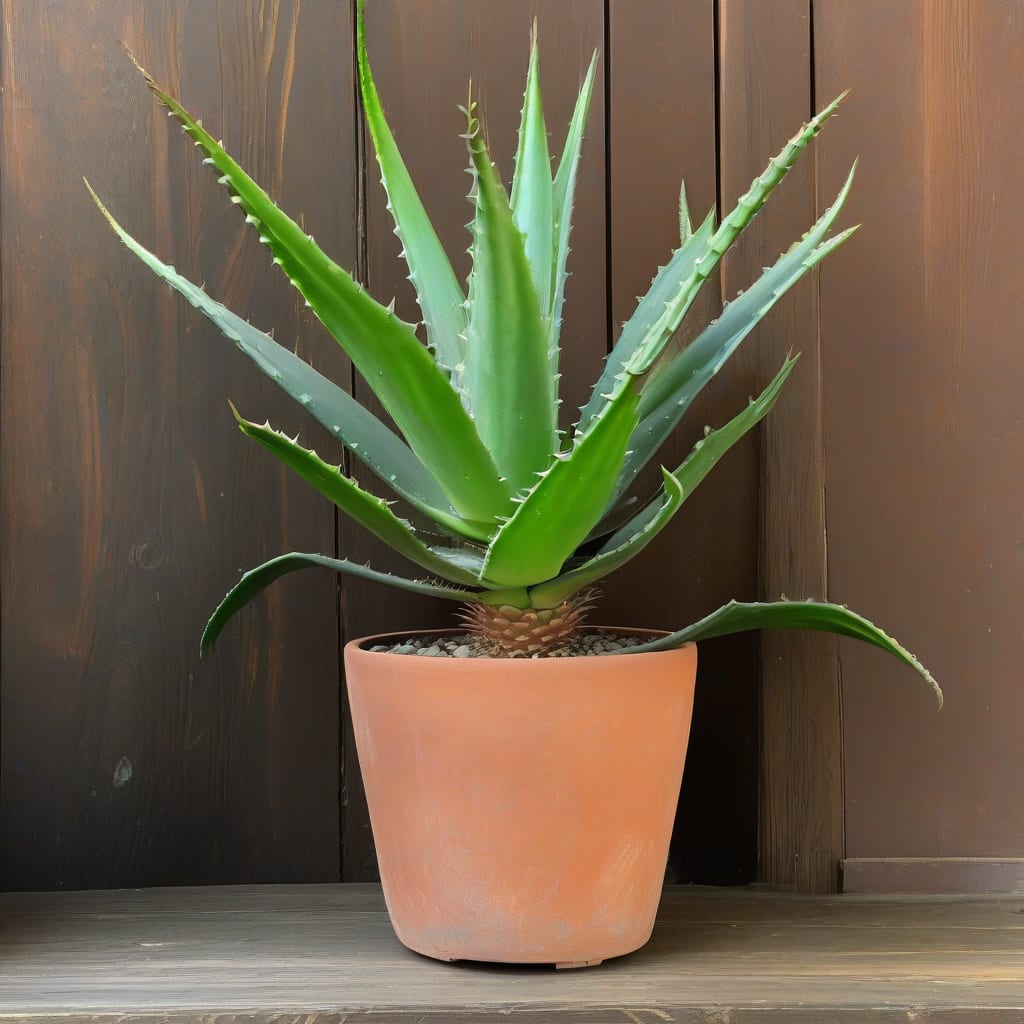
I’ve always been fascinated by the variety of succulent species and their different growth patterns. Some succulents remain compact, while others can grow quite tall. Understanding the maximum heights of popular succulent species can help you choose the right plants for your garden or indoor space.
| Succulent Species |
Maximum Height |
| Aloe vera |
2-3 feet |
| Echeveria elegans |
1-2 feet |
| Crassula ovata (Jade Plant) |
3-6 feet |
| Kalanchoe thyrsiflora |
2-3 feet |
The table above shows some popular succulent species and their typical maximum heights. For example, Aloe vera and Echeveria elegans are generally more compact, while Crassula ovata (Jade Plant) can grow quite tall. 🌱
Understanding these growth patterns can help you plan your succulent garden or indoor collection more effectively. Some succulents are naturally more compact and suitable for small spaces, while others can become statement pieces in larger gardens or containers.
It’s worth noting that while these are typical maximum heights, actual growth can vary based on specific growing conditions. Factors like light exposure, watering frequency, and soil quality all play crucial roles in determining the final height of your succulents.
For those looking to maximize the height of their succulents, providing optimal growing conditions is essential. This includes ensuring they receive the right amount of light, water, and nutrients.
Some succulents, like Agave species, can grow quite large and are often used as focal points in xeriscaping. Others, like Haworthia, remain relatively small and are perfect for indoor containers or small garden spaces.
The key to managing succulent height is understanding the specific needs and growth habits of each species. By providing the right conditions and care, you can encourage healthy growth and enjoy your succulents at their best.
Whether you’re a seasoned gardener or just starting out, knowing the potential heights of different succulent species can help you create beautiful and thriving arrangements.
As you plan your succulent garden or collection, consider the mature size of the plants you’re working with. This will help you create a balanced and visually appealing display.
Succulents offer a wide range of growth patterns, from ground covers to tall, upright plants. This diversity allows for creative and varied garden designs.
In conclusion, understanding the maximum heights of popular succulent species is an important part of succulent care. By knowing what to expect, you can better plan and care for your plants, ensuring they thrive and reach their full potential.
Factors Influencing Succulent Growth Height
I’ve found that understanding the factors that influence succulent growth height is crucial for maintaining healthy plants. Several key elements can affect how tall your succulents will grow.
Let’s explore these factors in more detail. The height of succulents can be influenced by various conditions, including light exposure, watering practices, soil quality, and temperature.
i
Did You Know?
Succulents can adapt their growth height based on their environment. Proper care can help them reach their full potential.
Light exposure plays a significant role in determining succulent height. Most succulents require bright, indirect light to photosynthesize effectively. Insufficient light can lead to leggy growth as the plant stretches towards the light source.
Watering practices also impact succulent height. Overwatering can cause root rot, stunting growth, while underwatering can stress the plant, limiting its growth potential. Finding the right balance is key.
The quality of the soil is another critical factor. Succulents thrive in well-draining soil that prevents waterlogged conditions. Poor soil can restrict root development, affecting overall plant height.
Temperature is another important consideration. Most succulents prefer temperatures between 65°F to 75°F (18°C to 24°C). Extreme temperatures can stress the plants, impacting their growth.
By understanding and managing these factors, you can create optimal conditions for your succulents to grow healthily and reach their potential height.
It’s worth noting that different succulent species have varying sensitivities to these factors. Researching the specific needs of your plants can help you tailor your care routine for the best results.
For example, some succulents like Aloe vera can tolerate more direct sunlight, while others like Haworthia prefer shadier conditions. Adjusting care based on the specific needs of each species is crucial.
In my experience, providing the right balance of light, water, and nutrients has helped my succulents thrive. By paying attention to these factors, you can encourage healthy growth and enjoy your succulents at their best.
Succulents are adaptable plants, but they still require careful attention to their growing conditions. By optimizing these factors, you can help your succulents reach their maximum height potential.
As you continue to care for your succulents, remember that patience and observation are key. Monitoring your plants‘ responses to different conditions will help you refine your care routine over time.
Tips for Managing Succulent Height Through Pruning
I always emphasize the importance of pruning in maintaining the desired height and shape of succulents. Proper pruning techniques can help control the growth of your plants and keep them looking their best.
Let’s explore some practical tips for managing succulent height through pruning. The key is to understand when and how to prune your succulents effectively.
-
1
Identify the Right Time
Prune during the growing season (spring and summer) when succulents are actively producing new growth.
-
2
Remove Leggy Growth
Cut back leggy stems to encourage branching and a more compact shape. Use clean, sharp tools to prevent damage.
-
3
Propagate Cuttings
Use the removed cuttings to propagate new succulents. Allow the cut ends to callus over before planting.
By following these pruning steps, you can effectively manage the height of your succulents and promote healthy, bushy growth. Regular pruning not only controls height but also encourages your plants to become more robust and vibrant 🌿.
It’s essential to be patient and observe how your succulents respond to pruning. Some species may require more frequent pruning than others, so understanding the specific needs of your plants is crucial.
For example, Echeveria and Crassula species often benefit from regular pruning to maintain their shape and encourage new growth. On the other hand, some succulents like Aloe vera may not require as much pruning.
As you continue to care for your succulents, remember that pruning is just one aspect of their overall care. Combining proper pruning techniques with optimal growing conditions will help your succulents thrive and reach their full potential.
★★★★★5.0(1 review)