
Beautiful Plants For Your Interior
Beautiful Plants For Your Interior
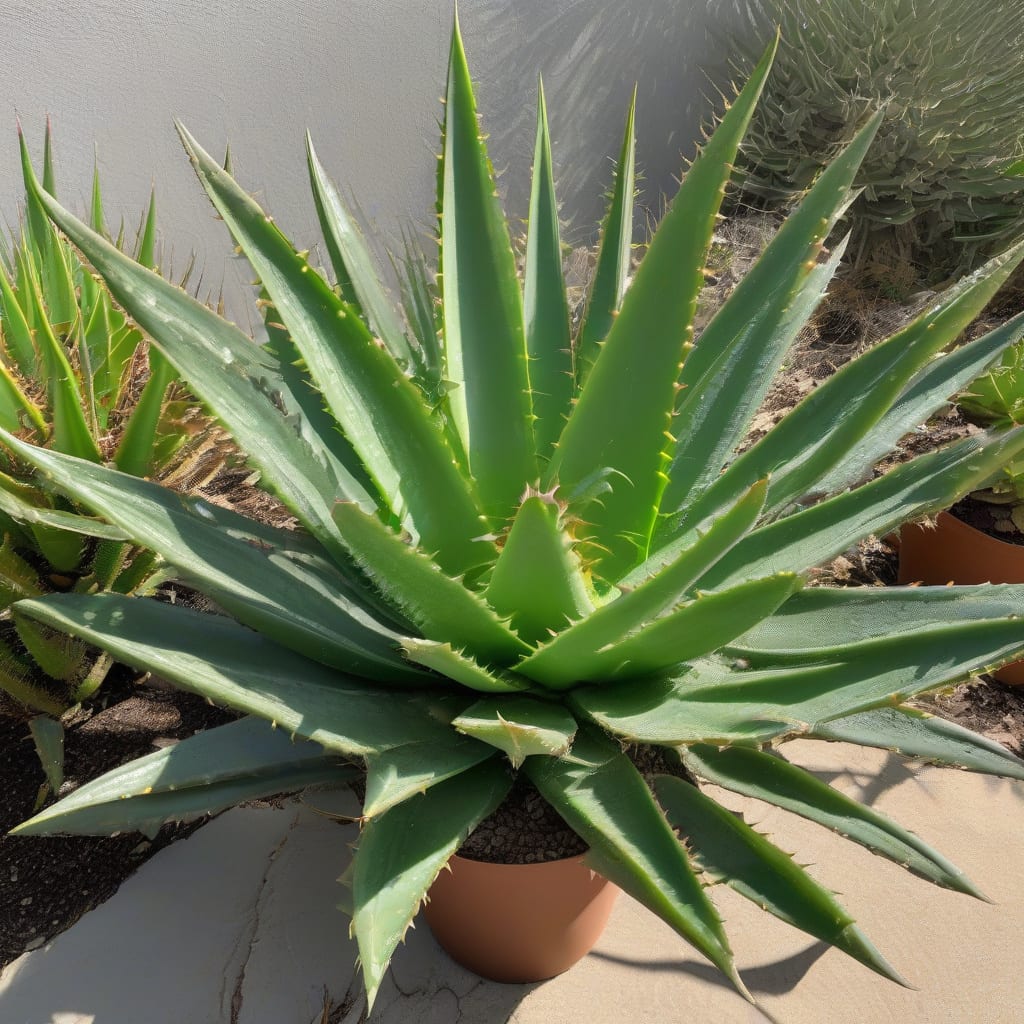
Succulents 🌵 have unique growth patterns that can be both surprising and fascinating. Understanding how tall they can grow is crucial for proper care and placement in your garden or home.
I’ve discovered that succulent height varies greatly depending on the species and environmental conditions. Let’s explore the factors that influence their growth and maximum heights to help you make informed decisions about your succulent care.


Succulents are known for their unique shapes and sizes, ranging from tiny rosettes to towering plants. The height to which succulents can grow varies significantly depending on the species.
Succulent height can be influenced by factors such as light, watering, soil quality, and temperature. Understanding these factors is crucial for managing the growth of your succulents effectively.
Some succulent species, like the Crassula family, can grow quite tall, reaching heights of up to 6 feet. Others, like Echeveria, tend to remain more compact, typically growing to 1-2 feet in height.
The maximum height of succulents is also influenced by genetics and cultivation practices. Understanding these factors can help you choose the right succulent for your space.
Some key factors that affect succulent height include light exposure, watering frequency, and soil quality. By adjusting these factors, you can influence the growth pattern of your succulents.
For example, succulents grown in bright light tend to grow more compactly, while those in lower light conditions may stretch out more. 🌵
Watering practices also play a crucial role in succulent height. Overwatering can lead to weak, leggy growth, while underwatering can stunt the plant’s growth.
Soil quality is another important factor. Succulents prefer well-draining soil that prevents water from accumulating around the roots.
By understanding these factors and how they impact succulent growth, you can better manage the height of your succulents and ensure they thrive in their environment.
Succulents are incredibly diverse, with different species exhibiting different growth habits. Some succulents are naturally more compact, while others can grow quite tall.
When selecting succulents, it’s essential to consider the mature size of the plant to ensure it fits well in your chosen location.
Overall, understanding the growth patterns and maximum heights of succulents can help you make informed decisions about their care and placement.
By providing the right conditions and care, you can encourage your succulents to grow healthily and reach their full potential.
Succulent height is influenced by various environmental factors that can significantly impact their growth patterns. Understanding these factors is crucial for managing succulent height effectively.
Light exposure, watering practices, soil quality, and temperature all play crucial roles in determining succulent height. Proper care can help maintain desired heights.
The amount of light a succulent receives is one of the primary factors affecting its height. Succulents grown in bright, indirect light tend to remain more compact, while those in lower light conditions may stretch out more.
Watering practices also significantly impact succulent height. Overwatering can lead to weak, leggy growth, while underwatering can stunt the plant’s growth. Finding the right balance is key to maintaining healthy, compact succulents.
Soil quality is another critical factor. Succulents prefer well-draining soil that prevents water from accumulating around the roots. This helps prevent root rot and promotes healthy growth.
Temperature also plays a role in succulent height. Most succulents thrive in temperate conditions, typically between 65°F to 75°F (18°C to 24°C). Extreme temperatures can stress the plants and affect their growth patterns.
By understanding and controlling these environmental factors, you can influence the height of your succulents and ensure they remain healthy and thriving.
Different succulent species respond differently to these factors, so it’s essential to research the specific needs of your plants.
Adjusting care practices based on these factors can help you achieve the desired height for your succulents, whether you prefer compact plants or taller specimens.
Regular monitoring and adjustments to care practices will help maintain the ideal height for your succulents, ensuring they remain a beautiful addition to your garden or home.
To manage succulent height effectively, it’s essential to understand the right pruning techniques and care practices. Pruning not only helps control the height but also encourages healthy growth and maintains the plant’s appearance.
Use clean, sharp scissors to remove leggy growth and encourage branching for a fuller plant.
Pruning techniques vary depending on the succulent species, but generally involve removing leggy growth and damaged leaves. This not only helps control height but also promotes a fuller, healthier plant.
When pruning succulents, it’s crucial to use clean, sharp tools to prevent spreading disease. Make clean cuts just above a leaf node to encourage new growth.
Pot size also plays a significant role in managing succulent height. Using a pot that is too large can lead to excessive growth, while a pot that is too small may restrict growth.
Regular maintenance practices, such as rotating the plant to ensure even light distribution, can also help maintain a balanced, compact shape.
By combining proper pruning techniques with appropriate care practices, you can effectively manage the height of your succulents and keep them healthy and thriving. 🌵
Different succulent species may require different approaches to pruning and care. Researching the specific needs of your plants will help you tailor your care routine for optimal results.
