
Beautiful Plants For Your Interior
Beautiful Plants For Your Interior
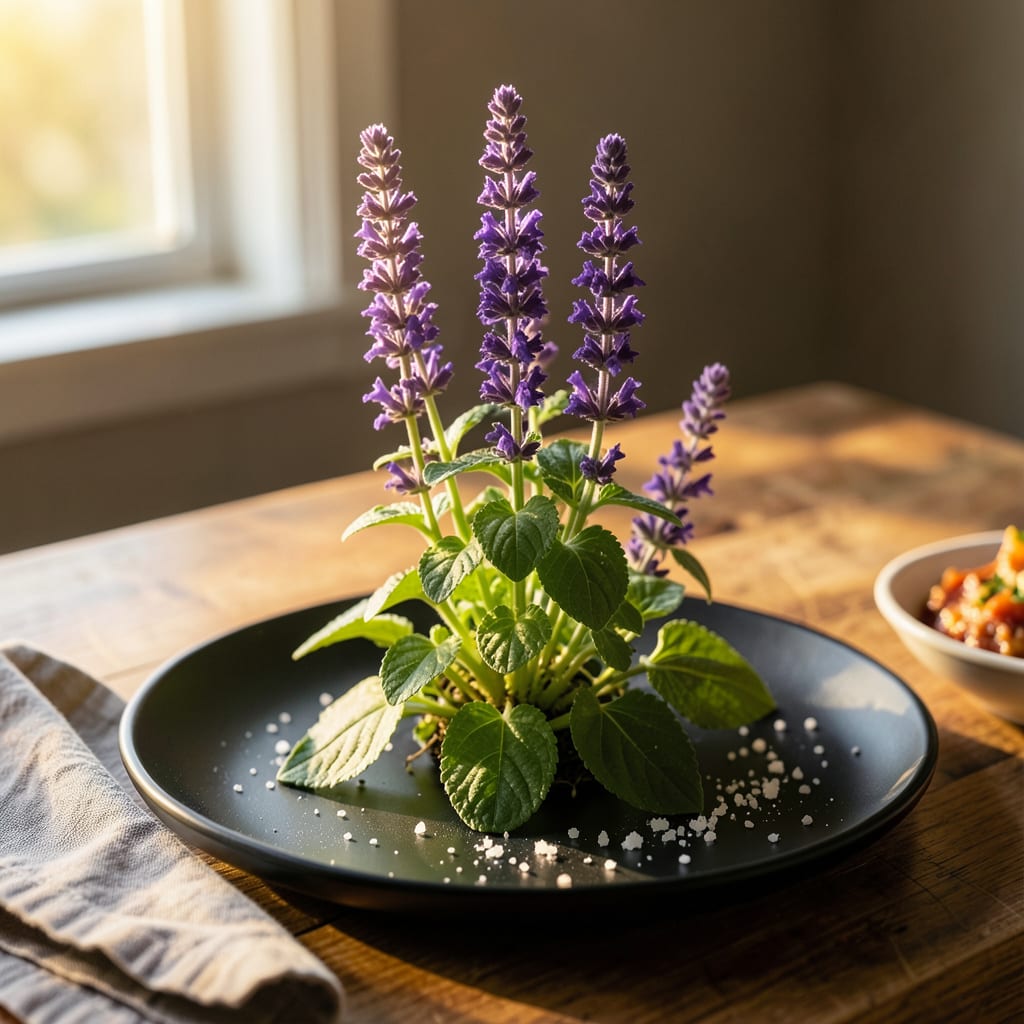
When I first planted Salvias 💐 in my garden, I was amazed by their vibrant colors and ability to attract pollinators. But one question kept popping up: how tall would they grow? Understanding their growth habits is key to perfect placement in your garden.
Salvias can grow anywhere from 2 to 6 feet tall, depending on the variety and growing conditions in your USDA Zone 6 garden. Let’s explore the factors that influence their height and how to make the most of these beautiful plants.

2 ft

3-4 ft

4-6 ft

3-6 ft
When I first started growing Salvias, I was amazed by their diverse height ranges. Different salvia species and cultivars can grow anywhere from compact 1-foot varieties to tall 6-foot types. This wide range makes them versatile for various garden designs.
The height of salvias is influenced by their genetic makeup and growing conditions. Some compact varieties like Salvia ‘Blue Hill’ remain relatively short, while others like Salvia ‘Mystic Spires’ can grow much taller 🌿.
Understanding these height variations is crucial for garden planning. Taller salvias can serve as dramatic backdrops, while shorter varieties work well in containers or border plantings. For example, Salvia ‘Caradonna’ can grow up to 4 feet tall, making it perfect for adding height to your garden.
The growth habit of salvias also affects their height. Some salvias grow upright, while others have a more sprawling habit. This variation allows gardeners to choose the right type for their specific needs. I personally love using a mix of tall and short salvias to create a layered look in my garden 🌼.
In my experience, the key to maximizing salvia height is providing optimal growing conditions. This includes ensuring full sun (at least 6 hours of direct sunlight) and using well-draining soil. Regular pruning can also help control height and encourage bushier growth.
When planning your garden, consider the mature height of salvias and space them accordingly. This will help prevent overcrowding and ensure each plant gets enough sunlight. For instance, I like to plant my taller salvias towards the north side of my garden to avoid shading smaller plants.
Different salvia varieties have different growth rates. Some may reach their full height quickly, while others take more time. Understanding these growth patterns can help you plan a garden that looks great throughout the growing season. I find that mixing fast-growing and slow-growing salvias creates a dynamic and interesting garden landscape 🌿.
To summarize, salvias offer a wide range of heights that can fit various garden designs. By understanding the different types and their growth habits, you can create a beautiful and diverse garden. Whether you prefer compact varieties or tall, statuesque plants, there’s a salvia to suit your needs.
For more specific information on different salvia varieties and their height ranges, you can consult a detailed gardening guide or visit a local nursery. They can provide valuable insights and help you choose the perfect salvias for your garden.
Overall, salvias are a fantastic addition to any garden, offering not just varying heights but also vibrant colors and attractive foliage. Their versatility makes them a favorite among gardeners, and with the right care, they can thrive and add beauty to your outdoor space.
When growing salvias, I’ve found that their height is influenced by several key factors. Understanding these elements helps gardeners manage their salvia’s growth effectively and achieve the desired height in their garden design 🌿.
The first critical factor is soil quality. Salvias thrive in well-draining soil with good aeration. Poor soil conditions can limit root development, affecting overall plant height. For example, heavy clay soils can cause waterlogging, which may stunt salvia growth.
Soil quality, sunlight, watering, and pruning practices all significantly impact salvia height. Optimizing these factors helps achieve desired plant height and overall garden design.
Sunlight exposure is another crucial element. Salvias generally require full sun to reach their maximum height potential. In my experience, salvias receiving at least 6 hours of direct sunlight daily tend to grow taller and more vigorously than those in partial shade.
Watering practices also play a significant role. While salvias need consistent moisture, especially when establishing, overwatering can lead to root rot and stunted growth. I recommend watering deeply but infrequently to encourage deep root growth and support taller plants.
Pruning techniques can significantly influence salvia height. Regular pruning not only controls height but also promotes bushier growth. For instance, pinching back the tips of young salvia plants encourages branching, resulting in a fuller plant that may be slightly shorter but more robust 🌼.
Nutrient availability is another factor that affects salvia height. Using a balanced fertilizer during the growing season can support healthy growth. However, it’s essential to avoid over-fertilizing, as this can lead to excessive foliage growth at the expense of flowering.
The specific salvia variety also plays a crucial role in determining height. Some salvias are naturally more compact, while others are bred to be taller. Understanding the expected mature height of your specific salvia variety helps in planning garden layouts.
To summarize, managing salvia height involves a combination of good soil quality, appropriate sunlight, careful watering, and regular pruning. By optimizing these factors, gardeners can achieve the desired height for their salvias and create a beautiful, thriving garden display 🌿.
When planning my garden, I consider the height of salvias to create a visually appealing landscape. Salvias come in various heights, from compact 1-foot varieties to tall 6-foot types, making them versatile for different garden designs 🌿.
To maximize visual impact, I use a mix of tall and short salvias to create a layered look. Taller salvias like Salvia ‘Mystic Spires’ serve as dramatic backdrops, while shorter varieties like Salvia ‘Blue Hill’ work well in containers or border plantings.
By understanding the different heights of salvias and using them effectively, you can create a beautiful and diverse garden landscape 🌼.
In my experience, the key to a successful garden design is considering the mature height of salvias and spacing them accordingly. This helps prevent overcrowding and ensures each plant gets enough sunlight.
For a dynamic garden landscape, I recommend mixing fast-growing and slow-growing salvias. This creates a visually interesting garden that changes throughout the growing season 🌿.
