
Beautiful Plants For Your Interior
Beautiful Plants For Your Interior
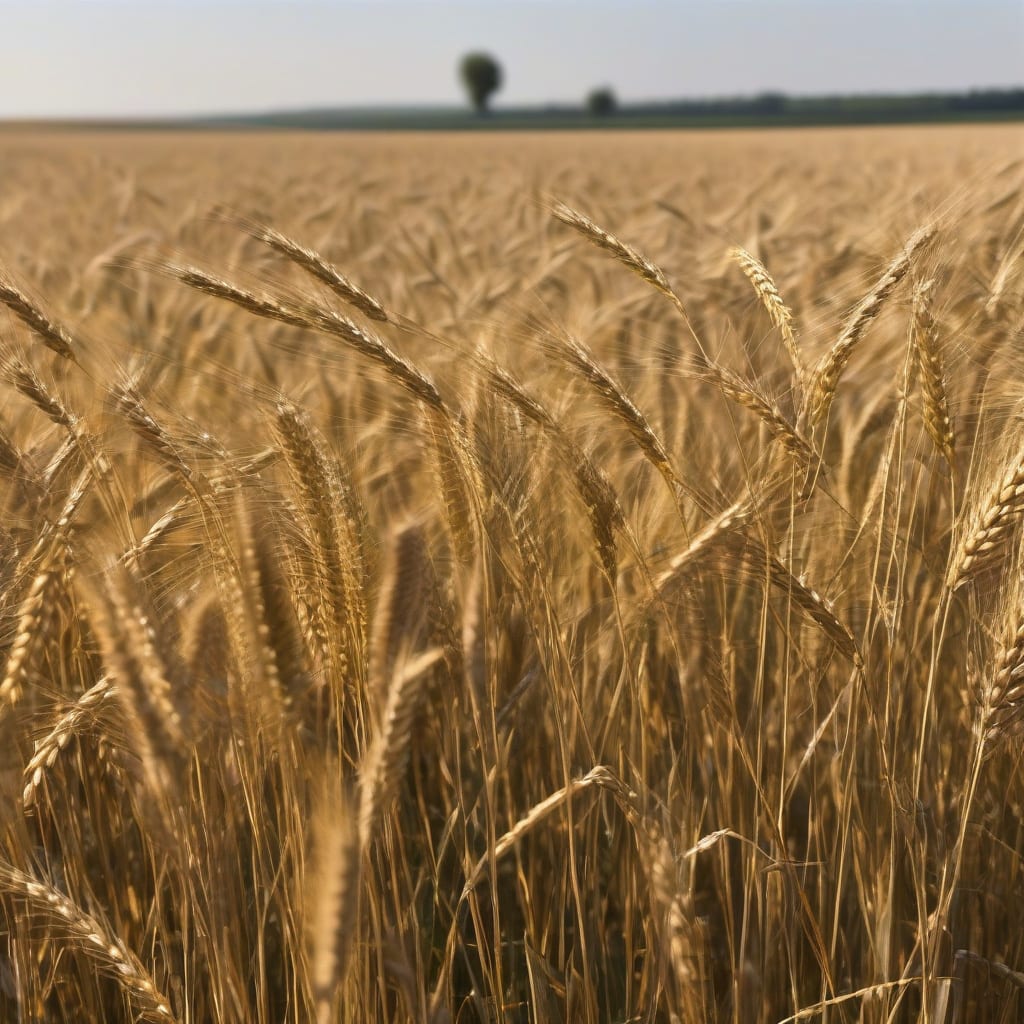
As I stand in my field watching my Winter Wheat 🌾 grow, I’m always curious about how tall it will get. The height of Winter Wheat is crucial for farmers and gardeners in USDA Zone 6 to optimize cultivation practices and predict harvest yields.
Typically, Winter Wheat grows between 2-4 feet tall, depending on factors like genetics, climate, and soil quality. Understanding these factors helps me manage my crop effectively and ensure a successful harvest.

2-3 ft

3-4 ft

3-4 ft

3-4 ft
As a farmer or gardener, understanding the factors that influence Winter Wheat growth height is essential for optimizing cultivation practices. The height of Winter Wheat can vary significantly based on several key factors 🌾.
The primary factors that affect Winter Wheat height include genetics, climate, soil quality, and farming practices. Each of these elements plays a crucial role in determining the final height of the crop.
Genetics play a significant role in determining the potential height of Winter Wheat. Different varieties are bred for specific traits, including height, to suit various growing conditions and agricultural practices 🌱.
Climate is another critical factor influencing Winter Wheat height. Weather conditions, such as temperature and precipitation patterns, can either promote or hinder growth. For instance, adequate moisture during the growing season can lead to taller plants.
Soil quality is also vital. The availability of nutrients and the structure of the soil can significantly impact the growth of Winter Wheat. Well-draining, fertile soils tend to support healthier, taller plants 🌿.
Farming practices, including planting density, fertilization, and irrigation management, can be adjusted to optimize Winter Wheat height. For example, reducing planting density can allow individual plants to grow taller.
Understanding these factors helps in managing Winter Wheat cultivation effectively. By recognizing how genetics, climate, soil quality, and farming practices influence height, farmers can make informed decisions to optimize their crop yields 🌾.
Each factor contributes to the overall growth and final height of Winter Wheat. By optimizing these elements, farmers can achieve the desired height and quality in their crops.
The interplay between these factors can lead to variations in Winter Wheat height from season to season. Monitoring and adjusting these factors can help in achieving consistent yields.
In conclusion, the height of Winter Wheat is influenced by a combination of genetic, climatic, soil-related, and agricultural factors. Understanding and managing these factors is key to successful cultivation 🌱.
By focusing on these critical elements, farmers and gardeners can better predict and manage the height of their Winter Wheat crops, leading to more successful harvests 🌾.
Winter wheat varieties exhibit a range of heights, typically growing between 2-4 feet tall. Understanding the average and maximum heights of different varieties is essential for farmers and gardeners to plan their cultivation strategies effectively 🌾.
The height of winter wheat is influenced by both genetic factors and environmental conditions. Different varieties have been bred for specific traits, including height, to suit various growing conditions and agricultural practices.
The average height of winter wheat varieties ranges from 2-4 feet, with some varieties reaching maximum heights of up to 4 feet under optimal growing conditions 🌿.
Different varieties of winter wheat have distinct growth patterns. Dwarf varieties tend to be shorter, typically growing between 2-3 feet tall, while semi-dwarf and standard varieties can reach heights of 3-4 feet 🌱.
The maximum height achieved by winter wheat is often influenced by factors such as soil quality, climate, and farming practices. Optimal conditions, including adequate moisture and nutrient-rich soil, can support taller growth 📈.
Farmers and gardeners can select varieties based on their specific needs and growing conditions. Understanding the potential height of different winter wheat varieties helps in planning cultivation strategies effectively 🌾.
In conclusion, the height of winter wheat varieties can vary significantly based on genetic and environmental factors. By understanding these factors, farmers and gardeners can make informed decisions to optimize their crop yields 🌟.
As a farmer or gardener, managing the height of Winter Wheat is crucial for achieving optimal yields. The height of Winter Wheat can significantly impact its overall health and productivity 🌾.
To manage Winter Wheat height effectively, several agricultural practices can be employed. These include adjusting planting density, applying appropriate fertilization, and implementing proper irrigation management.
Adjusting planting density can help manage Winter Wheat height. Lower densities can lead to taller plants, while higher densities can result in shorter plants due to competition for resources 🌱.
Adjusting planting density is a straightforward way to influence Winter Wheat height. By reducing the density, individual plants have more resources available, potentially leading to taller growth 📈.
Fertilization is another critical factor. Applying the right type and amount of fertilizer at the appropriate time can support healthy growth and influence plant height. For Winter Wheat, a balanced fertilizer applied at planting and during the growing season can be beneficial 🌿.
Irrigation management also plays a vital role. Adequate moisture, especially during critical growth stages, can promote healthier and potentially taller plants. However, over-irrigation should be avoided as it can lead to lodging and reduced yields 🌟.
By carefully managing these factors, farmers and gardeners can optimize the height of their Winter Wheat crops, leading to better overall yields and healthier plants 🌾.
In conclusion, managing Winter Wheat height involves a combination of adjusting planting density, fertilization, and irrigation practices. By understanding and implementing these strategies, farmers can achieve optimal yields and improve their cultivation practices.
