
Beautiful Plants For Your Interior
Beautiful Plants For Your Interior
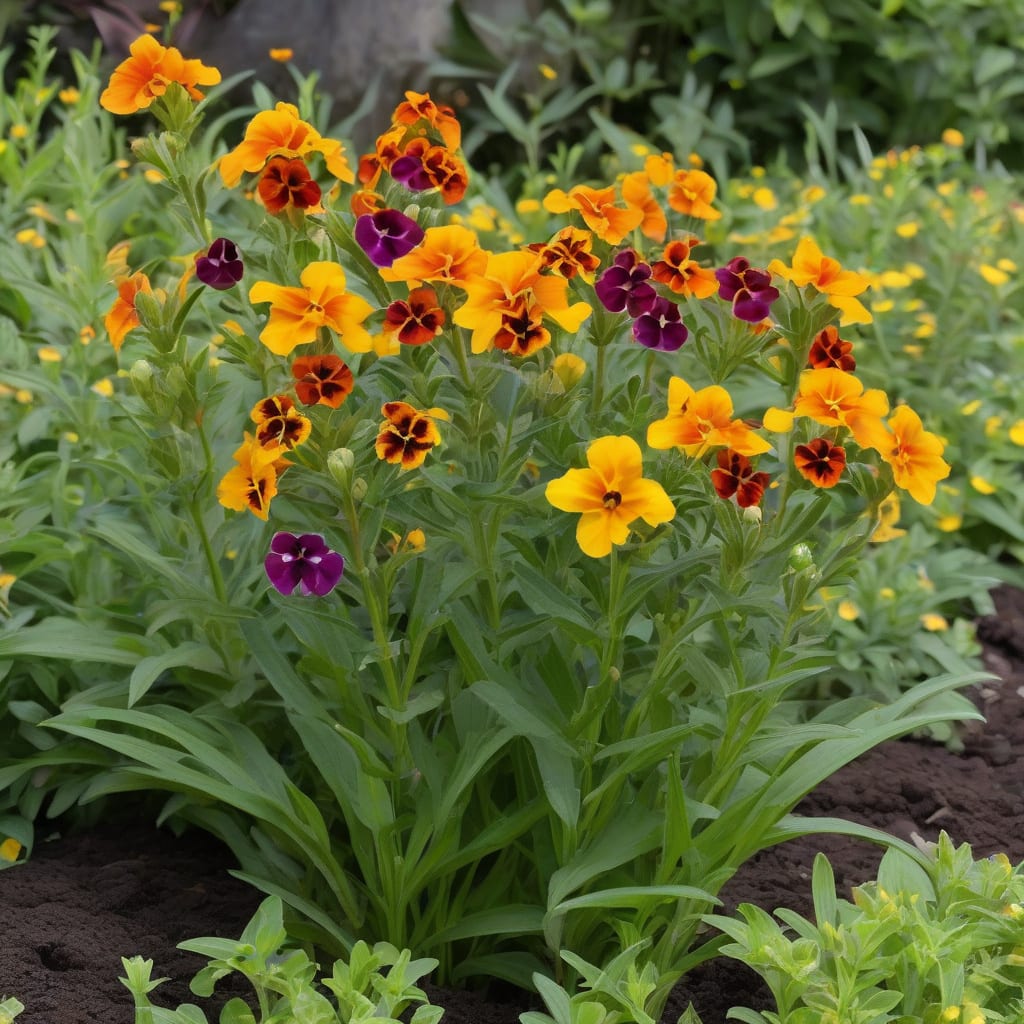
When planting Wallflowers 💐 in your garden, understanding their growth habits is crucial for perfect placement. These vibrant flowers typically grow between 1-3 feet tall, making them ideal for various garden settings.
In USDA Zone 6, Wallflowers thrive when planted in the fall, around September to November, and bloom beautifully in the spring. Proper care and conditions can help you achieve optimal growth and enjoy their sweet fragrance.


When planning your garden, understanding the height of wallflowers is crucial for proper placement. Wallflowers typically grow between 1-3 feet tall, making them versatile for various garden settings. Their height can vary based on the specific variety and growing conditions 🌼.
Different types of wallflowers may have slightly different growth habits. For example, some compact varieties might stay under 1.5 feet, while taller types can reach up to 3 feet in height. Factors such as soil quality, sunlight, and climate can also influence their ultimate height 🌻.
The height of wallflowers can be influenced by several factors, including soil quality, sunlight exposure, and climate conditions. Good soil preparation and proper care can help achieve optimal growth. For instance, wallflowers prefer well-drained soil and full sun to partial shade 🌞.
In USDA Zone 6, wallflowers are typically planted in the fall, around September to November. This allows them to establish themselves before the winter and bloom beautifully in the spring. Proper planting spring care practices can further enhance their height and blooming performance 🌼.
Wallflowers are a popular choice for gardeners due to their vibrant colors and sweet fragrance. They are relatively easy to grow and can thrive in various conditions, making them a great addition to any garden 🌺.
To achieve optimal growth, it’s essential to provide wallflowers with the right conditions. This includes planting them in well-drained soil and ensuring they receive adequate sunlight. With proper care, wallflowers can reach their full potential and add beauty to your garden 🌻.
Understanding the growth habits of wallflowers can help you make informed decisions when planning your garden. By considering factors such as height, soil quality, and sunlight exposure, you can create a thriving and beautiful garden display 🌼.
Wallflowers are a versatile and attractive addition to any garden. Their ability to grow in various conditions and reach different heights makes them suitable for a wide range of garden designs 🌺.
Understanding the factors that influence wallflower height and growth is crucial for achieving optimal results in your garden. Several key elements can impact how tall your wallflowers will grow and how well they will thrive 🌼.
Soil quality plays a significant role in wallflower growth. These plants prefer well-drained soil that is rich in organic matter. Ensuring your soil has good drainage and is amended with compost can help promote healthy growth 🌻.
For optimal wallflower growth, ensure the soil is well-drained and rich in organic matter. Regular watering and appropriate sunlight exposure are also crucial 🌞.
Sunlight exposure is another critical factor. Wallflowers thrive in full sun to partial shade. Providing them with at least 6 hours of direct sunlight per day can help them reach their full potential 🌻.
Climate conditions also affect wallflower height. In USDA Zone 6, wallflowers are typically planted in the fall and bloom in the spring. Understanding your local climate and adjusting your planting schedule accordingly can help ensure successful growth 🌼.
Pruning and care practices can further influence wallflower development. Regular deadheading and appropriate watering can encourage more vigorous growth and blooming 🌺.
By considering these factors and providing optimal conditions, you can help your wallflowers achieve their maximum height and enjoy a vibrant display of color in your garden 🌼.
Wallflowers are relatively easy to care for, making them a great choice for gardeners of all experience levels. With the right conditions and proper care, they can add beauty and fragrance to your garden 🌺.
Understanding the specific needs of wallflowers and how different factors influence their growth can help you create a thriving and beautiful garden display 🌻.
To maximize wallflower height and bloom, it’s essential to follow expert advice on soil preparation, planting techniques, and maintenance 🌼.
First, ensure your soil is well-prepared by adding organic matter like compost. This improves soil structure and fertility, promoting healthy root development and overall growth 🌻.
Plant wallflowers in the fall, about 8 weeks before the first frost. This allows them to establish a strong root system before winter.
Ensure wallflowers receive full sun to partial shade, with at least 6 hours of direct sunlight per day.
Water wallflowers weekly, providing about 1 cup (250ml) of water per plant. Adjust based on weather conditions 🌞.
By following these expert tips, you can maximize the height and bloom of your wallflowers, enjoying their vibrant colors and sweet fragrance in your garden 🌺.
Proper care and maintenance are key to achieving optimal growth. Regular deadheading and appropriate watering can encourage more vigorous growth and blooming 🌼.
Understanding the specific needs of wallflowers and how to meet them can help you create a thriving and beautiful garden display 🌻.
