
Beautiful Plants For Your Interior
Beautiful Plants For Your Interior
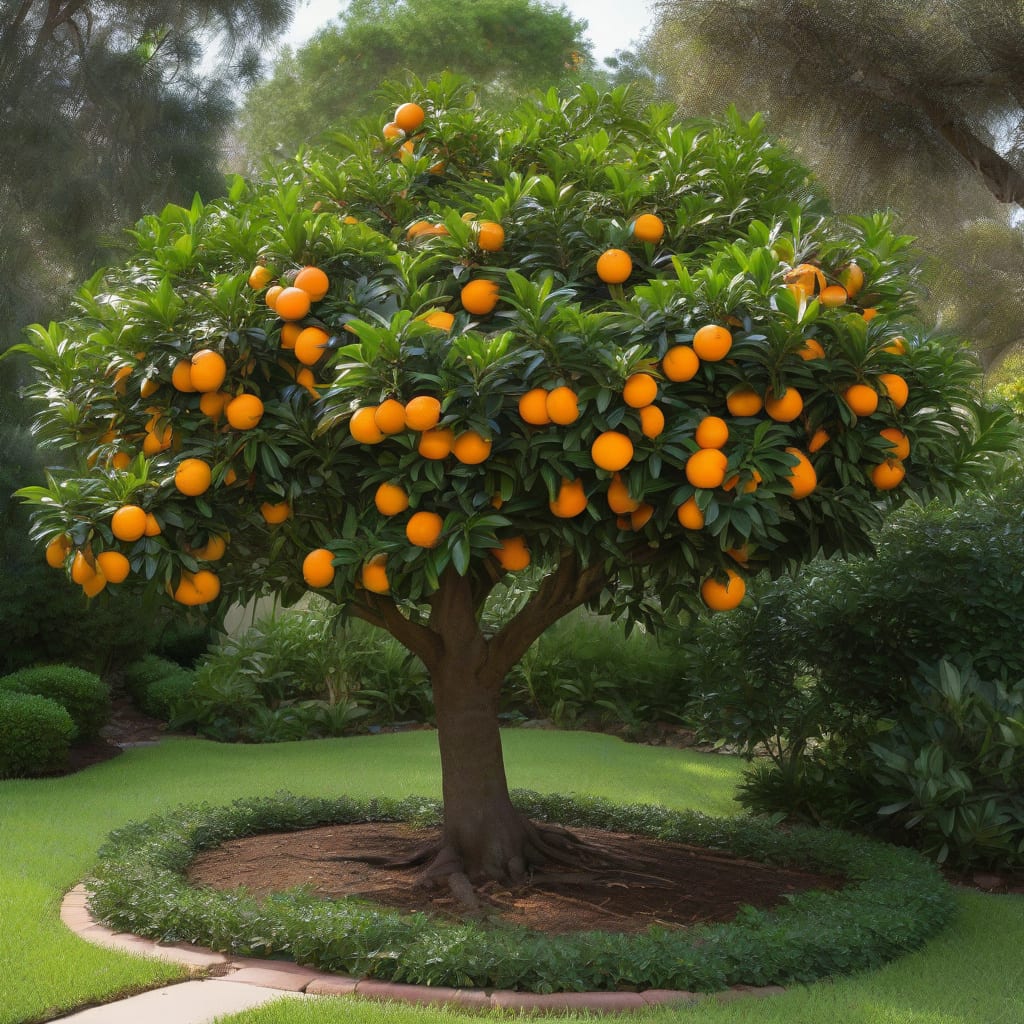
I still remember the excitement of planting my first Mandarin Tree 🌳 in my backyard. As it grew, I wondered: how tall would it get? Understanding the growth potential of your Mandarin Tree is crucial for planning your garden space and ensuring a bountiful harvest.
Mandarin Trees typically grow between 10 to 15 feet tall, but with proper pruning and care, you can control their height and promote healthy growth. Let’s explore the factors that influence their size and how to make the most of your tree.


Mandarin Trees are known for their relatively compact size compared to other citrus trees. On average, they grow between 10 to 15 feet tall, making them suitable for smaller gardens or even container gardening. However, their height can vary based on factors such as rootstock, growing conditions, and pruning practices.
The natural growth habit of Mandarin Trees is to develop a rounded or vase-shaped canopy. This growth pattern allows for good air circulation and sunlight penetration, which are crucial for healthy fruit production. Understanding these growth patterns is essential for effective tree management and maximizing fruit yield 🌳.
The rootstock used for grafting Mandarin Trees can significantly influence their ultimate height. Dwarf or semi-dwarf rootstocks are commonly used to control tree size, making them more manageable for home gardeners. These rootstocks can reduce the tree’s height by 20-30% depending on the rootstock.
Understanding the impact of rootstock on Mandarin Tree growth is crucial for gardeners to make informed decisions about tree size management. Let’s explore the different rootstock options and their effects on tree height 🌿.
The growth rate of Mandarin Trees is generally considered moderate. Under optimal conditions, they can grow 1-2 feet per year during their early years. However, as the tree matures, its growth rate slows down.
Factors such as soil quality, climate, and pruning practices also play crucial roles in determining the final height of a Mandarin Tree. Proper care and maintenance are essential for achieving the desired tree size and promoting healthy growth 🌱.
By understanding these growth patterns, gardeners can better plan their orchard layout and manage their trees effectively. Regular pruning and training are key practices that help maintain the desired tree height and promote fruiting.
It’s worth noting that Mandarin Trees are generally more compact than other citrus varieties, making them ideal for smaller spaces. Their natural growth habit, combined with proper pruning, allows gardeners to maintain a manageable tree size while still enjoying a bountiful harvest 🌼.
For those growing Mandarin Trees in containers, their height can be more easily controlled through regular pruning and root restriction. This makes them an excellent choice for urban gardening or small backyard spaces.
In conclusion, understanding the growth patterns of Mandarin Trees is essential for effective tree management. By considering factors such as rootstock, growing conditions, and pruning practices, gardeners can optimize their tree’s growth and fruit production. With proper care, Mandarin Trees can thrive and provide delicious fruit for years to come 🌳.
Regular monitoring and maintenance are key to ensuring that your Mandarin Tree remains healthy and productive. By staying informed about the tree’s growth patterns and needs, you can make the most of your gardening experience and enjoy a successful harvest.
Pruning is a crucial technique for maintaining the desired height of your Mandarin Tree while promoting healthy growth and fruit production. Regular pruning helps control the tree’s size, improves air circulation, and enhances sunlight penetration 🌳.
The best time to prune Mandarin Trees is during the dormant season, typically in late winter or early spring. This timing allows you to shape the tree before new growth begins and minimizes the risk of stressing the tree.
Start by removing any dead, diseased, or damaged branches to prevent the spread of disease and encourage healthy growth.
Thin out the center of the tree to allow for better air circulation and sunlight penetration, which helps reduce the risk of disease and promotes fruiting.
Shape the tree by cutting back branches that are growing too tall or out of place. This helps maintain the desired height and promotes a balanced structure.
When pruning, it’s essential to use the right tools to make clean cuts and avoid damaging the tree. Sharp, sterile pruning shears or loppers are ideal for most pruning tasks.
Regular pruning not only controls the height of your Mandarin Tree but also encourages fruiting by allowing more sunlight to reach the fruit-bearing branches. This results in a more bountiful harvest and healthier tree 🌼.
For container-grown Mandarin Trees, pruning is even more critical as it helps maintain a manageable size and promotes healthy root growth. Regular root pruning may also be necessary to prevent the tree from becoming root-bound 🌱.
In addition to pruning, training your Mandarin Tree through techniques like espaliering can also help control its height and promote a more productive tree structure. This involves training the branches to grow in a specific pattern, often against a wall or trellis.
By mastering these pruning techniques, you can effectively control the height of your Mandarin Tree, ensuring it remains healthy and productive for years to come 🌳.
Remember, the key to successful pruning is to be regular and consistent. Annual pruning sessions will help you maintain the desired tree size and promote optimal fruit production.
With proper pruning and care, your Mandarin Tree will thrive and provide you with a delicious harvest for years to come. Happy pruning! 🌸
Mandarin Tree size and growth rate are influenced by several key factors. Understanding these factors is crucial for optimizing tree health and productivity. The main factors include soil conditions, climate requirements, watering needs, and fertilization practices.
Mandarin Trees prefer well-draining soil with a pH between 6.0 and 7.0. Poor soil conditions can limit tree growth and fruit production.
Soil quality plays a significant role in Mandarin Tree growth. Trees grown in soil with good structure, adequate nutrients, and proper drainage tend to grow more vigorously and reach their full height potential 🌱.
Climate is another critical factor affecting Mandarin Tree size. These trees thrive in subtropical or Mediterranean climates with mild winters and warm summers. Extreme temperatures can impact tree growth and fruit production 🌡️.
Watering practices also influence Mandarin Tree growth. Consistent moisture, especially during the fruiting stage, is essential for healthy growth. However, overwatering can be detrimental, leading to root rot and other issues 💧.
Fertilization is vital for maintaining tree health and promoting growth. A balanced fertilizer applied regularly during the growing season can support optimal tree development and fruit production 📦.
By understanding and managing these factors, gardeners can create optimal conditions for their Mandarin Trees to thrive and reach their desired size 🌳.
Regular monitoring of these factors and adjusting care practices accordingly will help ensure the health and productivity of your Mandarin Tree for years to come 🌸.
