
Beautiful Plants For Your Interior
Beautiful Plants For Your Interior
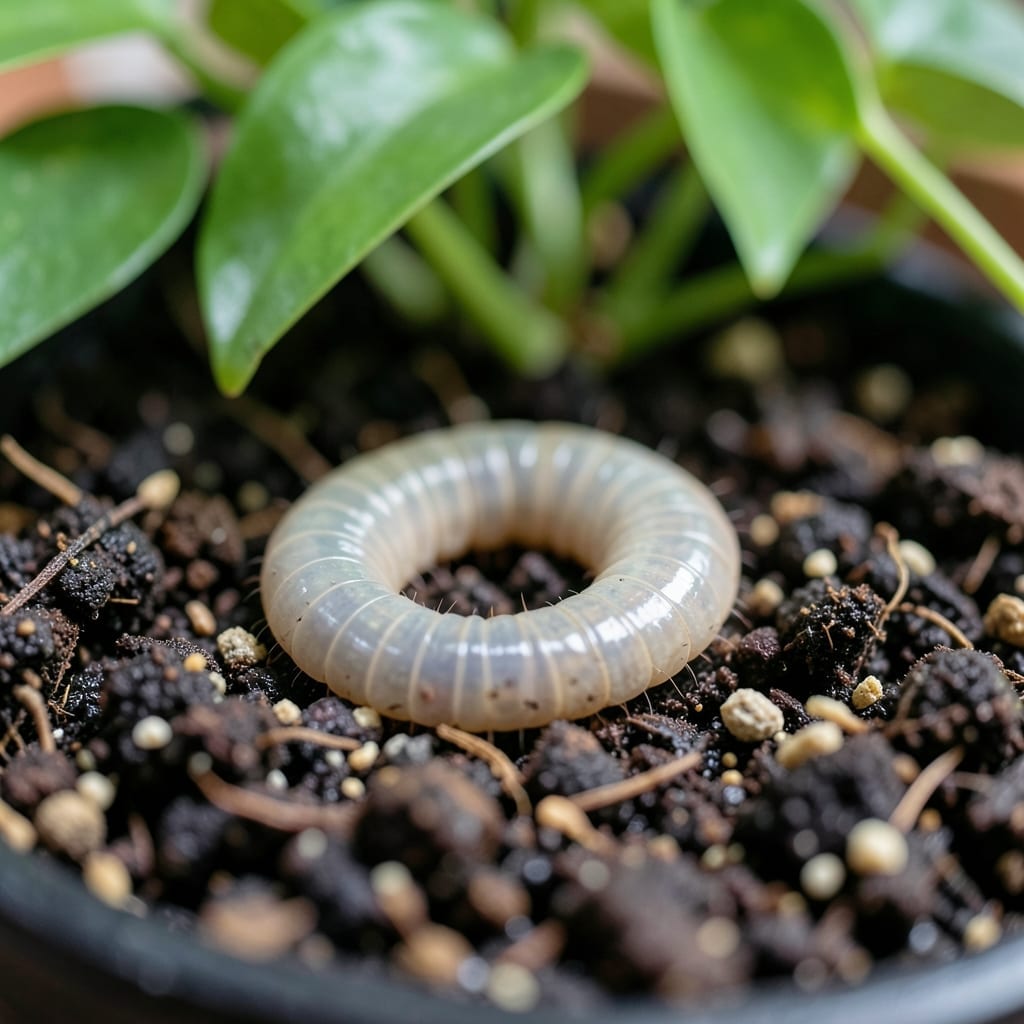
I spotted tiny white threads in my snake plant‘s soil last week. 🌱 Turns out, not all worms are created equal—some are soil superheroes, others are root wreckers.
Identifying what’s squirming in your pots is the first step. Most are harmless or even beneficial, breaking down organic matter into plant food. But a few types can multiply fast and damage roots if left unchecked.
Safe removal doesn’t mean chemicals. I’ve had success with simple fixes like repotting, drying the soil, or introducing beneficial nematodes. The key is acting before they spread to other plants.
Healthy soil means healthy plants. This guide helps you tell friend from foe and keep your leafy friends thriving without the drama.
Worms in your houseplant soil can be unsettling, but they often appear for specific, preventable reasons. Understanding these causes helps you address the issue effectively and keep your plants thriving.
Excess moisture is the most common cause of worms in potted plants. Overwatering creates a damp environment that attracts fungus gnats and potworms, which thrive in soggy soil. These pests lay eggs in the moist medium, leading to an infestation. Poor drainage or pots without drainage holes exacerbate the problem by trapping water.
Worms, especially white worms like potworms or red wigglers, are drawn to organic-rich soils. If your potting mix contains uncomposted materials (e.g., leaf litter, manure, or food scraps), it becomes a buffet for decomposers. Even high-quality compost can introduce worm eggs if not properly sterilized.
Using unsterilized garden soil or reused potting mix is a surefire way to invite worms. Many commercial soils contain dormant eggs or larvae. Similarly, shared gardening tools, pots, or trays can transfer pests from one plant to another. Always sterilize tools and use fresh, sterile potting mix to avoid contamination.
Houseplants moved outdoors—even briefly—are vulnerable to worm infestations. Wind, rain, or insects can carry eggs or larvae into the soil. Earthworms from garden soil may also hitch a ride on shoes or pets, burrowing into potted plants. Keep outdoor plants elevated and inspect them thoroughly before bringing them inside.
Worms in your houseplant soil can range from harmless to harmful, but the right approach ensures your plant stays healthy. Below are targeted solutions for common worm types, along with prevention tips to keep them from returning.
If you spot tiny, dark worms or flying gnats, they’re likely fungus gnat larvae. Let the top 1-2 inches of soil dry completely between waterings—larvae can’t survive in dry conditions. For severe infestations, use yellow sticky traps to catch adults and hydrogen peroxide (1 part 3% peroxide to 4 parts water) to kill larvae on contact. Prevention tip: 💡 Avoid overwatering and use well-draining potting mixes.
These harmless but unsightly worms thrive in overly moist, organic-rich soil. Remove the plant, rinse roots gently, and repot in fresh, sterile potting soil. Discard the old soil to prevent reinfestation. Prevention tip: ✨ Use pasteurized soil for new plants and ensure pots have drainage holes.
Microscopic nematodes can damage roots, causing wilting or stunted growth. Solarize the soil by placing the pot in direct sunlight under a clear plastic bag for 4-6 hours to kill pests with heat. Alternatively, apply neem oil (mix 1 tsp oil + 1 tsp dish soap per gallon of water) as a soil drench. Prevention tip: 🎯 Rotate plants and avoid reusing soil from infested pots.
If you find thick, segmented earthworms, they’re likely beneficial! Move them to your garden or compost—they aerate soil but may compete with roots in containers. Prevention tip: 🌡️ Use sterilized potting soil to avoid accidental hitchhikers.
Most white worms, like potworms, are harmless decomposers. They break down organic matter but won’t damage healthy roots. However, if they multiply excessively, repot in fresh soil to restore balance.
Use sterilized potting mix and ensure pots have drainage holes. Avoid overwatering and never use garden soil. Inspect new plants before introducing them to your collection.
Dish soap can harm plants and may not eliminate all worms. Instead, use hydrogen peroxide (1 part 3% to 4 parts water) for larvae, or repot with fresh soil for a thorough solution.
Yes, they can spread through shared tools, water, or proximity. Isolate infested plants and clean tools with rubbing alcohol. Always use separate trays to prevent cross-contamination.