
Beautiful Plants For Your Interior
Beautiful Plants For Your Interior
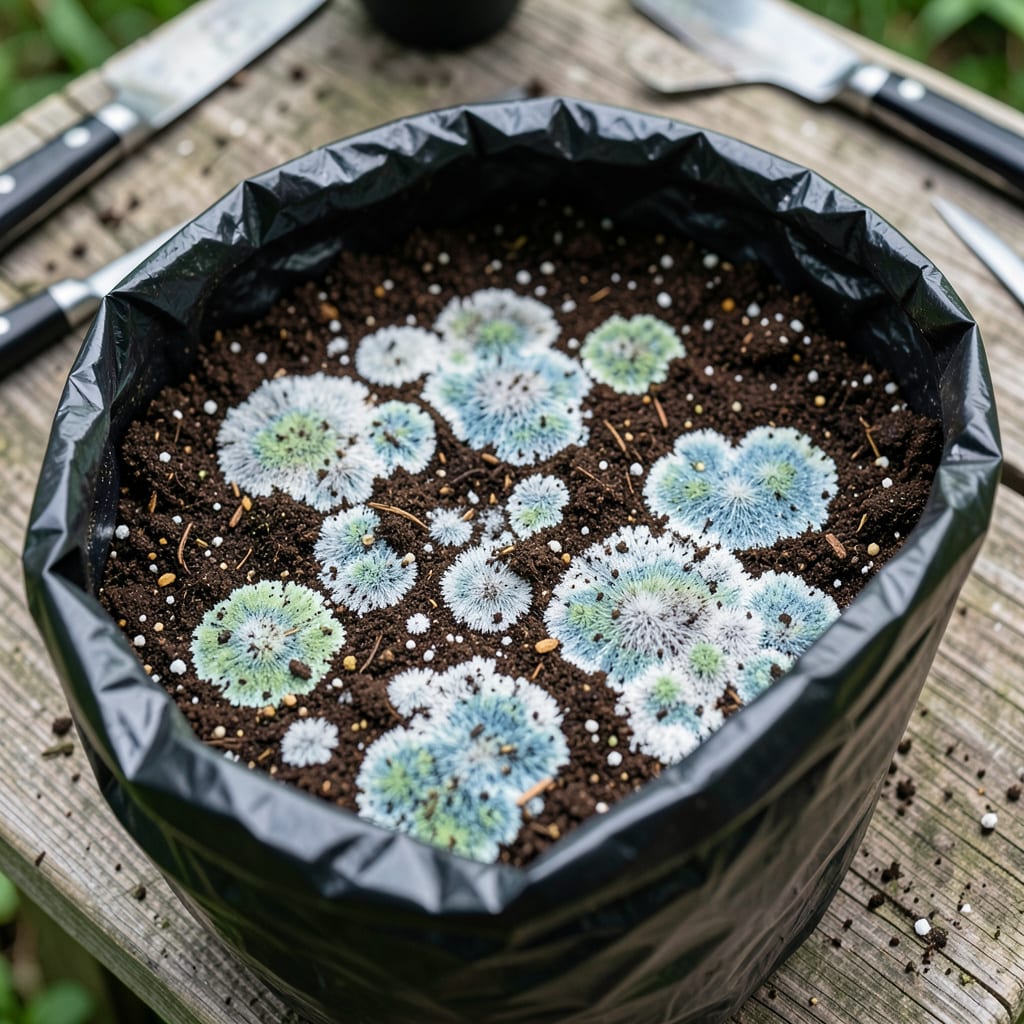
That white fuzz in your potting soil bag isn’t always a death sentence. I’ve opened plenty to find mold staring back at me, and most times it’s harmless—just nature doing its thing in a sealed, moist environment.
The real problem starts when that mold hitches a ride to your plants. Healthy soil should smell earthy, not sour, and the good news is you can usually salvage both the soil and your green babies with a few simple steps.
I learned the hard way that prevention is easier than cure. Store bags in a dry spot, seal them tightly after opening, and always check for moisture before using. These small habits save more soil than you’d think.
What you end up with is clean, usable soil and plants that never knew there was a problem. Here’s how to spot the difference between friend and foe in your gardening supplies.
Mold growth in sealed potting soil bags is a common issue, often triggered by specific environmental and storage conditions. Below are the primary causes, explained with actionable insights.
Potting soil bags are not completely airtight, but they do trap humidity. If the soil was damp when packaged or exposed to high humidity during storage, moisture accumulates. Mold spores—naturally present in organic matter—thrive in these damp, low-oxygen environments. Solution: Store bags in a dry, well-ventilated area and avoid leaving them in humid spaces like basements or garages.
Stagnant air accelerates mold growth. When bags are stacked tightly or stored against walls, airflow is restricted, allowing condensation to form inside. Solution: Elevate bags on pallets or shelves and leave space between them to promote circulation.
Heat speeds up microbial activity. Potting soil stored in warm environments (above 70°F/21°C) provides an ideal breeding ground for mold. Solution: Keep soil in a cool, shaded area, away from direct sunlight or heat sources like furnaces.
The longer a bag sits unused, the higher the chance of mold development. Organic components in the soil decompose over time, releasing moisture and nutrients that feed mold. Solution: Use soil within 1–2 years of purchase, and inspect bags periodically for early signs of mold.
Mold in your potting soil bag doesn’t mean you have to toss it out. With a few simple steps, you can salvage the soil and prevent future growth. Here’s how to tackle the most common issues:
If the mold is due to dampness, spread the soil on a clean, dry surface (like a baking sheet or tarp) in direct sunlight. Stir it occasionally to ensure even drying. For smaller batches, a microwave can work: heat the soil in 1-minute intervals, stirring between each, until dry. Prevention tip: 💡 Store bags in a cool, dry place and seal them tightly after opening.
If the mold stems from decomposing organic material, fluff the soil with a fork to improve airflow. For potted plants, repot the plant in fresh soil, discarding the moldy mix. Prevention tip: ✨ Use sterilized potting soil and avoid overpacking bags to allow airflow.
For stubborn mold, mix a solution of 1 part hydrogen peroxide (3%) to 4 parts water and lightly mist the soil. Alternatively, sprinkle cinnamon—a natural antifungal—over the soil surface. Prevention tip: 🎯 Add a layer of sand or perlite to the top of the soil to discourage mold growth.
If the bag was stored in a humid or warm area, move it to a well-ventilated space. Consider transferring the soil to a breathable container, like a fabric pot or open bin. Prevention tip: 🌡️ Keep soil bags off concrete floors, which can wick moisture into the bag.
With these fixes, your potting soil can be mold-free and ready to nurture healthy plants!
Most white mold is harmless, but avoid using heavily infested soil. If it smells earthy, it’s likely safe. If it smells sour or rotten, discard it.
For light mold, spread it out to dry in sunlight for 24-48 hours before use. For severe cases, mix with fresh soil or use natural fungicides like cinnamon.
Keep bags sealed in a cool, dry place with good airflow. Avoid concrete floors and humid areas like basements.
Yes! Spread soil on a baking sheet and bake at 200°F for 30 minutes to sterilize. Let it cool completely before using.
