
Beautiful Plants For Your Interior
Beautiful Plants For Your Interior
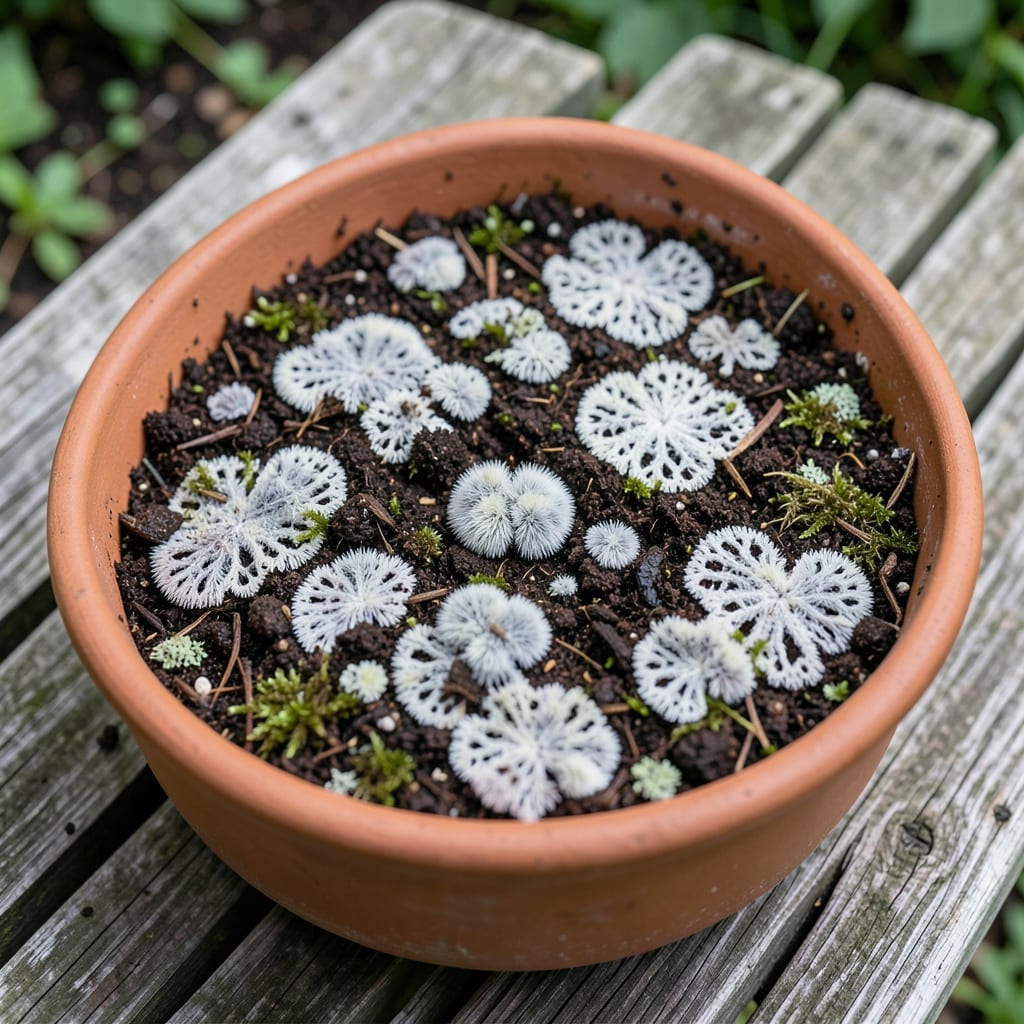
White fuzz on your soil isn’t a death sentence. I’ve seen gardens bounce back within 48 hours using simple fixes that don’t involve harsh chemicals.
Mold thrives in damp, dark conditions, so improving airflow and drainage is half the battle. Most cases clear up with sunlight, better watering habits, and a sprinkle of cinnamon or baking soda.
Your plants will thank you as the mold disappears and roots breathe easier. The soil stays healthy, and you avoid the stinky, slimy mess that comes with neglect.
Works for containers, raised beds, or in-ground gardens. The solution is faster than you think.
Mold thrives in garden soil under specific conditions, often signaling an imbalance in your garden’s ecosystem. Understanding these causes helps you address the root of the problem effectively.
Mold spores flourish in damp environments. Overwatering, poor drainage, or high humidity can create the perfect breeding ground. Soils that retain too much moisture—especially clay-heavy or compacted soils—prevent proper aeration, trapping water and encouraging fungal growth. Action: Improve drainage by adding organic matter like compost or using raised beds.
While organic material enriches soil, an excess of undecomposed matter (like fresh mulch or un-composted leaves) provides a food source for mold. This is common in gardens with thick layers of mulch or where plant debris isn’t cleared regularly. Action: Balance organic additions with proper decomposition time and turn the soil to promote airflow.
Stagnant air traps moisture and limits the soil’s ability to dry out. Dense plantings, low-lying areas, or gardens surrounded by walls/fences often suffer from limited airflow. Action: Space plants appropriately, prune dense foliage, and consider using a fan in greenhouses or enclosed spaces.
Mold spores activate and spread rapidly in warm conditions (70–90°F). Combined with moisture, heat accelerates fungal growth. Shaded areas or gardens in humid climates are particularly vulnerable. Action: Use shade cloths to regulate soil temperature and water early in the day to allow surfaces to dry.
Mold in your garden soil doesn’t have to be a lost cause. With the right approach, you can restore balance and keep your plants thriving. Here’s how to tackle the most common causes and prevent future outbreaks.
If your soil stays soggy, mold will thrive. Start by reducing watering frequency and letting the top inch of soil dry out between waterings. For heavy clay soil, mix in coarse sand or perlite to boost drainage. Raised garden beds can also help prevent waterlogging. Pro tip: 💡 Water in the morning so excess moisture evaporates during the day.
Decaying leaves, grass clippings, and plant residue feed mold spores. Remove visible debris and turn the soil with a garden fork to increase airflow. Add a thin layer of compost (no more than 1 inch) to encourage healthy microbial activity without smothering the soil. Prevention tip: ✨ Avoid piling mulch directly against plant stems.
Dense plantings trap humidity and block airflow. Thin out overcrowded plants and prune low-hanging branches to let light and air reach the soil. If you’re growing in containers, ensure they have adequate drainage holes and elevate them off the ground. Pro tip: 🎯 Group plants with similar water needs together to avoid overwatering some while underwatering others.
Mold loves acidic soil. Test your soil’s pH with a home kit—if it’s below 6.0, add garden lime to raise the pH. Follow package instructions for application rates, and retest after a few weeks. Prevention tip: 🌡️ Mix in crushed eggshells periodically for a slow-release calcium boost.
By addressing the root causes and adopting these simple habits, you’ll create a healthier, mold-resistant garden environment.
Most surface mold won’t kill plants, but it competes for nutrients and can stunt growth. Severe cases may lead to root rot or attract pests. Remove visible mold and improve soil conditions immediately.
Yes, after treating it. Spread soil in sunlight for 24-48 hours to dry and kill spores, or mix in 1 tablespoon baking soda per gallon of water. Reuse only if mold doesn’t return within a week.
Sprinkle ground cinnamon or diatomaceous earth directly on affected areas. Both are natural fungicides. Reduce watering and increase airflow for best results.
A 1:10 vinegar-to-water solution can help, but use sparingly. Vinegar may alter soil pH, so test on a small area first and rinse after 30 minutes.
