
Beautiful Plants For Your Interior
Beautiful Plants For Your Interior
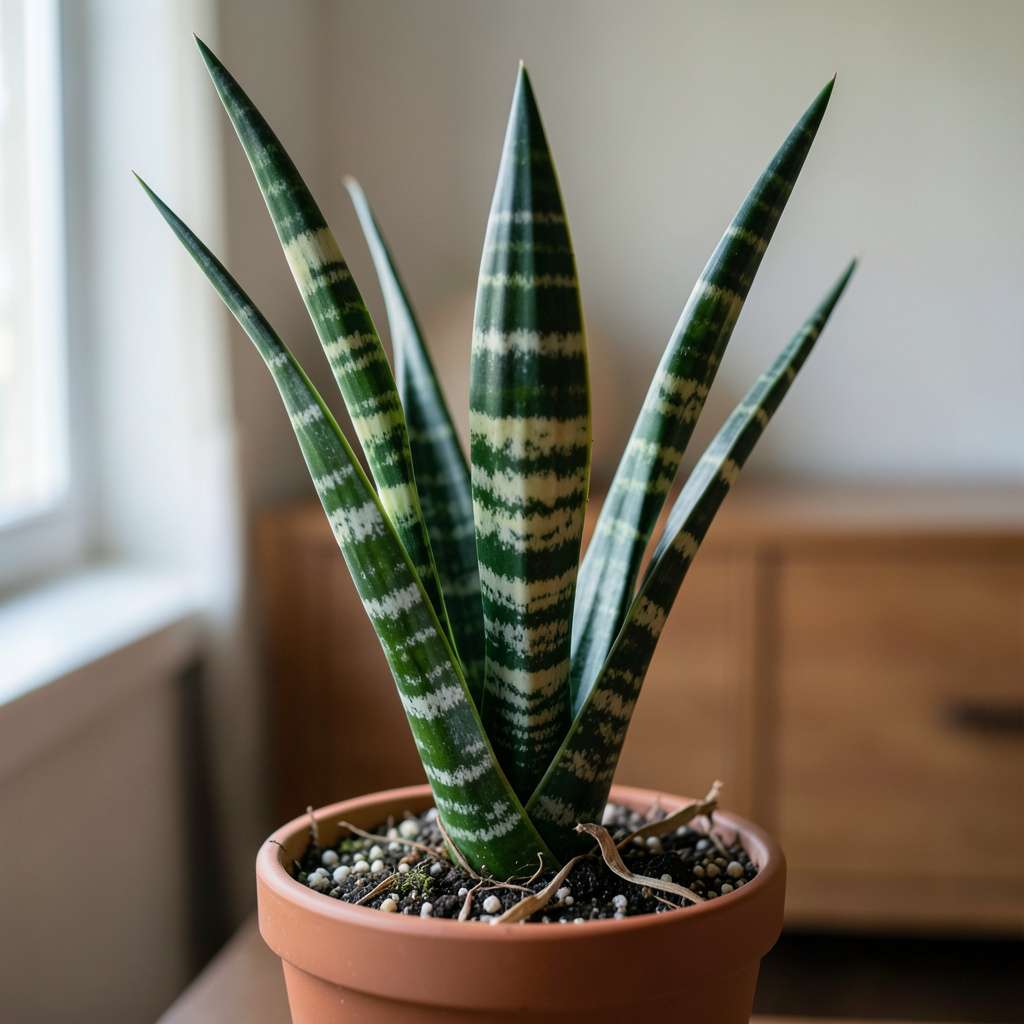
White patches on snake plants usually indicate overwatering, fungal infections, or excessive sunlight. Check soil moisture first—let it dry completely between waterings. Move to indirect light and trim damaged leaves to prevent spread.
I’ve seen this issue countless times in my own garden—those white patches often start as small spots before spreading rapidly if ignored. 🌱 The problem usually begins at the roots: soggy soil creates the perfect breeding ground for fungi like powdery mildew, while direct sunlight can literally bleach the leaves like fabric in the sun. What many don’t realize is that snake plants store water in their leaves, so they’re far more susceptible to rot than drought. The key is catching it early before the damage becomes irreversible.
💡 In This Article
When your snake plant’s leaves start showing white patches, it’s often a distress signal from the plant’s internal systems. The most common culprit is overwatering, which creates anaerobic conditions in the soil. Snake plants (Sansevieria) store water in their thick leaves, so they only need watering every 2-3 weeks in most conditions.
When roots sit in soggy soil for more than 48 hours, they begin to rot, cutting off nutrient transport to the leaves. This stress manifests as white, mushy patches that often feel soft to the touch. 💧
The white discoloration can also come from powdery mildew, a fungal infection that thrives in humid conditions above 60% relative humidity. This fungus creates a white, powdery coating on leaves as it spreads. Unlike sun bleaching (which affects only sun-exposed areas), powdery mildew typically starts on lower leaves where air circulation is poor.
I’ve seen cases where the fungus spread from one infected plant to others within 3-5 days in high-humidity environments. The spores travel through air currents and water droplets. ✨
Direct sunlight causes a different type of whitening through a process called photooxidation. When snake plant leaves receive more than 2-3 hours of direct midday sun, the chlorophyll breaks down. This creates bleached patches that feel dry and papery compared to the healthy, firm portions of the leaf.
The damage is permanent, but moving the plant to bright, indirect light (about 10,000 lux) prevents further bleaching. North-facing windows or spots 3-5 feet from east/west windows work best. 🔥
Nutrient deficiencies can also contribute to white patches, particularly calcium or magnesium shortages. These minerals are crucial for cell wall structure and chlorophyll production. When lacking, new growth often appears pale or white while older leaves develop yellow edges. A simple soil test (available at garden centers for about $10-15) can confirm deficiencies.
Snake plants prefer slightly acidic soil (pH 6.0-7.0) where these nutrients remain available. 🌱
The location of white patches tells you a lot about the cause:
What surprises many gardeners is how quickly these issues progress.
A small white spot from sunburn might stay contained, but fungal infections can double in size every 24-48 hours in warm, humid conditions. The plant’s natural defenses weaken when stressed, making it more vulnerable to secondary infections. That’s why immediate action—like isolating the plant and adjusting care—is so critical for recovery. 💫
Snake plants thrive on neglect when it comes to watering. Stick your finger 2 inches deep into the soil—only water when it feels completely dry. This usually means every 2-3 weeks in average home conditions. Overwatering is the #1 cause of white patches, so when in doubt, wait another week.
Unfortunately, once leaves develop white patches, the damage is permanent. However, new growth will emerge healthy if you address the underlying issue. Focus on proper care—correct watering, good light, and clean leaves—to encourage fresh, green leaves to replace the damaged ones.
Place your plant 3-5 feet from an east or north-facing window for ideal indirect light. Avoid south/west windows unless filtered with sheer curtains. If natural light is limited, use LED grow lights 12-18 inches above the plant for 12-14 hours daily during recovery.
Sun damage creates dry, papery white patches only on sun-exposed areas. Fungal infections (like powdery mildew) appear as soft, powdery white coatings, often starting on lower leaves. Check humidity levels—fungus thrives above 60% humidity, while sunburn occurs in direct light.
Only remove leaves with more than 30% white coverage—these won’t recover. For minor spots, try treating first with a milk/water solution (1:9 ratio). Always use sterilized tools to prevent spreading infection when pruning. Healthy portions of partially affected leaves can still photosynthesize.
