
Beautiful Plants For Your Interior
Beautiful Plants For Your Interior
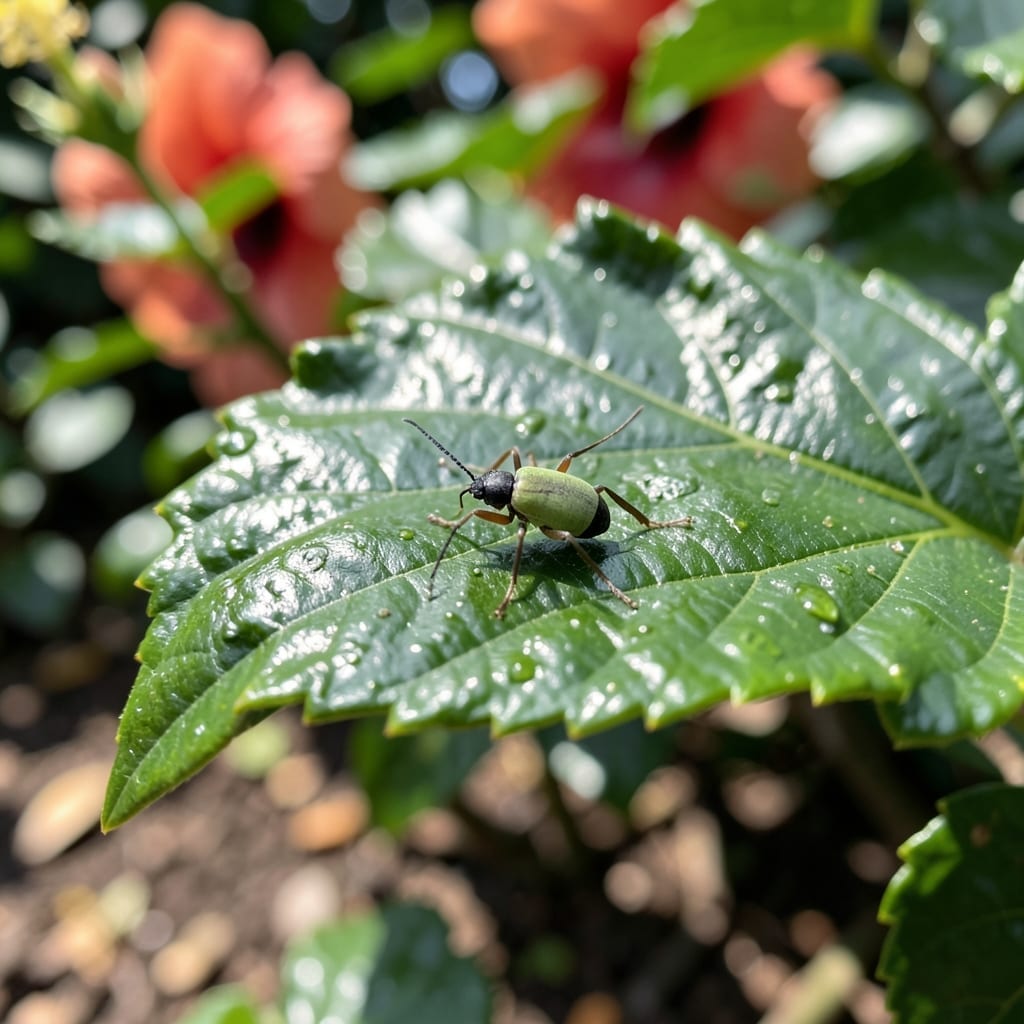
I noticed my hibiscus leaves curling last summer—tiny green invaders everywhere. Turns out aphids love these plants as much as we do. The good news? A homemade solution works better than anything from the store.
No harsh chemicals needed. A simple mix of water, soap, and a few pantry staples knocks them out within days. I’ve tested versions with neem oil, garlic, and even hot peppers—all effective, all safe for your blooms.
You’ll see results in 24-48 hours with regular application. The spray doesn’t just kill aphids—it deters them from coming back, so your hibiscus stays vibrant and healthy.
Works for potted plants, garden beds, or anywhere aphids appear. Here’s how to make it right the first time.
Aphids thrive on hibiscus plants due to a combination of environmental, biological, and cultural factors. Understanding these triggers helps you prevent infestations before they start.
Excess nitrogen in soil promotes soft, succulent new growth
—aphids’ favorite food. Hibiscus plants fertilized heavily with nitrogen-rich products (like fresh manure or synthetic lawn fertilizers) produce tender leaves that lack the tougher, waxy cuticles of mature foliage. This nutritional imbalance signals aphids to feed and reproduce rapidly. Action: Use a balanced, slow-release fertilizer (e.g., 10-10-10) and avoid over-application.Both drought and waterlogged roots stress hibiscus plants, weakening their natural defenses. Stressed plants release volatile organic compounds (VOCs) that attract aphids from miles away. Additionally, overwatering creates humid microclimates around the plant base, ideal for aphid colony establishment. Action: Water deeply but infrequently, allowing the top inch of soil to dry between sessions.
Aphids multiply unchecked when their natural enemies—like ladybugs, lacewings, and parasitic wasps—are absent. This often happens in sterile garden environments with heavy pesticide use or monoculture planting. Hibiscus grown in isolation (e.g., potted specimens on patios) are especially vulnerable. Action: Plant companion species (e.g., marigolds, dill) to attract beneficial insects and avoid broad-spectrum pesticides.
Aphids reproduce fastest in warm (70–80°F) and moderately humid (50–70%) conditions, typical of spring and early summer in many regions. Hibiscus’ lush, broad leaves provide ample shelter and moisture retention, accelerating aphid lifecycles (some species mature in just 7 days). Action: Monitor weather forecasts and inspect plants weekly during peak conditions.
When aphids invade your hibiscus, quick and natural solutions can restore your plant’s health. Here’s how to tackle each cause with simple, effective fixes:
Fix: Strengthen your hibiscus with a balanced, slow-release organic fertilizer. Avoid over-feeding, which attracts aphids. Use a homemade spray of diluted neem oil (1 tsp per liter of water) to deter pests while nourishing the plant.
Prevention: Fertilize sparingly—once every 4-6 weeks during growing season—and ensure good drainage to avoid stress.
Fix: Introduce beneficial insects like ladybugs or lacewings to your garden. A garlic-chili spray (blend 2 garlic cloves, 1 chili, and 1 liter of water, strain, and add a drop of dish soap) can repel aphids without harming their predators.
Prevention: Plant companion flowers like marigolds or alyssum to attract predator insects naturally.
Fix: Reduce watering and improve ventilation around your hibiscus. A soapy water spray (1 tsp mild liquid soap per liter of water) can smother aphids on contact—spray directly on leaves, especially undersides.
Prevention: Water at the base of the plant, not the leaves, and space plants to allow airflow. Prune dense foliage to reduce humidity.
Fix: Switch to a stronger homemade spray, like a vinegar solution (1 part white vinegar to 3 parts water, plus a few drops of dish soap). Test on a small leaf area first to avoid burning.
Prevention: Rotate sprays weekly (e.g., alternate neem oil with soapy water) to prevent aphids from building resistance.
💡 Pro Tip: Always spray in the early morning or late evening to avoid leaf burn from the sun.
Apply every 3-5 days until the infestation clears, then weekly for prevention. Consistency is key—aphids reproduce quickly, so don’t skip applications.
Yes, but use a mild liquid soap (like Castile). Mix 1 teaspoon per 1 liter of water. Avoid soaps with degreasers or additives that may harm the plant.
Neem oil and soapy water are safe when used correctly. Spray in the evening when bees are less active, and avoid the blooms directly. Always prioritize pollinator safety.
Early morning or late evening is ideal. This prevents leaf burn from sun exposure and ensures the spray stays on the plant longer. Avoid midday heat.