
Beautiful Plants For Your Interior
Beautiful Plants For Your Interior
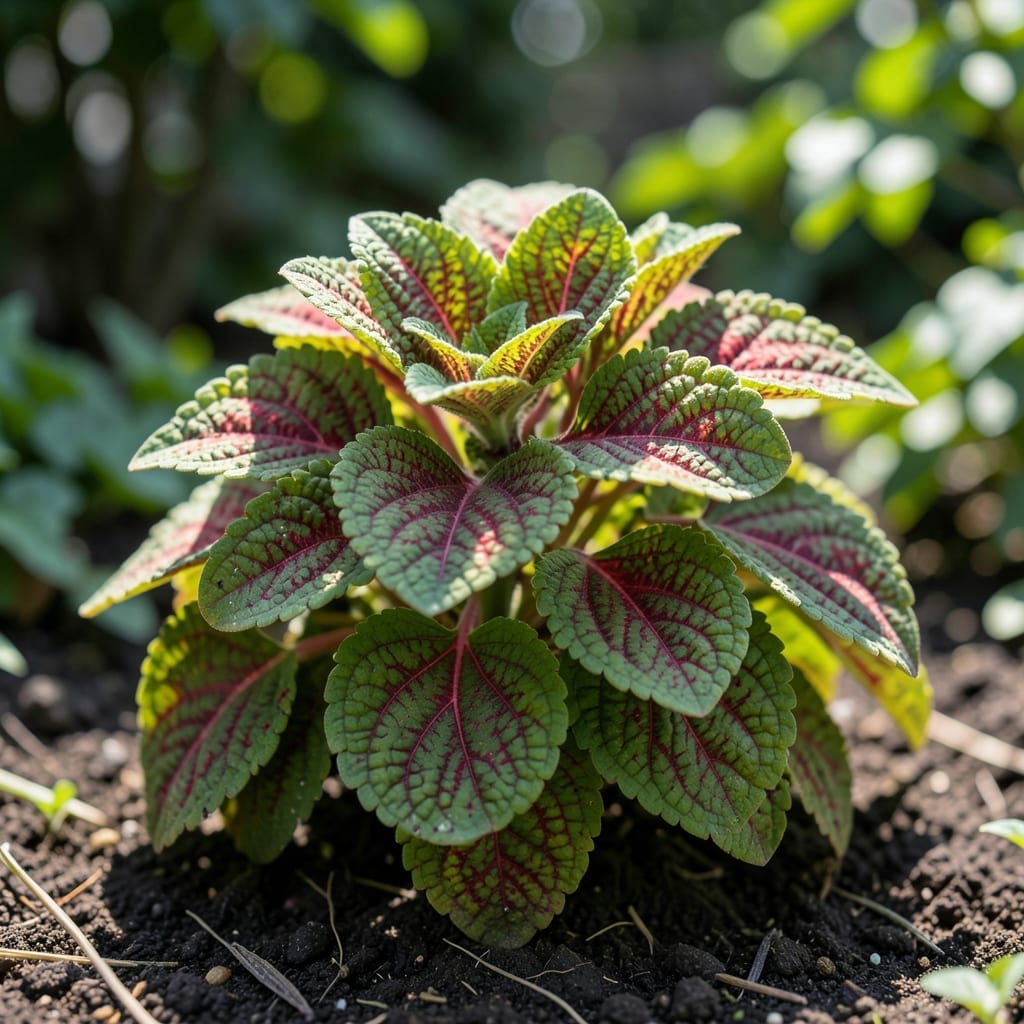
Red veins on green leaves caught my eye last week in my own garden. 🌱 It’s not just a color quirk—it’s often a plant crying for help, usually from nutrient shortages or hidden pests.
I’ve seen this pattern before with iron or magnesium deficiencies, or when spider mites start their silent attack. The leaves look dramatic, but the fix is usually straightforward once you know what you’re dealing with.
After a little digging, I realized my soil pH was off, locking out the nutrients my plants needed. Adjusting it brought the vibrant green back within 2 weeks.
Don’t ignore this sign—your plants are speaking, and they’re worth listening to. Here’s how to decode the message.
The striking contrast of a green leaf with red veins often signals an underlying issue in your plant’s health. Here are the most common causes, explained with actionable insights:
Red veins in green leaves frequently point to a phosphorus or magnesium deficiency. Phosphorus supports energy transfer in plants, and its lack can cause purplish-red discoloration in veins, especially in older leaves. Magnesium, a central component of chlorophyll, may lead to interveinal reddening when deficient. Fix it: Use a balanced fertilizer or amend soil with bone meal (for phosphorus) or Epsom salts (for magnesium).
Extreme temperatures, particularly cold snaps, can disrupt chlorophyll production, causing leaves to develop red veins. Some plants, like Coleus or Poinsettias, naturally exhibit red veins in cooler conditions, but sudden stress can exaggerate this. Fix it: Move potted plants indoors or provide frost protection, and maintain consistent temperatures.
Excess water suffocates roots, limiting their ability to absorb nutrients like iron and manganese. This can trigger vein reddening, especially in younger leaves. Fix it: Ensure pots have drainage holes, use well-draining soil, and water only when the top inch of soil is dry.
Pathogens such as Phytophthora or bacterial leaf spot can disrupt nutrient flow, leading to localized red veins. Look for accompanying spots or wilting. Fix it: Remove affected leaves, improve air circulation, and apply copper-based fungicides if needed.
Some plants, like Red Vein Prayer Plants (Maranta leuconeura), naturally have red veins due to selective breeding. If the rest of the plant looks healthy, no action is needed—it’s just part of its charm!
If your plant’s leaves are turning green with red veins, don’t panic—there are clear fixes for the most common causes. Below are actionable solutions, organized by problem, along with prevention tips to keep your foliage vibrant.
Red veins often signal a magnesium or phosphorus shortage. Use a balanced liquid fertilizer (10-10-10 or 20-20-20) and apply it every 2–4 weeks during the growing season. For a quick fix, try Epsom salt (1 tablespoon per gallon of water) as a foliar spray to boost magnesium. Prevention tip: 💡 Test your soil annually and amend it with compost before planting.
Soggy roots restrict nutrient uptake, leading to discoloration. Let the top 1–2 inches of soil dry out between waterings. Ensure pots have drainage holes, and use a well-draining potting mix. Prevention tip: 🌡️ Stick your finger in the soil—if it’s damp below the surface, hold off on watering.
Too much direct sunlight can scorch leaves, while too little causes weak growth. Move your plant to a spot with bright, indirect light (east or north-facing windows are ideal). For outdoor plants, provide partial shade during peak afternoon hours. Prevention tip: ✨ Rotate potted plants weekly for even light distribution.
Spider mites and aphids sap nutrients, triggering red veining. Wipe leaves with a soapy water solution (1 tsp mild soap per quart of water) or spray with neem oil (follow label instructions). Prevention tip: 🎯 Inspect leaves regularly, especially the undersides, and isolate new plants for 2 weeks before introducing them to others.
With these targeted fixes, your plant’s leaves should return to a healthy green. Consistency in care is key—stay observant and adjust as needed!
Not always! Some plants, like prayer plants, naturally have this look. If the rest of the plant seems healthy, it may just be part of its charm.
With proper treatment, you should notice changes within 1-2 weeks. Nutrient deficiencies often resolve fastest, while pest issues may take slightly longer.
Check your watering habits first. Overwatering is a common culprit. Let the top 1-2 inches of soil dry out between waterings.
Yes, but opt for a balanced liquid fertilizer (like 10-10-10). For magnesium, add Epsom salt as a supplement.