
Beautiful Plants For Your Interior
Beautiful Plants For Your Interior
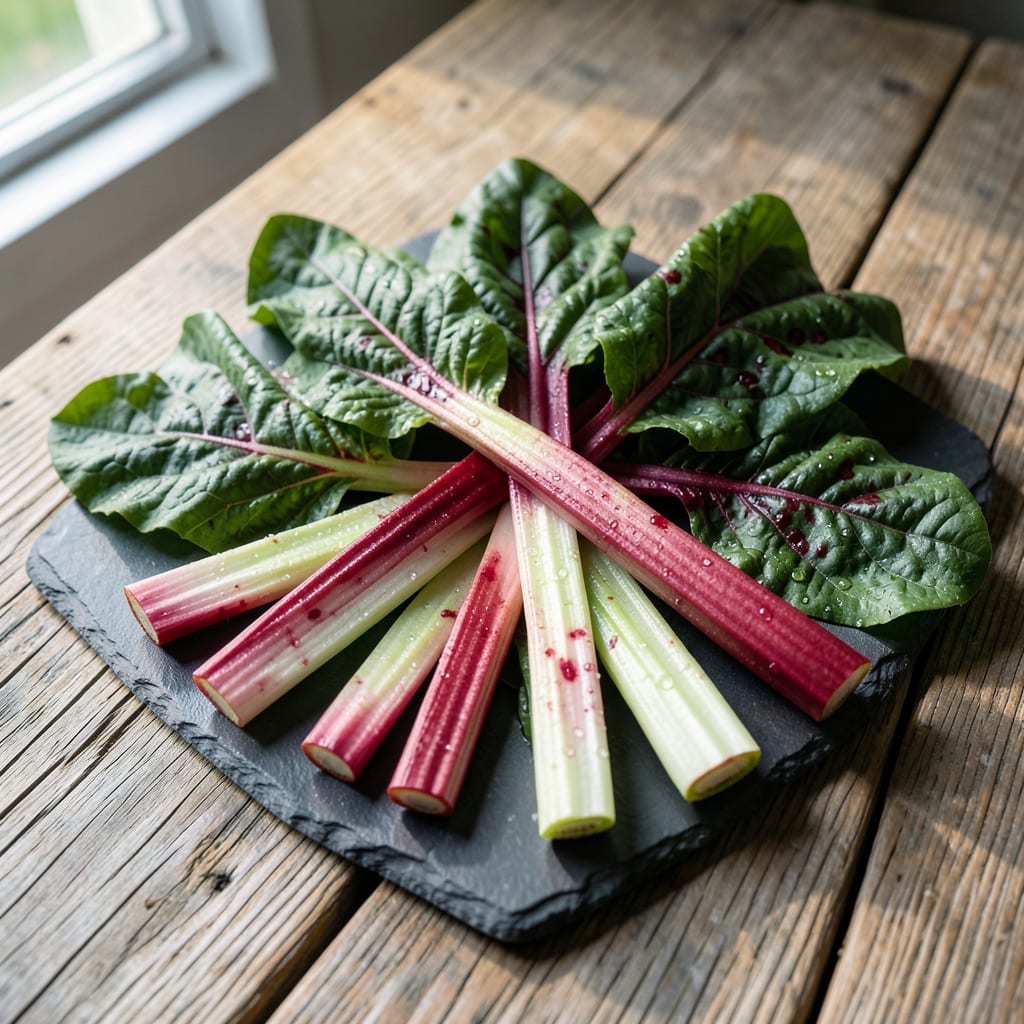
Red spots on your rhubarb leaves aren’t just unsightly—they’re a warning sign. I’ve seen entire patches struggle when this issue goes unchecked, but the good news is it’s often fixable with early action.
Most cases trace back to fungal infections or environmental stress, though pests can play a role too. The key is identifying the pattern: are spots concentrated on older leaves? Do they have yellow halos? These details point to different solutions.
With the right approach, you can stop the spread within 7-10 days and restore your plants to their vigorous, deep-green state. Organic treatments work surprisingly well here, and prevention is simpler than you’d think.
Works for both established plants and new plantings. Here’s how to diagnose and treat it properly.
Red spots on rhubarb leaves often signal underlying stress or disease. Here are the most common causes, explained with actionable insights:
Fungi thrive in wet, humid conditions, producing circular red-brown spots with yellow halos. Spores spread via water splash or contaminated tools. Prevent spread by removing infected leaves, improving airflow, and avoiding overhead watering.
Extreme heat, drought, or frost can trigger anthocyanin buildup—a red pigment—causing blotchy spots. Rhubarb prefers cool temps (60–75°F). Mulch heavily to regulate soil temperature and retain moisture.
Sap-sucking pests like aphids or mites create tiny red lesions as they feed. Check leaf undersides for clusters. Blast off pests with water or apply neem oil for organic control.
Magnesium or phosphorus shortages may cause red discoloration. Test soil pH (ideal: 6.0–6.8). Amend with compost or organic fertilizers high in these nutrients.
Herbicide drift or synthetic fertilizers can burn foliage, leaving red-scored spots. Rinse leaves immediately if exposure is suspected and switch to organic treatments.
Red spots on rhubarb leaves can often be managed with simple, organic solutions. Below are targeted fixes based on the most common causes, along with prevention tips to keep your plants healthy.
Fix: Remove and destroy affected leaves immediately to prevent the fungus from spreading. Apply a copper-based fungicide or a homemade spray made from 1 teaspoon of baking soda mixed with 1 quart of water and a few drops of dish soap. Spray every 5–7 days until the issue resolves.
Prevention: Improve air circulation by spacing plants properly. Water at the base of the plant (not the leaves) and avoid overhead watering, especially in the evening. 💡 Pro Tip: Mulch with straw to reduce soil splashing onto leaves.
Fix: Blast pests off with a strong stream of water, or use insecticidal soap or neem oil (mix 1 tablespoon of neem oil with 1 gallon of water and a teaspoon of dish soap). Reapply every 4–5 days until pests are gone.
Prevention: Encourage beneficial insects like ladybugs by planting companion flowers (e.g., marigolds or yarrow). Inspect leaves regularly for early signs of infestation.
Fix: Provide temporary shade during peak afternoon hours using a shade cloth or by strategically placing a tall companion plant. Ensure the soil stays consistently moist (but not waterlogged) to help the plant recover.
Prevention: Plant rhubarb in a spot with partial shade, especially in hotter climates. Keep the soil mulched to retain moisture and regulate temperature. ✨ Pro Tip: Avoid fertilizing during heatwaves, as this can stress the plant further.
Fix: Amend the soil with compost or well-rotted manure to replenish nutrients. For a quick boost, apply a balanced organic fertilizer or a foliar spray of Epsom salt (1 tablespoon per gallon of water) for magnesium deficiency.
Prevention: Test your soil every 2–3 years to monitor nutrient levels. Rotate crops and enrich the soil annually with organic matter.
Not always. They can stem from fungal infections, but also environmental stress or pest damage. Check for patterns—yellow halos often indicate fungus, while random spots may signal stress.
Only the stalks are edible—leaves are toxic regardless of spots. If the stalks appear healthy, they’re safe to harvest. Discard any stalks showing signs of rot or severe damage.
Organic fungicides or pest treatments typically show improvement in 7-10 days. Remove affected leaves immediately to speed up recovery. Consistency is key for full results.
Fungal spores can spread via water or wind. Isolate affected plants and avoid overhead watering. Clean tools between uses to prevent contamination.
