
Beautiful Plants For Your Interior
Beautiful Plants For Your Interior
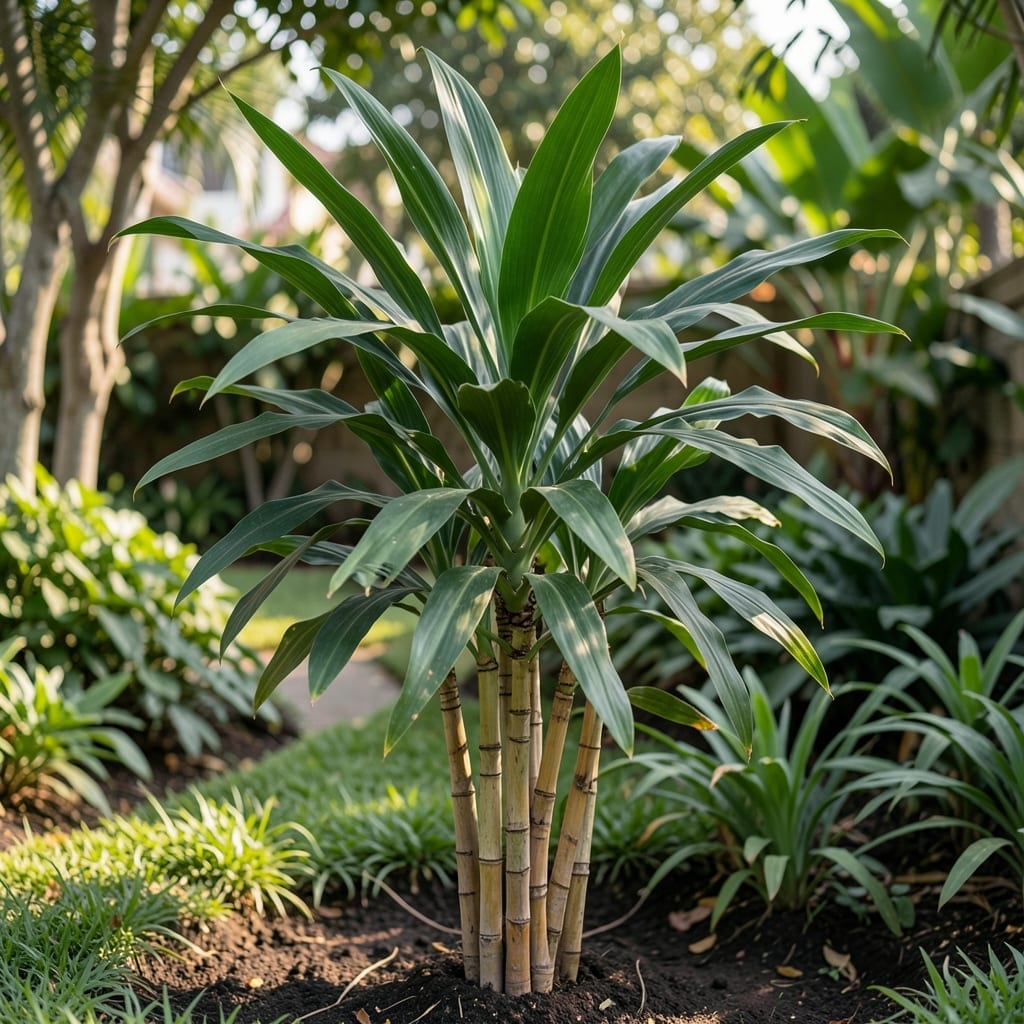
Those bold, glossy ginger tree leaves catch the light like nothing else in my garden. I fell for this plant the first time I saw how its foliage creates tropical drama with almost no effort from me.
What surprised me most was how forgiving it is—basic soil, moderate water, and partial shade keep the leaves vibrant and healthy year-round. The secret is consistent moisture without soggy roots.
📚 In This Guide
Here’s the simple method I use to keep ginger tree foliage lush and vibrant with almost no effort.
Ginger trees thrive in partial to full shade, making them perfect for spots where other plants struggle. I always look for an area with well-draining soil that stays consistently moist but never soggy. Morning sun with afternoon shade works well in most climates.
If you’re planting in a container, select one that’s at least 18 inches wide to give the roots room to spread. The container should have multiple drainage holes to prevent water from pooling at the bottom, which can rot the roots.
When planting multiple ginger trees, space them 3-4 feet apart to allow for their wide, spreading foliage. Dig a hole that’s about twice as wide as the root ball but no deeper. Planting too deep can suffocate the roots and lead to poor growth.
After placing the plant in the hole, backfill with native soil and press down gently to remove air pockets. Water thoroughly to help settle the soil around the roots. You’ll know it’s properly settled when the soil level remains stable after watering.
Ginger trees prefer consistently moist soil, so I water mine when the top inch of soil feels dry to the touch. During hot, dry spells, this might mean watering every 2-3 days. In cooler weather, you can stretch this to once a week.
Avoid overhead watering to prevent fungal issues. Instead, water at the base of the plant, directing the stream to the soil. If you notice the leaves starting to brown at the tips, it’s often a sign of underwatering—adjust your schedule accordingly.
Apply a 2-3 inch layer of organic mulch around the base of the plant, keeping it a few inches away from the stem to prevent rot. Mulch helps retain moisture, which is especially important for ginger trees, and it also suppresses weeds that can compete for nutrients.
I use shredded bark or compost as mulch, which also adds nutrients to the soil as it breaks down. Renew the mulch layer every 6 months or as needed to maintain the depth. You’ll see fewer weeds and healthier soil over time.
Ginger trees aren’t heavy feeders, but they do benefit from a light application of balanced, slow-release fertilizer in early spring. I use a 10-10-10 formula and apply it according to the package instructions, usually every 8-10 weeks during the growing season.
Over-fertilizing can lead to excessive leaf growth at the expense of the plant’s overall health. If the leaves start looking dark green and overly large, cut back on the fertilizer. The goal is steady, healthy growth, not rapid but weak expansion.
Here’s what I’ve learned about keeping ginger tree leaves vibrant with minimal fuss.
The Location Factor: Partial to full shade is non-negotiable for this plant. I learned the hard way that even a few hours of harsh afternoon sun can scorch those beautiful leaves. Morning sun with afternoon shade works perfectly, as mentioned in Step 1, and keeps foliage lush without stress.
Watering Wisdom: That 2-3 day watering schedule during hot spells from Step 3 is spot on. Trust me, ginger trees hate soggy roots as much as they hate dry soil. Stick your finger in the soil—if the top inch feels dry, it’s time to water. Brown leaf tips? That’s your plant telling you it’s thirsty.
Mulching Method: The 2-3 inch mulch layer in Step 4 isn’t just for looks. It’s your secret weapon against moisture loss and weeds. I use shredded bark and renew it every 6 months as suggested. Just remember to keep it a few inches from the stem—rot is a real risk if you don’t.
Fertilizing Finesse: Less is more with the 10-10-10 fertilizer in Step 5. Overdoing it leads to weak, leggy growth. If your leaves start looking like they’ve been hitting the gym (dark green and overly large), cut back. The 8-10 week schedule works perfectly for steady, healthy growth.
Ginger tree leaves may face fungal infections like leaf spot or powdery mildew, often due to excess moisture. Bacterial leaf blight and pests like aphids can also cause yellowing or browning. Ensure good airflow and avoid overwatering to prevent issues.
Act at the first sign of discoloration, spots, or wilting. Early intervention with fungicides or neem oil can stop the spread. Remove heavily infected leaves immediately to protect the rest of the plant.
Yes! Neem oil, baking soda sprays, or garlic-infused water can combat mild fungal or pest issues. These are eco-friendly and safe for most plants, but test on a small area first.
Yellowing leaves often indicate overwatering, poor drainage, or nutrient deficiencies (like nitrogen or iron). Check soil moisture and adjust watering. A balanced fertilizer may help restore vibrant green foliage.