
Beautiful Plants For Your Interior
Beautiful Plants For Your Interior
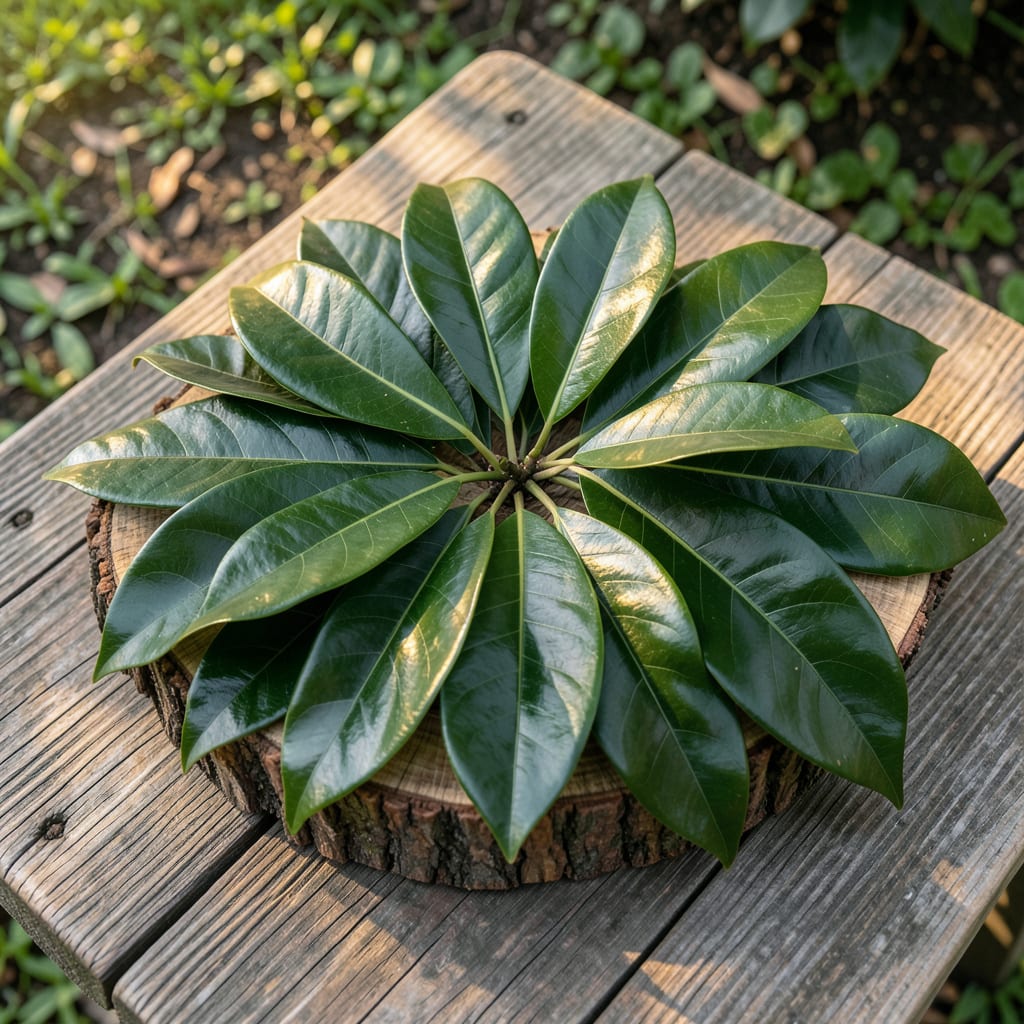
There’s something magical about Southern magnolia leaves—thick, glossy, and evergreen through every season. I fell for this tree the first time I saw its dark green foliage shining in winter sunlight.
Unlike deciduous trees, these leaves stick around year-round, providing constant beauty. They’re tough, resistant to pests, and handle heat better than most. The trick is giving them enough space to show off their full potential.
📚 In This Guide
Here’s the method I use to keep these evergreen leaves glossy and healthy throughout the year.
Southern magnolias thrive when the soil stays evenly moist but never waterlogged. I check the top 2-3 inches of soil weekly—if it feels dry to the touch, it’s time to water deeply. These trees have shallow root systems that suffer from both drought and oversaturation.
During summer heat, you may need to water 2-3 times per week, especially for younger trees. Mature specimens tolerate short dry spells better, but their leaves will show stress with brown edges if moisture drops too low. Always water at the base, avoiding the foliage to prevent fungal issues.
Spread a 3-4 inch layer of organic mulch like pine straw or wood chips around the base, keeping it 6 inches away from the trunk. This insulates the soil, maintains even moisture, and regulates temperature—critical for the magnolia’s sensitive root system.
Mulch also suppresses weeds that compete for nutrients. I refresh the layer annually in early spring, before the growing season begins. The decomposition of organic mulch adds valuable nutrients to the soil over time, which the magnolia’s glossy leaves will reflect in their deep green color.
Use a balanced, slow-release fertilizer in early spring, just as new growth begins. I apply 1-2 pounds of fertilizer per inch of trunk diameter, scattering it evenly under the tree’s canopy. Avoid high-nitrogen formulas, which can cause excessive leafy growth at the expense of the tree’s overall vigor.
Over-fertilizing leads to weak, susceptible foliage. If the leaves turn yellow between the veins, it often signals a magnesium deficiency—easily corrected with an Epsom salt solution. Always water thoroughly after fertilizing to help nutrients reach the root zone.
Prune in late winter or early spring, before new growth starts. Remove any dead, diseased, or crossing branches to improve airflow, which reduces fungal risks. I focus on thinning the canopy to allow sunlight to penetrate, which enhances the glossy appearance of the leaves.
Avoid heavy pruning, as magnolias don’t recover well from drastic cuts. The natural shape of the tree is part of its charm, and its evergreen leaves provide year-round interest. Sterilize pruning tools between cuts to prevent disease transmission.
Watch for yellowing leaves, which often indicate nutrient deficiencies or improper watering. Brown spots or leaf drop can signal fungal diseases like leaf spot. I treat affected trees with a copper-based fungicide at the first sign of trouble, applying it according to label instructions.
Regularly inspect the undersides of leaves for pests like scale or aphids, which can weaken the tree. A strong blast of water or insecticidal soap usually resolves minor infestations. Healthy trees with proper care rarely suffer severe pest or disease problems.
The details make all the difference when maintaining these evergreen leaves.
Moisture Monitoring: The weekly soil check at 2-3 inches depth is non-negotiable. I learned this the hard way after watching a young tree develop brown leaf edges from inconsistent watering. Younger trees especially need that 2-3 times per week watering during summer heat to compensate for their shallow roots.
Mulch Placement Precision: That 6-inch gap between mulch and trunk isn’t just advice—it’s critical. Piling mulch against the trunk invites rot and pests. The 3-4 inch layer of pine straw or wood chips works best because it’s thick enough to retain moisture but still allows airflow to the roots.
Fertilizer Application: The 1-2 pounds per inch of trunk diameter ratio is exact for a reason. Over-fertilizing creates weak growth, while under-fertilizing leads to pale leaves. I always water immediately after applying to help nutrients reach that sensitive root system we’re protecting.
Pruning Discipline: Magnolias forgive light pruning but punish heavy cuts. In Step 4, when you’re removing branches, remember that every cut should serve a purpose—improving airflow or removing damaged wood. Sterilizing tools between cuts isn’t optional; it’s how you prevent spreading disease to healthy branches.
Yellowing leaves often signal overwatering, poor drainage, or nutrient deficiencies. Check soil moisture and ensure proper drainage. A balanced fertilizer can help restore vibrant green foliage.
Southern magnolias are evergreen but shed older leaves year-round, with a heavier drop in spring. This natural process makes way for new growth, so don’t be alarmed!
Use a leaf blower, rake, or mulching mower to manage fallen leaves. Their thick, leathery texture can be tough to compost, so shredding them first helps speed up decomposition.
No, southern magnolia leaves are non-toxic to dogs and cats. However, ingestion in large quantities may cause mild stomach upset. Always monitor pets around plants.
Yes! Their large, slow-decomposing leaves make excellent mulch, retaining moisture and suppressing weeds. Shred them for better coverage and faster breakdown.
