
Beautiful Plants For Your Interior
Beautiful Plants For Your Interior
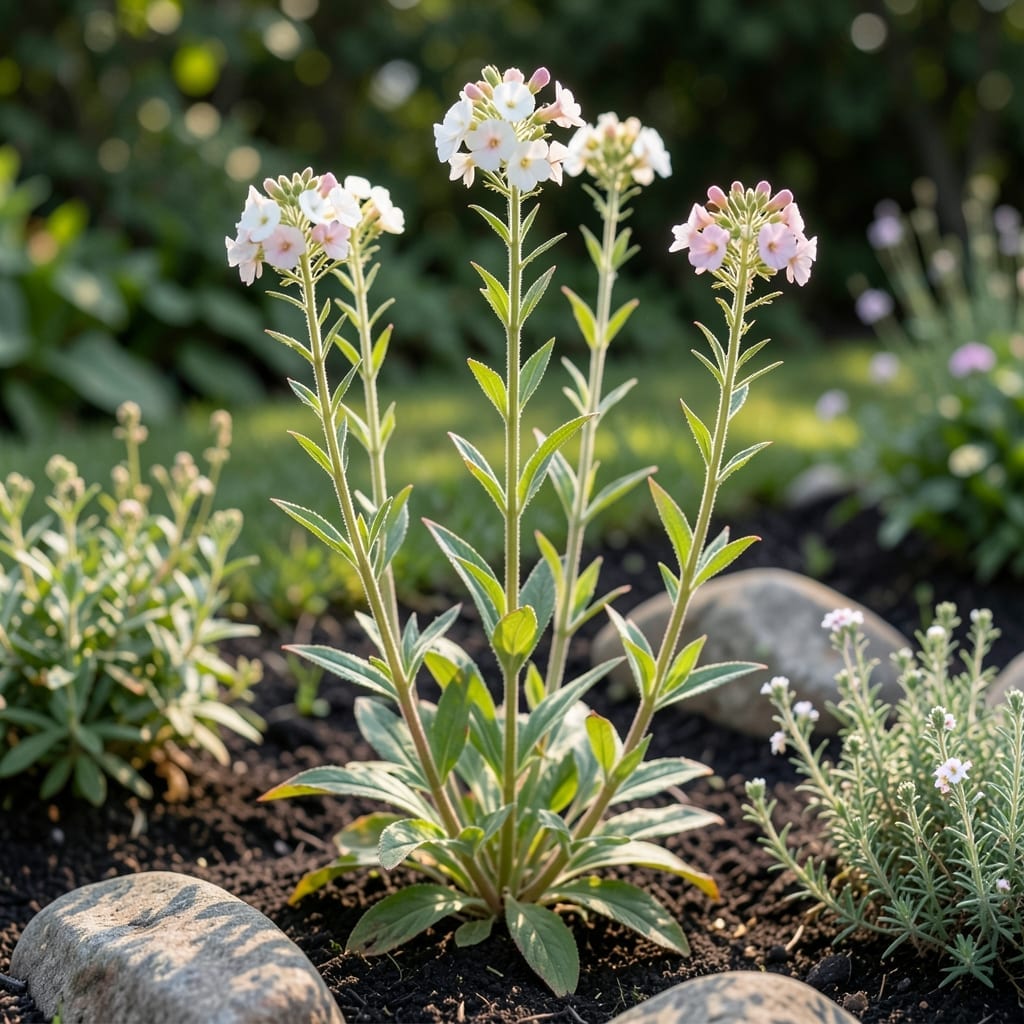
Those delicate, butterfly-like blooms can’t hide drooping leaves. I’ve watched my gaura go from vibrant to sad in days, and the fix is usually simpler than you think.
Yellowing or spotted leaves often signal overwatering or poor drainage—this plant hates wet feet. With a few adjustments to your care routine, you can revive it and keep those leaves lush and healthy all season.
📚 In This Guide
Here’s the method I use to nurse these delicate plants back to health with organic techniques.
Begin by examining the plant for yellowing leaves, drooping stems, or dry soil. Gaura lindheimeri often wilts from underwatering, which causes leaves to crisp at the edges. Overwatering, however, leads to soft, blackened stems and a foul odor from root rot.
Check the soil 2 inches deep—if it feels bone-dry, thirst is the issue. If it’s soggy and cool, the roots are suffocating. Also look for pest damage like aphid clusters on new growth or chewed leaf margins, which indicate an infestation draining the plant’s energy.
For underwatered gaura, water deeply at the base until the soil is moist 6 inches down. Use room-temperature water to avoid shocking the roots. I water in the early morning so the plant has all day to absorb moisture before evening humidity rises.
If overwatering is the culprit, stop watering immediately and let the top 3 inches of soil dry out. Move the pot to a spot with full sun and good airflow to speed up evaporation. Tilt the container slightly to encourage excess water to drain away from the roots.
Using clean, sharp shears, remove any blackened stems or completely wilted leaves at their base. This redirects the plant’s energy toward healthy growth. I always sterilize my tools with rubbing alcohol between cuts to prevent spreading disease.
Cut back up to one-third of the plant if most foliage is affected. Gaura lindheimeri recovers quickly from aggressive pruning, especially in warm weather. Avoid pruning in extreme heat, as this can stress the plant further.
For pest-related wilting, spray the plant with a neem oil solution (mix 1 tablespoon per gallon of water) every 5-7 days until pests are gone. Neem disrupts the life cycle of aphids and whiteflies without harming beneficial insects.
If the soil is compacted or nutrient-poor, work in 1-2 inches of compost around the base of the plant. For container-grown gaura, top-dress with compost and water it in thoroughly. This boosts microbial activity and provides slow-release nutrients to support recovery.
After treatment, place the plant in full sun to partial shade—gaura thrives in 6+ hours of sunlight but appreciates afternoon shade in extreme heat. Maintain consistent moisture, watering when the top 1-2 inches of soil feel dry.
Watch for new growth, which typically appears within 7-14 days if the revival is working. If wilting persists, re-examine the roots for rot or pests. Healthy gaura leaves should be bright green, firm, and slightly fuzzy to the touch.
Small adjustments in diagnosis and care make the difference between recovery and continued decline.
Diagnosis Precision: In Step 1, checking soil moisture to a 2-inch depth is critical. Many gardeners only check the surface and misdiagnose underwatering as overwatering. I learned this the hard way after nearly losing a plant by assuming soggy topsoil meant I should stop watering—only to discover the roots were bone dry below.
Watering Method: The “soak and dry” approach in Step 2 works because Gaura lindheimeri’s deep taproot needs thorough hydration followed by drying periods. Daily light watering encourages shallow roots, which makes the plant more vulnerable to stress. I’ve found that waiting until the top 1-2 inches of soil feel dry before watering again produces the strongest recovery.
Pruning Technique: When removing damaged foliage in Step 3, cutting back to 1/4 inch above a leaf node prevents dieback and encourages new growth from healthy tissue. Using dull pruners can crush stems, increasing the risk of fungal infection. A clean, sharp cut heals faster and reduces stress on the plant.
Environmental Adjustment: The 7-10 day acclimation period in Step 4 is non-negotiable when moving plants from deep shade to brighter light. Sudden exposure can cause leaf scorch, setting back your revival efforts. I always use a shaded area with dappled sunlight as an intermediate step before full sun exposure.
Yellow leaves often indicate overwatering or poor drainage. Ensure the soil is well-draining and water only when the top inch is dry. Nutrient deficiencies can also cause this, so consider a balanced fertilizer.
Wilting leaves may signal underwatering or heat stress. Water deeply at the base and provide afternoon shade in hot climates. Trim severely wilted leaves to redirect energy to healthy growth.
Prune in early spring or after the first flush of flowers to encourage bushier growth. Avoid heavy pruning in late summer, as it may reduce next season’s blooms.
Neem oil or insecticidal soap can treat pests organically. For fungal problems, use a baking soda spray (1 tsp baking soda + 1 quart water + a few drops of dish soap).
Yes! Remove heavily infested leaves and treat the plant with organic pest controls. Healthy new growth will replace damaged leaves if the plant’s overall health is restored.