
Beautiful Plants For Your Interior
Beautiful Plants For Your Interior
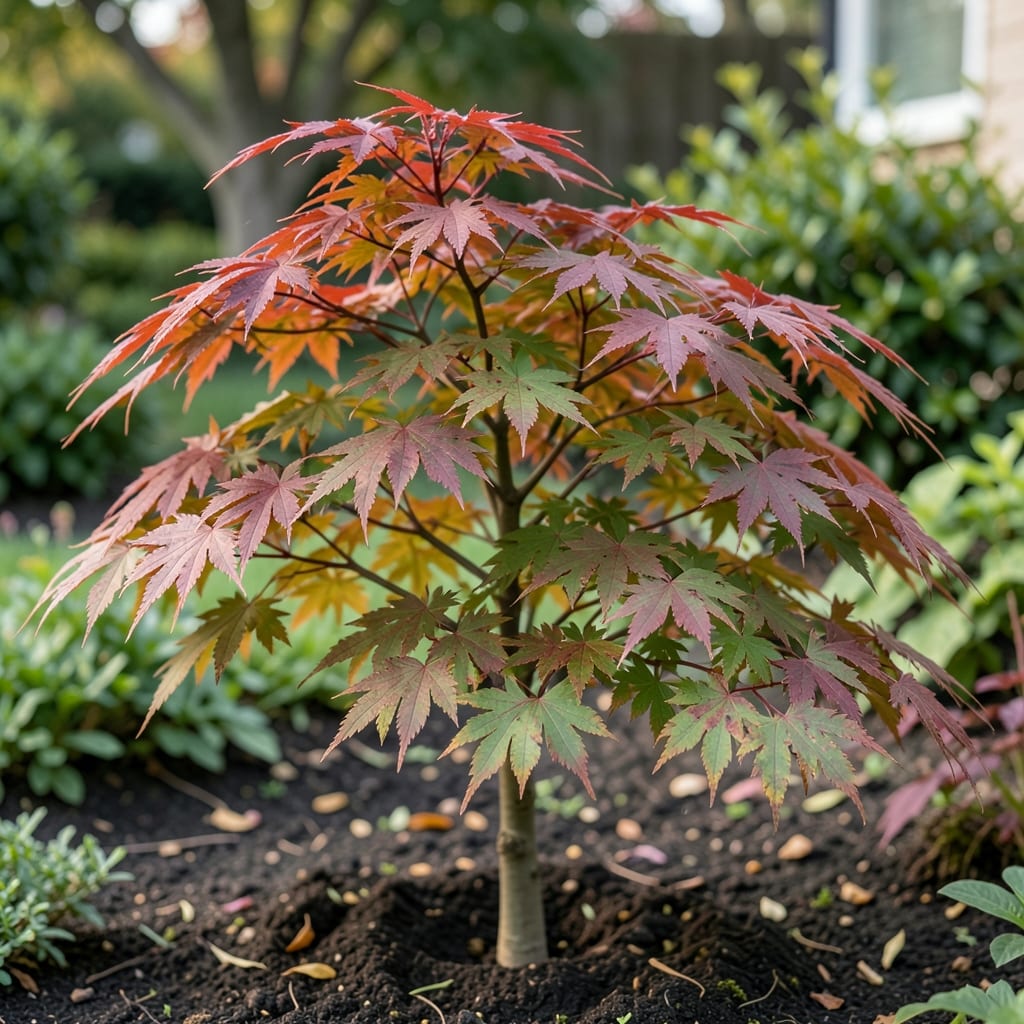
My Japanese maple’s leaves turned crisp and brown overnight last July. Confession: I’d been watering it the same way I water my tomatoes—deep but infrequent. Big mistake. These trees need consistent moisture, especially during heat waves.
Here’s the thing—leaf scorch often starts at the edges, working inward like a slow burn. The leaves don’t just wilt; they dry out completely, as if the tree’s giving up. Catching it early means you can reverse the damage before it spreads.
With the right adjustments—shade cloth, daily moisture checks, and mulch—you’ll see new growth in 2-3 weeks. The leaves won’t recover, but the tree will bounce back stronger for next season.
Fair warning: once the soil dries out, it’s a race against time. Between you and me, I now keep a spray bottle handy for those 100-degree afternoons.
Japanese maples are prized for their delicate foliage, but when temperatures soar, their leaves can crisp at the edges—a condition known as leaf scorch. This isn’t just an aesthetic issue; it’s a sign of physiological distress. Below are the primary causes, each with a clear, science-backed explanation to help you address the root of the problem.
In extreme heat, the tree loses water faster than its roots can absorb it. Japanese maples have a high surface-area-to-volume ratio in their leaves, accelerating transpiration (water loss through stomata). When the soil can’t keep up with replenishment—due to drought or poor moisture retention—the leaf margins dry out first, as they’re farthest from the water-conducting veins.
Shallow or compacted soils restrict root growth, limiting the tree’s ability to draw water. Even if you water regularly, poor drainage or root zone competition (e.g., from grass or weeds) can starve the roots of oxygen and hydration. Heat exacerbates this by increasing the tree’s demand for water just as the soil’s ability to supply it diminishes.
Direct, intense sunlight—especially in afternoon hours—can overwhelm the tree’s photosynthetic machinery. Japanese maples, many of which are understory plants in their native habitats, aren’t built for full, unfiltered sun. The combination of UV radiation and heat causes photoinhibition, where the leaf’s cells essentially “shut down” to prevent damage, leading to scorched edges.
Dry air and windy conditions pull moisture from the leaves even faster. In urban or open landscapes, Japanese maples often lack the humid microclimate they thrive in. Wind not only increases transpiration but can also physically desiccate leaves, particularly those already weakened by heat or drought.
Heat stress and leaf scorch in Japanese maples can often be reversed with the right care. Below are targeted solutions for common causes, along with prevention tips to keep your tree thriving.
Japanese maples prefer dappled or morning sunlight. If your tree is exposed to harsh afternoon sun, erect a shade cloth (30-50% density) or plant taller companions (like hydrangeas or dogwoods) to filter light. For potted trees, move them to a shadier spot during peak heat.
Prevention Tip: 💡 Site new maples where they’ll get east-facing sun or partial shade, especially in hotter zones (7+).
Leaf scorch often signals underwatering. Water deeply 2–3 times per week (1–1.5 gallons per watering for mature trees) to encourage deep root growth. Mulch heavily (2–3 inches of organic mulch) to retain moisture. Avoid wetting the leaves to prevent fungal issues.
Prevention Tip: 🌡️ Use a moisture meter to check soil 2 inches down—water when it reads “dry.” Drip irrigation on a timer ensures consistency.
Compacted or clay-heavy soil traps heat and suffocates roots. Loosen the soil around the base (gently!) and mix in compost or pine bark fines to improve drainage and aeration. For container-grown maples, repot in well-draining mix (e.g., 50% potting soil, 30% perlite, 20% compost).
Prevention Tip: ✨ Test drainage by digging a 1-foot hole and filling it with water. If it drains in <1 hour, amend with organic matter.
Paved surfaces, walls, or metal structures can intensify heat stress by reflecting sunlight. Add a physical barrier (e.g., a lattice screen or tall grasses) to break the reflected rays. For urban gardens, use light-colored mulch to reduce ground heat.
Prevention Tip: 🎯 Position maples at least 10 feet away from heat-absorbing structures.
Water deeply 2-3 times per week, using 1-1.5 gallons per session for mature trees. Check soil 2 inches down—if dry, water immediately. Drip irrigation works best for consistency.
Scorched leaves won’t recover, but the tree can regrow healthy foliage. Focus on improving conditions—shade, hydration, and soil care—and you’ll see new growth in 2-3 weeks.
Move pots to a shadier spot or use a 30-50% shade cloth. Avoid dark containers, as they absorb heat. Light-colored mulch also helps reflect sunlight.