
Beautiful Plants For Your Interior
Beautiful Plants For Your Interior
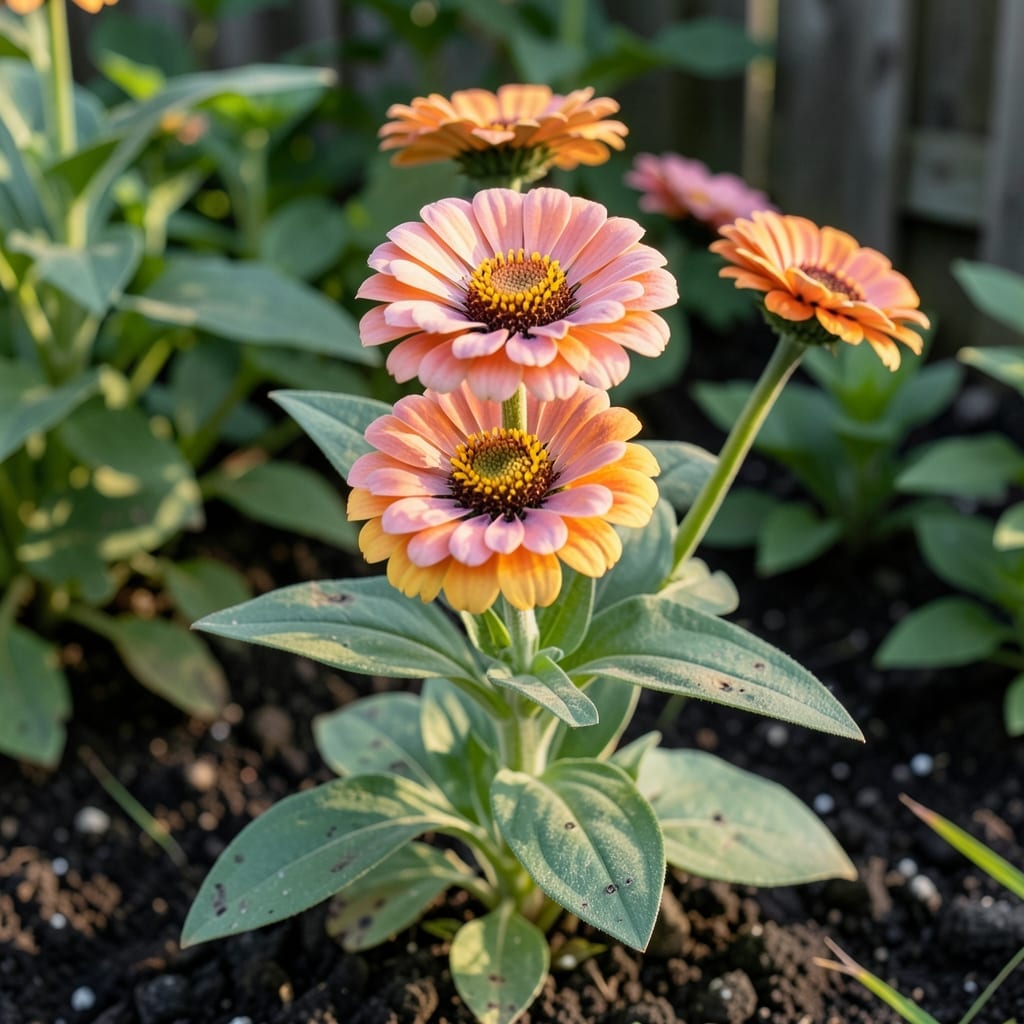
White spots on your zinnias this morning? I’ve been there—watching healthy plants turn into a fungal mess in days. It’s frustrating, but early detection makes all the difference.
Fungus thrives in damp conditions, so overwatering or poor air circulation is usually the culprit. I learned the hard way that zinnias need space to breathe and dry off between waterings.
With the right organic treatments, you can stop the spread and even reverse the damage. A simple baking soda spray or neem oil application often does the trick without harsh chemicals.
Prevention is key, though. Proper spacing and watering at the base keep leaves dry and fungi at bay. Your zinnias will thank you with vibrant blooms all season long.
Fungal issues on zinnias often stem from environmental and cultural factors that create ideal conditions for spores to thrive. Below are the most common causes, explained with actionable insights.
Overwatering or poor drainage leads to high humidity around foliage, which fungi like Alternaria and Powdery Mildew adore. Waterlogging also weakens roots, making plants more susceptible. Fix: Water at the base in the morning to allow foliage to dry quickly.
Dense plantings or overcrowding restrict airflow, trapping moisture and encouraging fungal spores to settle. Zinnias need space to breathe—aim for 12–18 inches between plants. Prune inner leaves to improve ventilation.
Cool, damp nights followed by warm days create condensation on leaves, a perfect breeding ground for fungi. Botrytis blight thrives in these conditions. Use mulch to regulate soil temperature and reduce splash-back during rain.
Fungal spores linger on unsterilized pruners or in infected soil. Always disinfect tools with rubbing alcohol and rotate planting beds to break disease cycles. Avoid overhead compost piles near zinnias.
Some zinnia cultivars lack genetic resistance to common fungi. Opt for disease-resistant varieties like ‘Profusion’ or ‘Zahara’ if fungal issues persist. Check seed packets for resistance labels.
Fungus on zinnias can be frustrating, but these practical fixes will help restore your plants’ health. Below are targeted solutions for common fungal problems, paired with prevention tips to keep them from returning.
If you spot white, powdery spots on leaves, act fast. Remove infected leaves and thin out dense foliage to boost airflow. Then, apply a baking soda spray (1 tbsp baking soda + 1 tsp dish soap + 1 gallon of water) every 7–10 days. Prevention tip: Water at the base in the morning to keep leaves dry. 💡
Dark or yellow spots with halos? Prune affected leaves and destroy them (don’t compost!). Apply a copper fungicide or neem oil spray weekly until the issue clears. Prevention tip: Avoid overhead watering and space plants 12–18 inches apart for better circulation. ✨
Wilting, yellowing, or mushy stems often signal root rot. Stop watering immediately and let the soil dry out. If the plant is severely affected, remove and replace the soil with fresh, well-draining mix. Prevention tip: Use raised beds or containers if drainage is poor, and water only when the top inch of soil is dry. 🌡️
General prevention: Keep your garden clean, rotate crops yearly, and choose fungus-resistant zinnia varieties like ‘Profusion’ or ‘Zahara’ for long-term protection. Healthy plants are your best defense!
Look for white powdery spots, dark or yellow leaf patches, or wilting stems. These are classic signs of common zinnia fungi like powdery mildew or leaf spot.
Remove infected leaves immediately and treat with a baking soda spray or neem oil. Isolate affected plants to prevent spores from spreading to healthy ones.
If the roots are mushy, it’s often too late. For early cases, stop watering, improve drainage, and replace soggy soil. Prevention is easier than cure here.
Organic options like copper fungicide or neem oil are safe when used as directed. Always test on a small area first and apply in the evening to avoid leaf burn.