
Beautiful Plants For Your Interior
Beautiful Plants For Your Interior
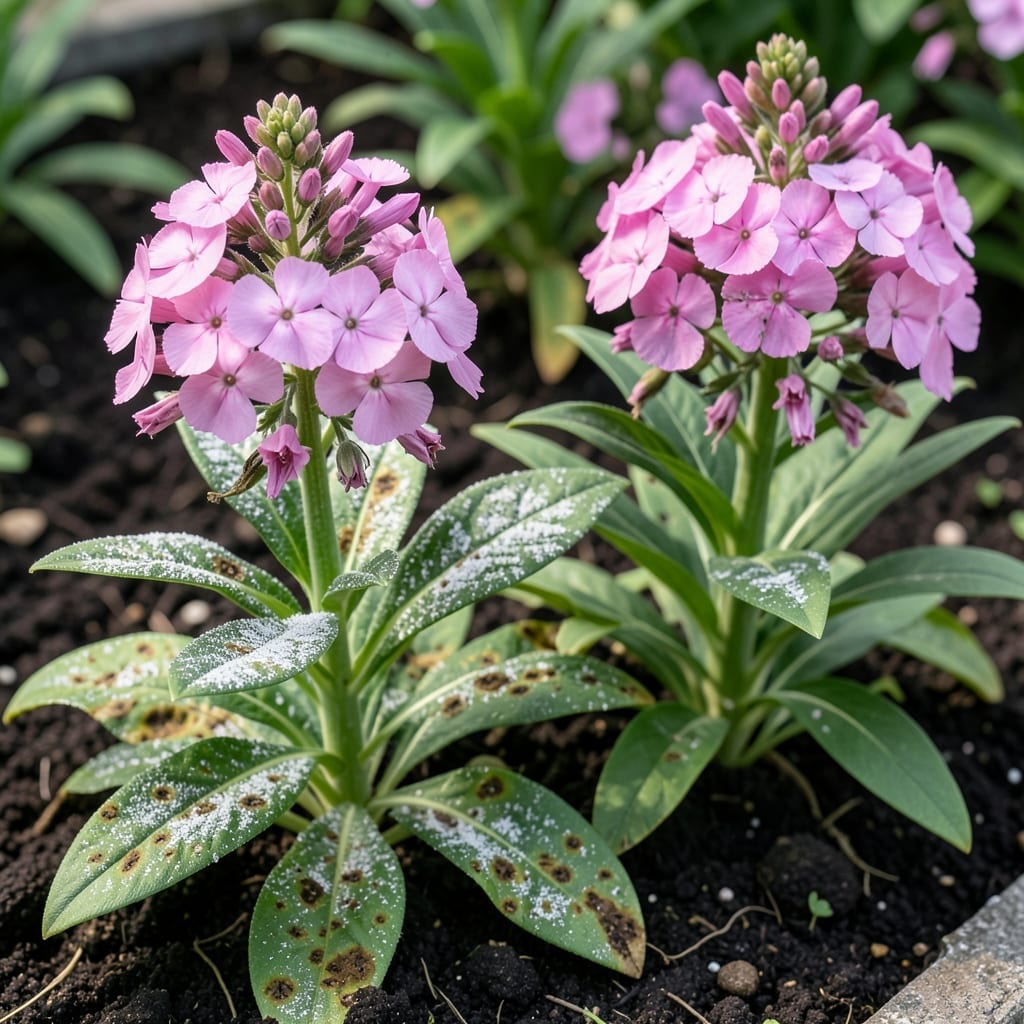
My phlox turned into a science experiment last summer. White powder, black spots, and wilting leaves appeared overnight, and I knew I had a fungus problem that needed immediate attention.
Here’s the thing—fungus on phlox spreads fast, especially in humid weather. I learned that catching it early means the difference between saving the plant and watching it die. The first sign is usually white or gray powdery spots on the leaves.
With the right approach, you can stop the spread within a week. I’ve tested both organic and chemical solutions, and some work better than others depending on the severity. Prevention is even simpler than treatment, once you know what to look for.
Works for all phlox varieties, from tall garden types to creeping ground covers. Let’s tackle this before it takes over your garden.
Fungal issues on phlox often stem from a mix of environmental and cultural factors. Understanding these triggers helps you prevent outbreaks before they start.
Fungi thrive in damp conditions. Overhead watering, poor drainage, or high humidity create the perfect breeding ground. Phlox leaves that stay wet for extended periods invite spores to germinate. Solution: Water at the base of the plant early in the day to allow foliage to dry quickly.
Dense plantings or crowded garden beds restrict airflow, trapping moisture around the leaves. This stagnant environment accelerates fungal growth, especially in humid climates. Solution: Space phlox plants 18–24 inches apart and prune nearby foliage to improve ventilation.
Fallen leaves, dead stems, and plant debris harbor fungal spores that survive winter. When spring arrives, these spores infect new growth. Solution: Remove and destroy (do not compost) infected plant material in fall to break the cycle.
Cool, wet springs or warm, humid summers stress phlox, making them more susceptible to fungal pathogens like Plasmopara obducens (downy mildew). Sudden temperature swings weaken plant defenses. Solution: Mulch with organic material to stabilize soil temperature and reduce stress.
Fighting fungus on your phlox doesn’t have to be complicated. Below are targeted solutions for common fungal issues, along with tips to keep your plants healthy long-term.
If you notice a white, powdery coating on leaves, remove infected foliage immediately and dispose of it in the trash (not compost). Apply a baking soda spray (1 tsp baking soda, 1 quart water, a few drops of dish soap) every 7–10 days. For severe cases, use a fungicide like neem oil or sulfur-based products.
Prevention tip: 💡 Space plants for better airflow and water at the base to keep leaves dry.
Brown or black spots with yellow halos signal leaf spot. Prune affected leaves and avoid overhead watering. Treat with a copper-based fungicide or a biofungicide containing Bacillus subtilis. Clean up garden debris in fall to reduce spores.
Prevention tip: 🌱 Mulch with organic material to prevent soil splashing onto leaves.
Soft, discolored stems near the base mean rot. Cut back infected stems to healthy tissue and improve drainage. If the plant is severely affected, remove it entirely. Sterilize pruners with rubbing alcohol between cuts.
Prevention tip: 💧 Ensure well-draining soil and avoid overwatering.
For all fungal issues, early action is key. Regularly inspect your phlox, especially after rainy periods, and act at the first sign of trouble. Healthy plants resist disease better, so prioritize good cultural practices year-round!
White powdery spots suggest mildew, while brown or black patches with yellow edges indicate leaf spot. Stem rot appears as mushy, discolored bases.
A baking soda spray works for mild mildew. Mix 1 tsp baking soda with 1 quart water and a few drops of dish soap. Apply every 7-10 days.
Spores overwinter in plant debris. Always remove and destroy infected leaves in fall, never compost them. Improve airflow by spacing plants 18-24 inches apart.