
Beautiful Plants For Your Interior
Beautiful Plants For Your Interior
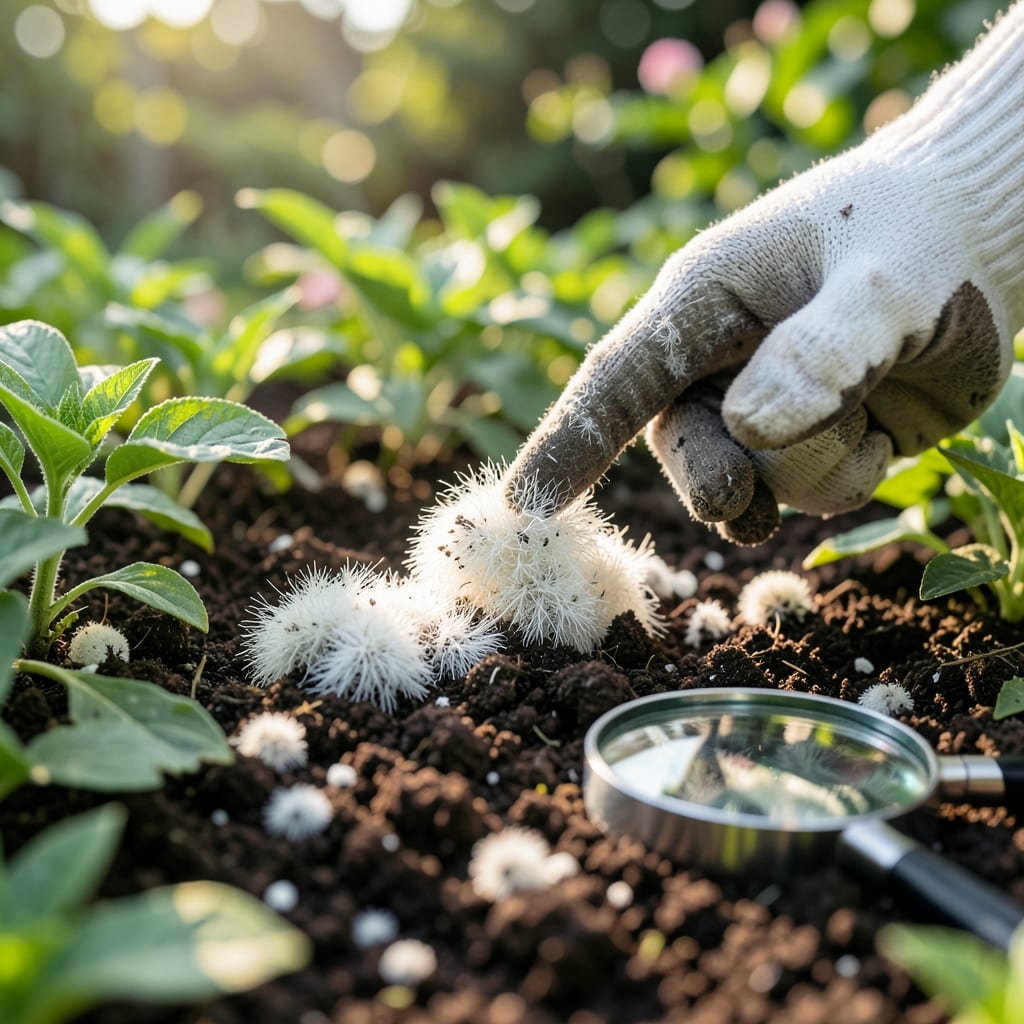
White mold creeping through your soil isn’t the end of the world. I’ve battled fungus garden soil issues for years, and the solution is simpler than you think—it starts with understanding what’s really going on beneath the surface.
Most gardeners panic at the first sign of fuzzy growth, but the fix often begins with better watering habits and improved drainage. I learned the hard way that soggy soil is basically a fungus welcome mat.
With a few adjustments, your plants can go from struggling to thriving in just a couple weeks. The key is consistency—maintaining dry topsoil while keeping roots properly hydrated.
This approach works for raised beds, container gardens, and in-ground plots. No fancy equipment needed, just a watchful eye and some strategic changes.
Fungal growth in garden soil is a common issue, but understanding the root causes can help you prevent it. Here are the primary reasons why fungi thrive in your soil:
Fungi love damp environments. Overwatering, poor drainage, or high humidity create the perfect breeding ground for fungal spores. When soil stays soggy, oxygen levels drop, and anaerobic conditions favor fungal growth. Actionable tip: Ensure your garden has proper drainage and water only when the top inch of soil is dry.
Decaying leaves, wood chips, or unprocessed compost provide fungi with a rich food source. As these materials break down, they release nutrients that feed fungal colonies. Actionable tip: Regularly remove plant debris and use well-aged compost to minimize fungal food sources.
Fungi thrive in warm, shaded areas where sunlight can’t penetrate. Thick mulch layers or densely planted beds can trap heat and moisture, accelerating fungal spread. Actionable tip: Thin out mulch and space plants properly to improve airflow and reduce humidity.
Unbalanced soil—low in beneficial microbes or high in clay—can weaken plant defenses, making them more susceptible to fungal infections. Compacted soil also restricts root growth, stressing plants. Actionable tip: Aerate soil and add organic matter to boost microbial diversity and improve structure.
Dealing with fungal issues in your garden soil doesn’t have to be a losing battle. Below are practical, step-by-step solutions for common causes, paired with prevention tips to keep your soil—and plants—healthy long-term.
Fix: Stop watering immediately and let the soil dry out. Improve drainage by mixing in coarse sand, perlite, or compost to loosen compacted soil. For potted plants, ensure containers have drainage holes.
Prevent: Water only when the top inch of soil is dry. Use a moisture meter to avoid guesswork, and consider raised beds if your garden has heavy clay soil.
Fix: Remove and replace the top 2–3 inches of soil where fungus is visible. Treat the remaining soil with neem oil, baking soda spray (1 tbsp baking soda + 1 gallon water + a few drops of dish soap), or a commercial fungicide labeled for garden use.
Prevent: Rotate crops annually to disrupt fungal cycles. Solarize soil in summer by covering it with clear plastic for 4–6 weeks to kill spores with heat.
Fix: Clear away fallen leaves, dead plants, and mulch where fungus thrives. Bag and dispose of infected material—do not compost it, as this can spread spores.
Prevent: Keep the garden tidy and use well-aged compost to avoid introducing fresh pathogens. Space plants properly to improve airflow and reduce humidity.
Fix: Thin out dense plantings to improve air circulation. If possible, trim nearby foliage or relocate shade-loving plants to sunnier spots to reduce moisture retention.
Prevent: Water early in the day so excess moisture evaporates quickly. Use drip irrigation to target roots and keep leaves dry.
💡 Pro Tip: Introduce beneficial fungi like mycorrhizae or Trichoderma to outcompete harmful types. These natural allies boost soil health and plant resilience!
Look for white, yellow, or black fuzzy growth on the surface. You might also notice wilting plants, yellowing leaves, or a musty smell. A simple test: if soil feels slimy or has visible mold, it’s likely fungal.
Yes, but dilute it first. Mix 1 part white vinegar with 4 parts water and spray lightly on affected areas. Avoid overusing, as vinegar can also harm beneficial microbes and lower soil pH.
Only if it’s well-aged. Fresh compost can introduce new spores. Use fully decomposed compost and mix it into the top 2-3 inches of soil to improve drainage and microbial balance.
Remove visible growth immediately and stop watering for 2-3 days. Increase sunlight exposure by pruning nearby plants and improve airflow. This slows spread while you treat the soil.