
Beautiful Plants For Your Interior
Beautiful Plants For Your Interior
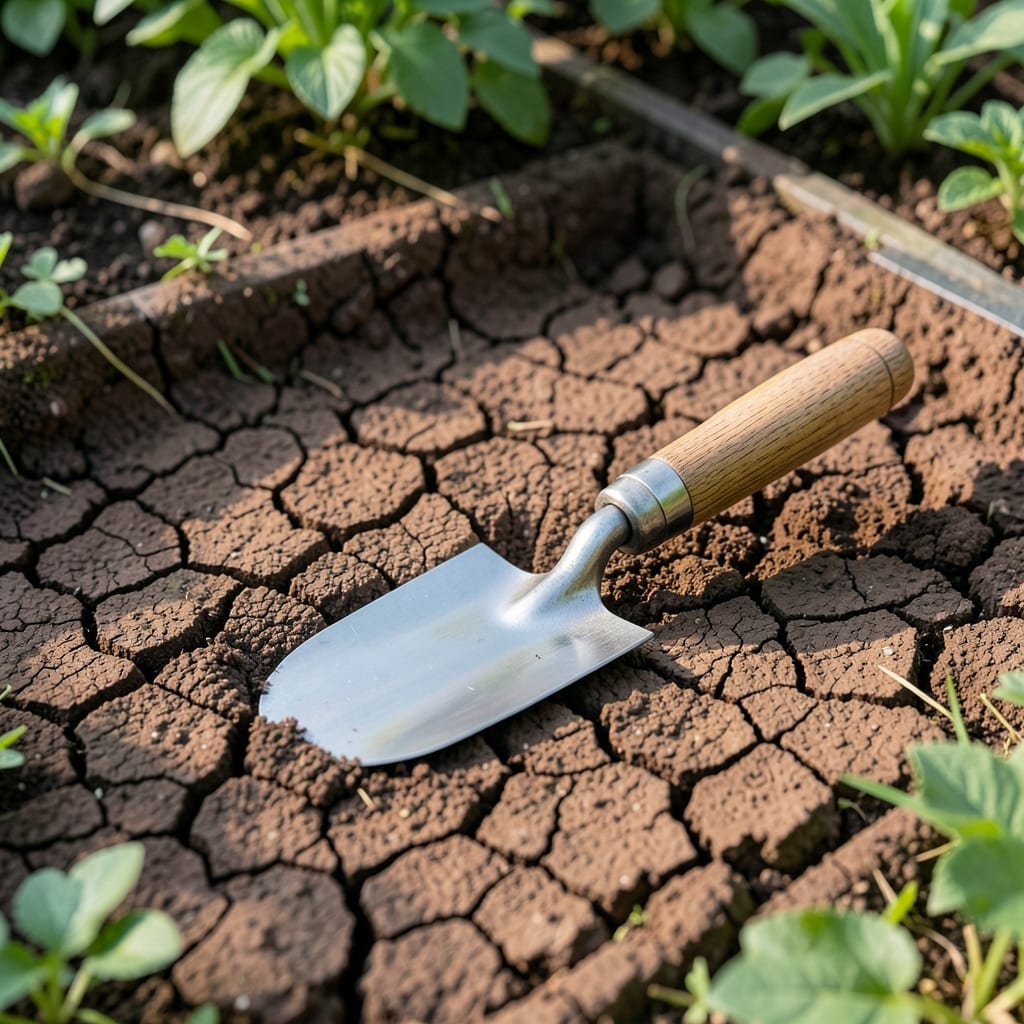
Clay soil can be a gardener’s biggest challenge or most valuable asset—it all depends on how you work with its unique properties.
While its density and poor drainage frustrate many, the right approach can transform your garden. The 🪴 Clay Soil you’ve been struggling with might just be the foundation for a thriving landscape.
I’ve seen firsthand how understanding this heavy ground can unlock its potential. With a few key adjustments, you’ll be amazed at what can grow in this often-misunderstood soil type.
Discover which plants love these conditions and how to create the perfect environment for them to flourish in your Zone 6 garden.
If you’ve ever struggled with compacted dirt that holds water like a sponge, you’re likely dealing with clay soil. This heavy soil type is made of tiny particles that pack tightly together, leaving little room for air or water to move freely.
While it can be frustrating, clay soil also has hidden benefits. It’s rich in nutrients and holds moisture well, which means your plants won’t dry out as quickly in hot weather. The key is learning how to work with its unique structure.
| Characteristic | Details |
|---|---|
| Particle Size | Microscopic, tightly packed |
| Drainage | Poor, waterlogs easily |
| Nutrient Content | High, fertile base |
| Moisture Retention | Excellent, holds water well |
| Aeration | Low, compacted structure |
One of the biggest challenges with clay soil is its tendency to crack when dry and turn into a sticky mess when wet. This makes it tough for roots to penetrate, stunting plant growth if not managed properly.
However, its high nutrient content means that once you improve its structure, you can grow vibrant, healthy plants with less fertilizer. The solution often lies in amending the soil with organic matter to break up the density.
I’ve seen gardeners transform their heavy clay plots into thriving gardens by adding compost, peat moss, or well-rotted manure. These amendments loosen the soil, improving drainage and root growth over time.
Another approach is to plant clay-tolerant species like daylilies, asters, or willow trees. These plants have adapted to heavy soils and can flourish where others struggle.
It’s also worth noting that clay soil warms up slowly in spring, which can delay planting. But once warmed, it retains heat well, providing a stable environment for roots.
If you’re dealing with extremely compacted clay, consider raised beds filled with a lighter soil mix. This gives you more control over the growing conditions while still benefiting from the clay’s nutrient richness below.
Remember, working with clay soil is a long-term investment. With patience and the right techniques, you can turn this challenging soil type into a productive, fertile foundation for your garden. 🌱
If you’ve ever struggled with compacted ground that pools water or cracks in dry spells, you’re likely dealing with clay soil. This heavy soil type is composed of fine mineral particles that pack tightly together, creating a dense structure that can be both a blessing and a curse for gardeners.
What makes clay soil unique is its ability to retain moisture and nutrients better than sandy or loamy soils. However, its poor drainage and tendency to become waterlogged can suffocate plant roots if not managed properly.
| Characteristic | Detail |
| Particle Size | Microscopic |
| Water Retention | High |
| Drainage | Poor |
| Nutrient Holding | Excellent |
I’ve found that clay’s nutrient-rich nature makes it ideal for perennials and shrubs that can tolerate its heaviness. Plants like bee balm and black-eyed Susan often thrive in these conditions, as their roots adapt well to the dense environment.
However, the compaction issue means you’ll need to aerate regularly and avoid walking on wet clay, which can make it even more impenetrable. Adding organic matter like compost or well-rotted manure can significantly improve its workability over time.
Another key point is that clay soil warms up slowly in spring, which can delay planting. But once warmed, it holds that heat well, providing a stable environment for root development throughout the growing season.
In my experience, the biggest mistake gardeners make is trying to “fix” clay soil overnight. Instead, focus on gradual improvement through consistent additions of organic material and proper plant selection.
With the right approach, this challenging soil can become the foundation of a thriving, resilient garden that requires less watering and fertilization than other soil types 🌱