
Beautiful Plants For Your Interior
Beautiful Plants For Your Interior
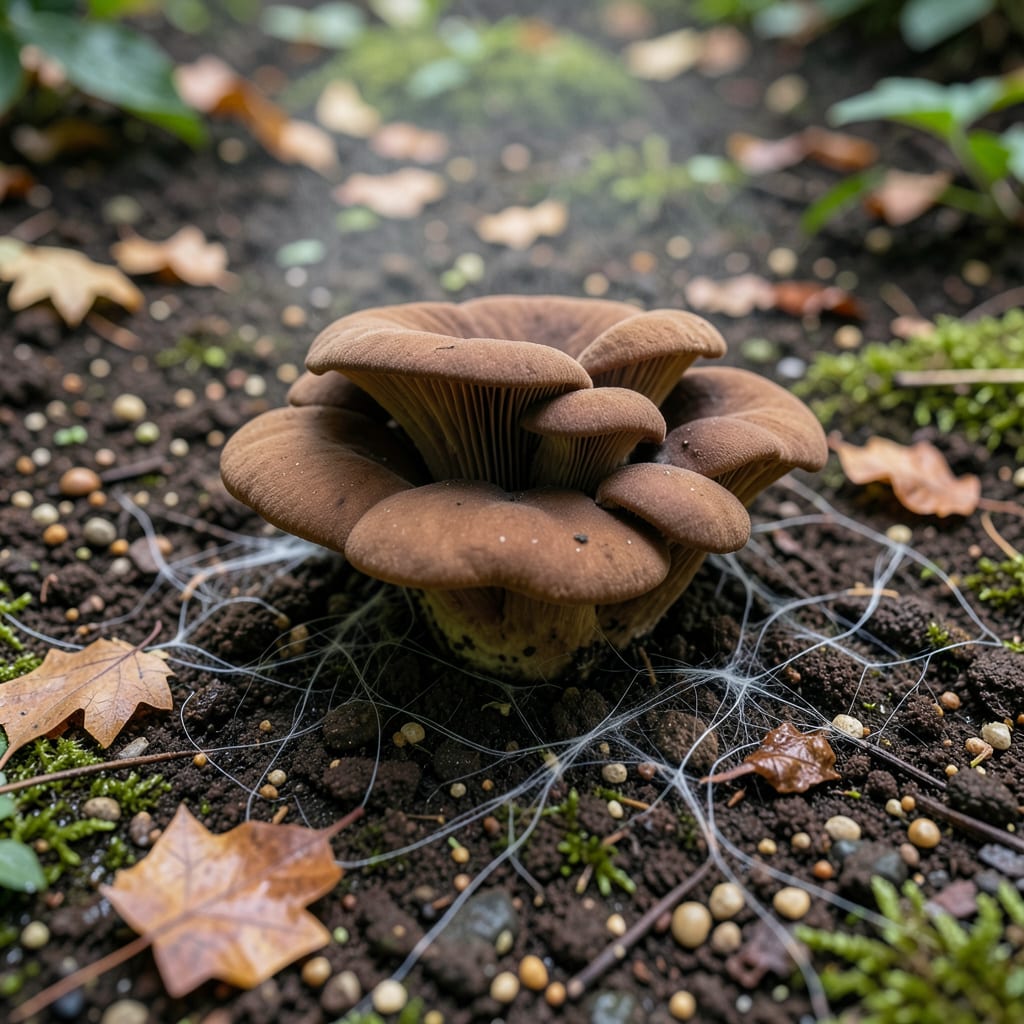
Spotted brown fungus in your soil? Don’t panic—it’s more common than you think. I’ve dealt with this issue in my own garden beds, and the good news is it’s usually fixable with simple, natural solutions.
This problem often stems from overwatering, poor drainage, or too much organic matter sitting on the surface. The key is improving airflow and balance in your soil. A little adjustment can prevent it from spreading to your plants.
You’ll see results within 2-3 weeks of treating the soil properly. The brown patches fade, and your garden returns to its healthy, thriving state without harsh chemicals.
Works for raised beds, in-ground plots, and container gardens alike. Here’s how to tackle it head-on.
Brown fungus in garden soil often thrives due to specific environmental and biological conditions. Understanding these causes helps you target the root of the problem effectively.
Fungal growth, including brown varieties, flourishes in damp environments. Overwatering, heavy clay soil, or inadequate drainage creates a waterlogged habitat where fungi like Fusarium or Rhizoctonia proliferate. These organisms decompose organic matter, and without proper airflow, they dominate the soil.
Excessive organic material—such as fallen leaves, wood chips, or uncomposted plant matter—feeds fungal spores. As these materials break down, they release nutrients that brown fungi exploit. Gardens with thick mulch layers or untidy plant debris are particularly susceptible.
Brown fungi thrive in temperatures between 70–85°F (21–29°C) with high humidity. These conditions accelerate spore germination and mycelial spread. Shaded areas or greenhouses with poor ventilation often experience recurrent fungal outbreaks.
Compacted soil restricts oxygen flow, creating an anaerobic environment that favors fungal growth. Foot traffic, heavy machinery, or dense planting can compress soil particles, reducing porosity and promoting the spread of brown fungus.
Actionable tip: Aerate soil regularly and improve drainage with sand or compost to disrupt fungal habitats.
Tackling brown fungus in your garden soil starts with identifying the root cause and applying the right fix. Here’s a practical guide to restoring your soil’s health.
If soggy soil is to blame, stop watering immediately and let the top 2–3 inches dry out. Amend heavy clay soil with compost or coarse sand to boost drainage. For potted plants, ensure containers have drainage holes and use a well-draining potting mix.
Prevention tip: 💡 Water only when the top inch of soil feels dry, and always water at the base—not the leaves—to reduce fungal spread.
Fungus thrives in stagnant, humid conditions. Thin out dense plantings to allow air to flow freely. Prune lower leaves and branches to open up the canopy. For ground-level fungus, rake the soil surface gently to disrupt growth and expose it to air and sunlight.
Prevention tip: 🎯 Space plants according to their mature size, and avoid overcrowding in garden beds.
Decaying leaves, mulch, or plant debris can harbor fungal spores. Remove all visible fungus and infected plant material with a trowel or rake, and dispose of it in the trash (not compost). Replace old mulch with fresh, disease-free mulch to smother spores.
Prevention tip: ✨ Keep your garden tidy by regularly clearing fallen leaves and spent blooms.
Fungus can signal poor soil health. Test your soil with a kit to check pH and nutrient levels. Amend with organic matter like compost or worm castings to improve microbial diversity. Avoid over-fertilizing, especially with high-nitrogen products, which can feed fungal growth.
Prevention tip: 🌡️ Rotate crops annually to prevent soil depletion and reduce fungal buildup.
It can be. Some brown fungi are harmless decomposers, but others like Fusarium can damage roots and stunt growth. Monitor plants for wilting or yellowing leaves as warning signs.
With proper care, you’ll see improvement in 2-3 weeks. Drainage fixes and debris removal show the fastest results. Full recovery may take a growing season.
Yes! A mix of 1 tablespoon baking soda per gallon of water can help. Also, a thin layer of cinnamon on soil surfaces has natural antifungal properties.
Not if you address the root causes. Improve drainage, reduce organic buildup, and rotate crops to prevent recurrence.
