
Beautiful Plants For Your Interior
Beautiful Plants For Your Interior
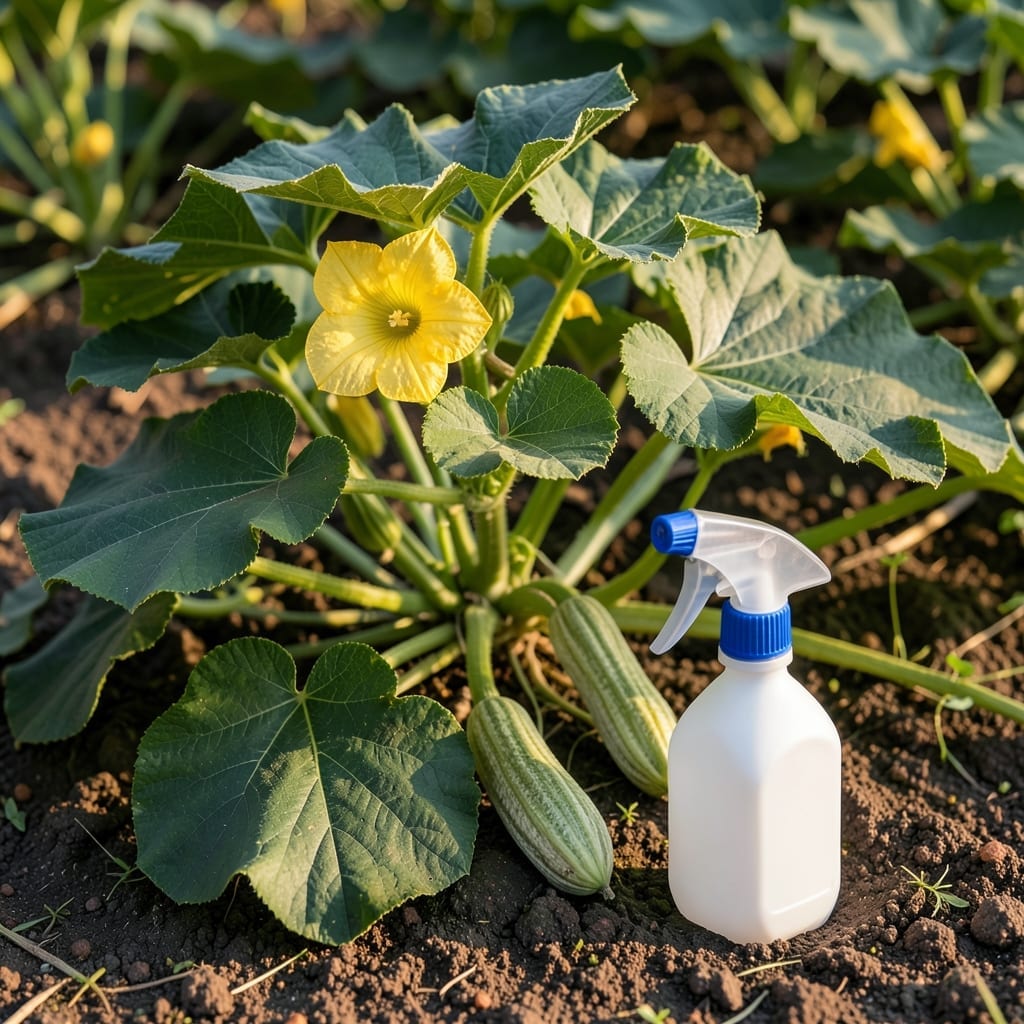
Powdery mildew on squash leaves looks like someone dusted them with flour. I’ve lost entire crops to this before learning that prevention is half the battle.
High humidity and poor air circulation create the perfect conditions. The organic approach starts with 1 tablespoon of baking soda mixed with 1 gallon of water and a drop of soap. This simple spray stops spores before they spread.
For existing infections, copper fungicides work but require careful timing. Apply in the morning so leaves dry before evening. Repeating every 7-10 days keeps new growth protected.
Rotate crops yearly and space plants 3-4 feet apart. These small habits prevent most fungal problems before they start.
Fungal diseases like powdery mildew and downy mildew thrive in squash plants due to specific environmental and biological conditions. Understanding these causes helps in targeted prevention and treatment.
Fungi spores germinate in moist environments. When squash plants are crowded or lack proper ventilation, humidity builds up around the leaves, creating an ideal breeding ground. Stagnant air prevents moisture from evaporating, accelerating spore growth and infection spread.
Powdery mildew, in particular, flourishes in warm daytime temperatures (70–80°F) coupled with cool, dew-laden nights. This temperature fluctuation stresses the plant and weakens its natural defenses, making it more susceptible to fungal attacks.
Watering from above wets the foliage, and if leaves remain damp for extended periods (especially in the evening), it invites fungal spores to settle and infect. Drip irrigation or soaker hoses at the base of plants are safer alternatives to keep leaves dry.
Fungal pathogens can overwinter in soil or on decaying plant debris. If previous crops were infected or old leaves are left to rot, spores can survive and reinfect new squash plants. Crop rotation and removing plant residue after harvest reduce this risk.
Some squash varieties lack genetic resistance to common fungi. Heirloom or older cultivars may be more vulnerable than modern disease-resistant hybrids. Choosing resistant seeds (look for labels like “PM-resistant”) is a proactive step.
Keeping your squash plants healthy means tackling fungal issues head-on. Here’s how to solve common problems with practical, easy-to-follow solutions.
Fix: Spray affected leaves with a baking soda solution (1 tsp baking soda, 1 quart water, and a drop of dish soap). For severe cases, use neem oil or a copper-based fungicide. Remove heavily infected leaves to prevent spread.
Prevention: Improve air circulation by spacing plants properly. Water at the base to keep leaves dry, and avoid overhead watering. 💡 Pro tip: Plant resistant squash varieties like ‘Dunja’ or ‘Buttercup’.
Fix: Apply a copper fungicide or potassium bicarbonate-based spray at the first sign of yellow spots or fuzzy growth. Remove and destroy infected foliage immediately.
Prevention: Rotate crops yearly and avoid planting squash in the same spot. Use drip irrigation to reduce leaf moisture. 🌡️ Pro tip: Mulch with straw to prevent soil-borne spores from splashing onto leaves.
Fix: Treat with a biofungicide like Bacillus subtilis or remove and burn infected plants to stop the spread. Sanitize gardening tools after use.
Prevention: Practice crop rotation and avoid working with wet plants. Choose disease-resistant seeds, and keep the garden free of plant debris. ✨ Pro tip: Solarize soil in the off-season to kill fungal spores.
Act quickly at the first sign of trouble, and your squash plants will thank you with a bountiful harvest! 🌱
Apply baking soda or copper sprays every 7-10 days during humid weather. Reapply after rain. Consistency is key for preventing spores from taking hold.
Yes! A mix of 1 tablespoon baking soda, 1 gallon water, and a drop of soap works well. Neem oil is another effective household option for mild infections.
Apply in the early morning so leaves dry quickly. Avoid evening applications—damp leaves overnight encourage fungal growth.
Spores may linger in soil or on tools. Rotate crops yearly, sanitize tools, and remove all plant debris after harvest to break the cycle.