
Beautiful Plants For Your Interior
Beautiful Plants For Your Interior
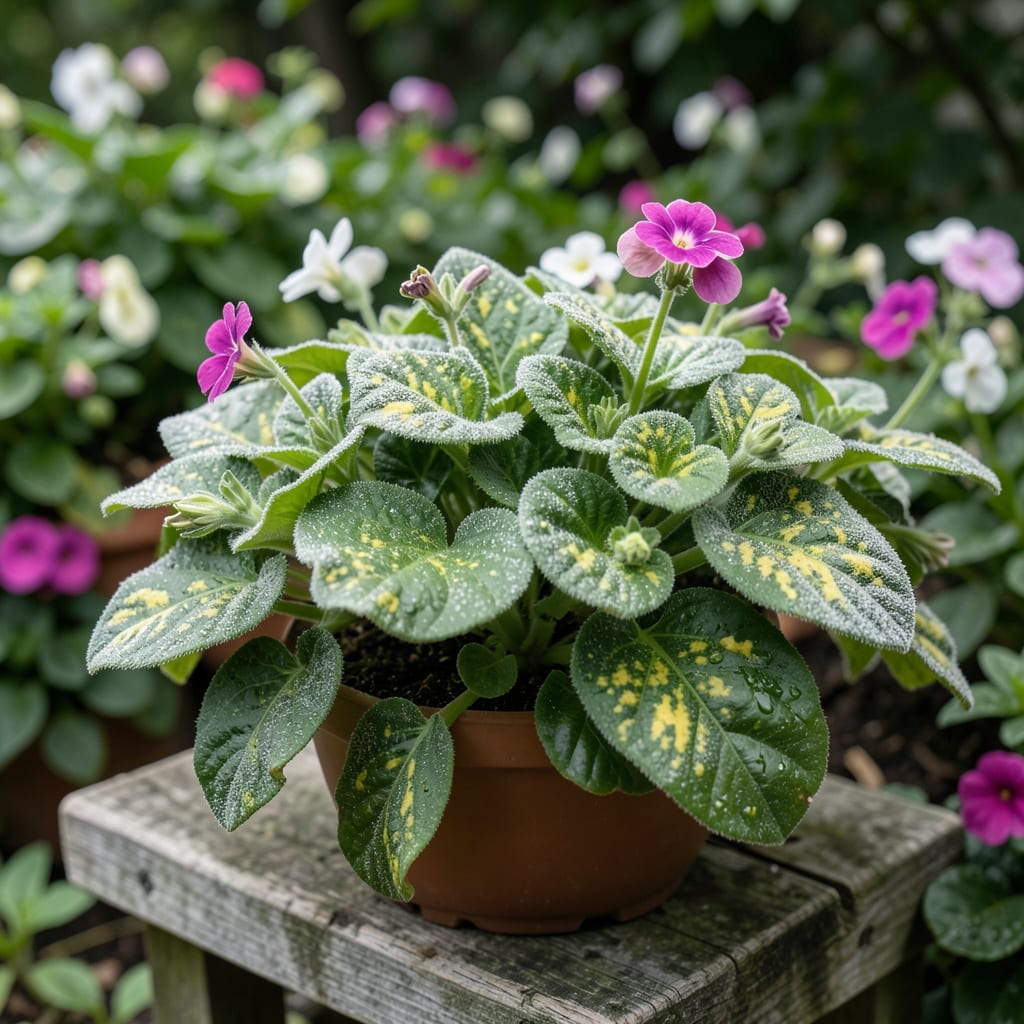
I lost half my impatiens to this last summer. Downy mildew strikes fast, leaving yellow patches and white fuzz on leaf undersides before turning plants to mush.
Here’s the thing—it thrives in damp, still air. Overhead watering and crowded beds practically roll out the welcome mat. I learned the hard way that prevention beats treatment every time.
Improving airflow and watering at soil level stops spores before they start. When caught early, organic fungicides can save your plants, but timing is everything.
Works for all impatiens varieties, from bedding plants to hanging baskets. Let’s keep your garden vibrant and disease-free this season.
Downy mildew on impatiens thrives under specific environmental conditions and is driven by the pathogen Plasmopara obducens. Understanding these causes helps gardeners prevent outbreaks and protect their plants.
This fungal-like disease requires water to survive and spread. Overhead watering, poor drainage, or high humidity create the perfect breeding ground. When leaves stay wet for extended periods (especially overnight), spores germinate and infect the plant. Always water at the base and ensure good air circulation to reduce moisture buildup.
Downy mildew flourishes in temperatures between 60–75°F (15–24°C) and thrives in shaded or crowded plantings where airflow is limited. Impatiens in dense garden beds or under thick canopies are particularly vulnerable. Thin out plants and space them properly to improve ventilation.
The pathogen can overwinter in soil or dead plant material, reinfecting new impatiens the following season. If previous plants had downy mildew, spores may linger. Remove and destroy infected plants (do not compost) and rotate planting locations to break the disease cycle.
Traditional Impatiens walleriana (busy Lizzie) are highly susceptible to downy mildew, while newer hybrids like New Guinea impatiens show more resistance. If downy mildew is a recurring issue, switch to resistant varieties or alternative shade-loving plants like begonias or coleus.
Downy mildew on impatiens can be frustrating, but these practical solutions will help you tackle the problem and restore your garden’s health. Below are targeted fixes for common causes, along with prevention tips to keep your plants thriving. 🌿
Downy mildew thrives in stagnant, humid air. Space your impatiens at least 12–18 inches apart to allow airflow. Prune dense foliage to open up the canopy, and avoid overcrowding with other plants. For potted impatiens, place them in well-ventilated areas or use a small fan on low to keep air moving. Pro tip: 💡 Water early in the day so leaves dry quickly.
Too much moisture fuels fungal growth. Water at the base of the plant (not the leaves) using a soaker hose or drip irrigation. Let the top 1–2 inches of soil dry out between waterings. If your impatiens are in containers, ensure pots have drainage holes and use a well-draining potting mix. Pro tip: 🌡️ Use a moisture meter to avoid guesswork.
Downy mildew spores need wet leaves to germinate. Water in the early morning so foliage dries by midday. If overhead watering is unavoidable, do it before 10 a.m. For existing infections, gently remove affected leaves with sterilized pruners and discard them (don’t compost!). Pro tip: ✨ Apply a copper fungicide or neem oil spray preventatively every 7–10 days during wet seasons.
If downy mildew persists, the soil may harbor spores. Replace the top 2–3 inches of soil with fresh, sterile potting mix. For in-ground plants, solarize the soil by covering it with clear plastic for 4–6 weeks in hot sun. Alternatively, drench the soil with a biological fungicide like Bacillus subtilis. Prevention tip: 🎯 Rotate impatiens with non-host plants (e.g., marigolds or petunias) to break the disease cycle.
Prevention is key! Choose resistant impatiens varieties like ‘Imara’ or ‘Beacon,’ and always clean up plant debris in fall to reduce overwintering spores. With these steps, your impatiens will bounce back—stronger and healthier! 🌸
Look for yellow patches on upper leaves and white, fuzzy growth underneath. Leaves may curl or drop prematurely as the disease progresses.
It primarily affects impatiens but can infect related species. Isolate infected plants immediately and avoid overhead watering to prevent spores from spreading.
Remove and destroy heavily damaged plants to protect others. For mild cases, prune affected areas and apply organic fungicides like copper or neem oil.
Always water at the base in the early morning. Use drip irrigation or a soaker hose to keep foliage dry. Avoid evening watering when leaves stay wet overnight.
