
Beautiful Plants For Your Interior
Beautiful Plants For Your Interior
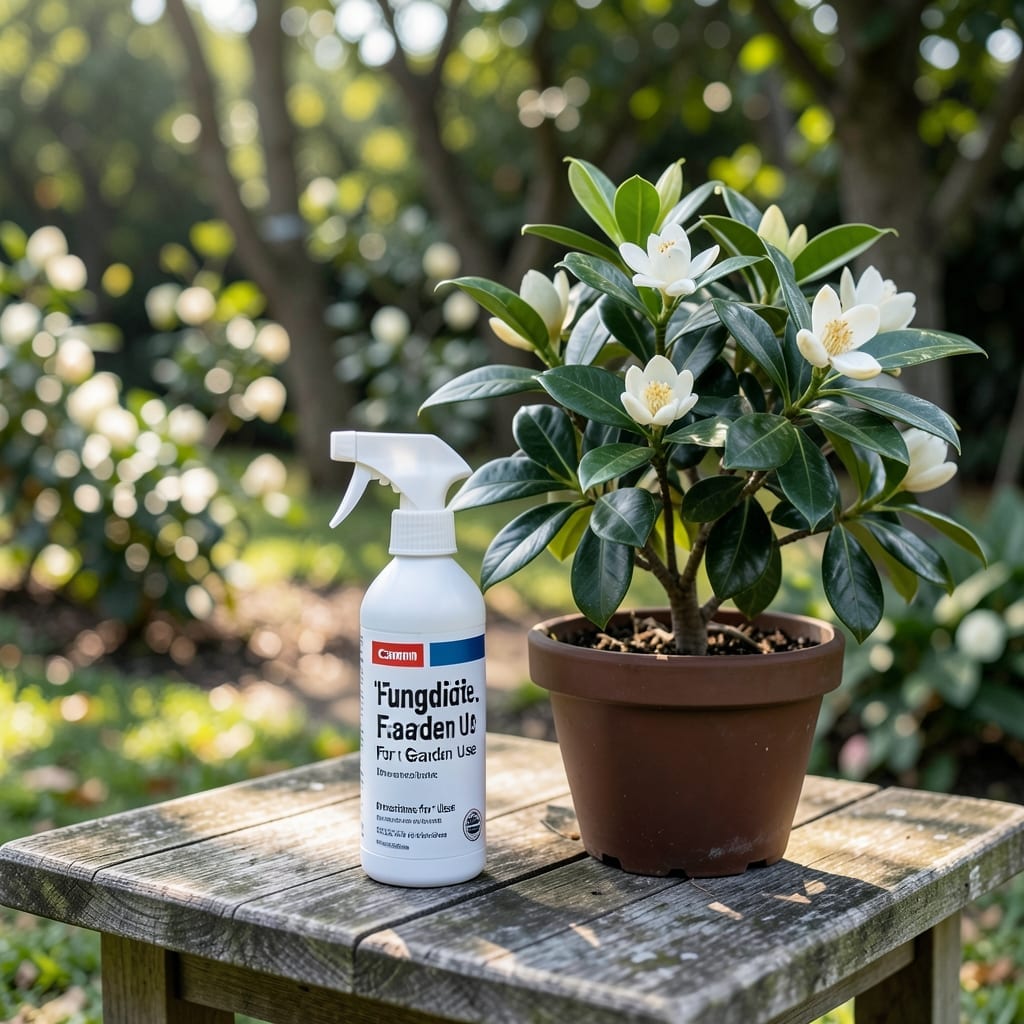
My gardenia’s yellowing leaves and brown spots broke my heart last season. Fungal diseases hit these plants hard, but the right approach brings them back to their vibrant best.
I learned the hard way that prevention beats treatment every time. Proper spacing, morning watering, and good air circulation stop most problems before they start. Even small adjustments make a huge difference.
When issues do appear, organic sprays work wonders. Neem oil and baking soda solutions clear up infections without harsh chemicals. The plants recover faster than you’d expect.
Your gardenias can thrive again with consistent care. The blooms return fuller and brighter once the fungus is under control.
Fungal diseases in gardenias often stem from environmental and cultural factors that create ideal conditions for pathogens to thrive. Below are the primary causes, explained with actionable insights.
Overwatering or poor drainage leads to waterlogged soil, which suffocates roots and encourages fungal growth like Phytophthora or root rot. Gardenias prefer moist but well-drained soil—ensure pots have drainage holes and avoid watering the foliage to prevent leaf spot diseases.
Gardenias thrive in humidity, but stagnant air traps moisture on leaves, inviting Powdery Mildew or Botrytis. Space plants apart and use a small fan to improve circulation. Prune dense foliage to allow airflow and sunlight penetration.
Fungal spores linger in infected soil or unsterilized pruning tools, spreading diseases like Fusarium wilt. Sterilize tools with rubbing alcohol and use fresh, pasteurized potting mix for new plants. Avoid reusing soil from diseased gardenias.
Weak or over-fertilized gardenias are more susceptible to fungal attacks. Excess nitrogen promotes lush but soft growth, which is vulnerable to infections. Use a balanced, acid-loving plant fertilizer and test soil pH (ideal: 5.0–6.0) to maintain plant vigor.
Gardenias thrive with the right care, and tackling fungal issues early ensures their lush, fragrant blooms stay vibrant. Below are targeted fixes for common problems, paired with prevention tips to keep your plants healthy long-term. Act fast—fungal infections spread quickly in warm, humid conditions! 🌿
If you notice brown or black spots with yellow halos, prune affected leaves immediately using sterilized shears. Dispose of the debris far from the garden to avoid reinfection. Apply a copper-based fungicide or neem oil spray every 7–10 days until the issue clears. Prevention: Water at the base (not overhead) and space plants for airflow.
White, dusty patches on leaves signal powdery mildew. Mix 1 tsp baking soda + 1 quart water + a drop of dish soap, and spray evenly on leaves. For stubborn cases, use sulfur-based fungicides. Prevention: Thin out dense foliage, and avoid late-day watering to reduce moisture buildup.
Wilting, yellowing leaves and a foul odor from the soil mean root rot. Remove the plant from its pot, trim black/mushy roots, and repot in fresh, well-draining soil. Hold off on watering for a few days. Prevention: Use pots with drainage holes and a soil mix with perlite or sand. Let the top inch dry between waterings. 💡
Apply every 7-10 days during active infections or humid weather. For prevention, use every 2-3 weeks during growing season. Always follow product instructions for best results.
Yes! A baking soda solution (1 tsp per quart of water + dish soap) works well for powdery mildew. Neem oil is another effective organic option for many fungal problems.
Apply in the early morning when leaves are dry. This gives the treatment time to work before evening humidity sets in. Avoid applying in direct sunlight or extreme heat.
Recurring issues often stem from poor air circulation, overwatering, or contaminated tools. Ensure proper spacing, well-draining soil, and sterilize pruning tools between uses.