
Beautiful Plants For Your Interior
Beautiful Plants For Your Interior
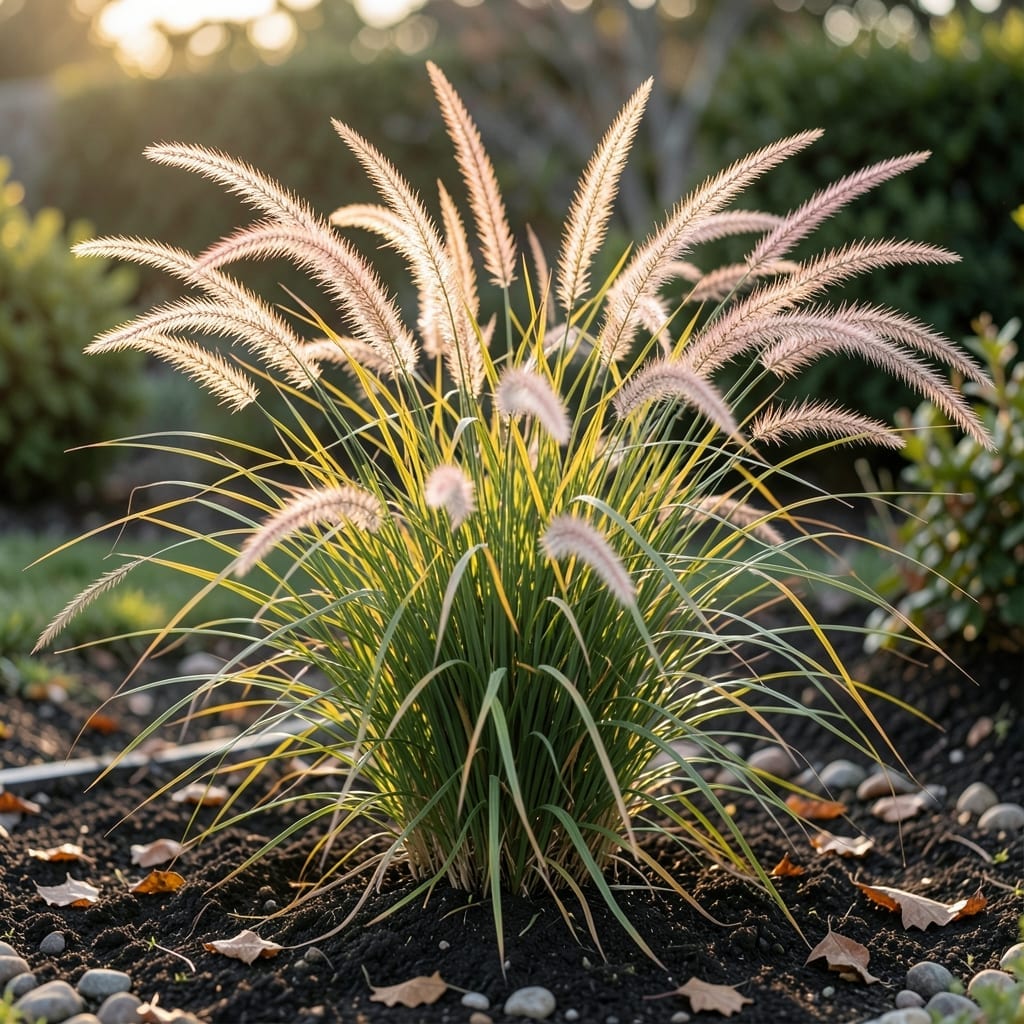
Yellowing fountain grass doesn’t mean it’s dying—just that it’s asking for help. I’ve rescued mine from sad, pale clumps to vibrant green more times than I can count.
The culprit is usually water—either too much or too little. Fountain grass hates soggy roots but also wilts under drought stress. A simple adjustment to your watering routine can turn things around faster than you’d expect.
You’ll notice the difference within 7-10 days of fixing the issue: fresh growth returns, color deepens, and the grass regains its full, arching form.
Prevention is even easier: consistent moisture, good drainage, and a quick check of the soil before watering. No guesswork, just healthy plants.
Fountain grass (Pennisetum alopecuroides) is a hardy ornamental grass, but it can lose its vibrant green color for several reasons. Below are the most common causes, explained with actionable insights to help you diagnose and fix the issue.
Excess moisture is a leading cause of yellowing. Fountain grass thrives in well-draining soil, and waterlogged roots suffocate, leading to root rot. This prevents the plant from absorbing nutrients, causing leaves to turn yellow. Check soil moisture before watering—stick your finger 1-2 inches into the soil. If it feels damp, hold off on watering.
While fountain grass is drought-tolerant, prolonged dry spells can stress it, leading to yellow or brown tips. In extreme heat, the grass may enter dormancy, conserving water by shedding older foliage. Ensure deep, infrequent watering (about 1 inch per week) to encourage strong root growth.
Yellowing can signal a lack of essential nutrients, particularly nitrogen or iron. Nitrogen deficiency causes uniform yellowing, while iron deficiency leads to interveinal chlorosis (yellow leaves with green veins). Test your soil and amend with a balanced fertilizer or iron chelates if needed.
Insects like spider mites or aphids sap the plant’s vitality, causing yellow patches. Fungal diseases, such as rust or leaf blight, also discolor foliage. Inspect leaves for webs, spots, or sticky residue, and treat with neem oil or fungicides as appropriate.
Older foliage naturally yellows and dies back to make way for new growth. This is part of the plant’s lifecycle and isn’t a cause for concern. Simply trim away dead leaves to maintain a tidy appearance and redirect energy to healthy growth.
Fountain grass turning yellow can often be fixed with a few simple adjustments. Below are targeted solutions for common causes, along with prevention tips to keep your grass vibrant and healthy.
Fix: Check the soil moisture about 1-2 inches deep. If it’s soggy, reduce watering and ensure proper drainage. If it’s dry, water deeply 1-2 times per week, allowing the soil to dry slightly between waterings. Use a moisture meter for precision.
Prevention Tip: 💡 Water in the early morning to minimize evaporation and fungal growth. Mulch around the base to retain moisture.
Fix: If your grass is in full shade, consider relocating it to a spot with at least 6 hours of sunlight. For scorched grass, provide afternoon shade with a shade cloth or nearby plants.
Prevention Tip: 🌞 Choose a planting location that matches fountain grass’s preference for full sun to partial shade.
Fix: Apply a balanced, slow-release fertilizer (10-10-10) in early spring or fall. Yellowing due to iron deficiency can be treated with a chelated iron supplement.
Prevention Tip: 🌱 Test your soil every 2-3 years and amend it with organic matter like compost to maintain fertility.
Fix: Inspect the grass for pests like aphids or spider mites. Treat with insecticidal soap or neem oil. For fungal diseases, improve air circulation and avoid overhead watering. Fungicides may be necessary for severe cases.
Prevention Tip: ✨ Keep the area clean by removing dead foliage and debris to discourage pests and diseases.
Fix: Trim back dead or yellow foliage in early spring to encourage new growth. Avoid heavy pruning in fall, as it can leave the plant vulnerable to cold.
Prevention Tip: 🌡️ Apply a layer of mulch around the base in late fall to protect the roots from freezing temperatures.
Water deeply 1-2 times per week, allowing the top 1-2 inches of soil to dry between sessions. Overwatering is a common cause of yellowing, so check moisture first.
No, once foliage turns yellow, it won’t recover. Trim the affected leaves to redirect energy to healthy growth. New green leaves should appear within 7-10 days of fixing the issue.
Use a balanced 10-10-10 slow-release fertilizer in spring or fall. For iron deficiency, apply chelated iron. Always test soil first to confirm the deficiency.
Not always! Natural aging causes older leaves to yellow. If it’s just the lower leaves and new growth is green, it’s normal. Only worry if yellowing spreads rapidly.