
Beautiful Plants For Your Interior
Beautiful Plants For Your Interior
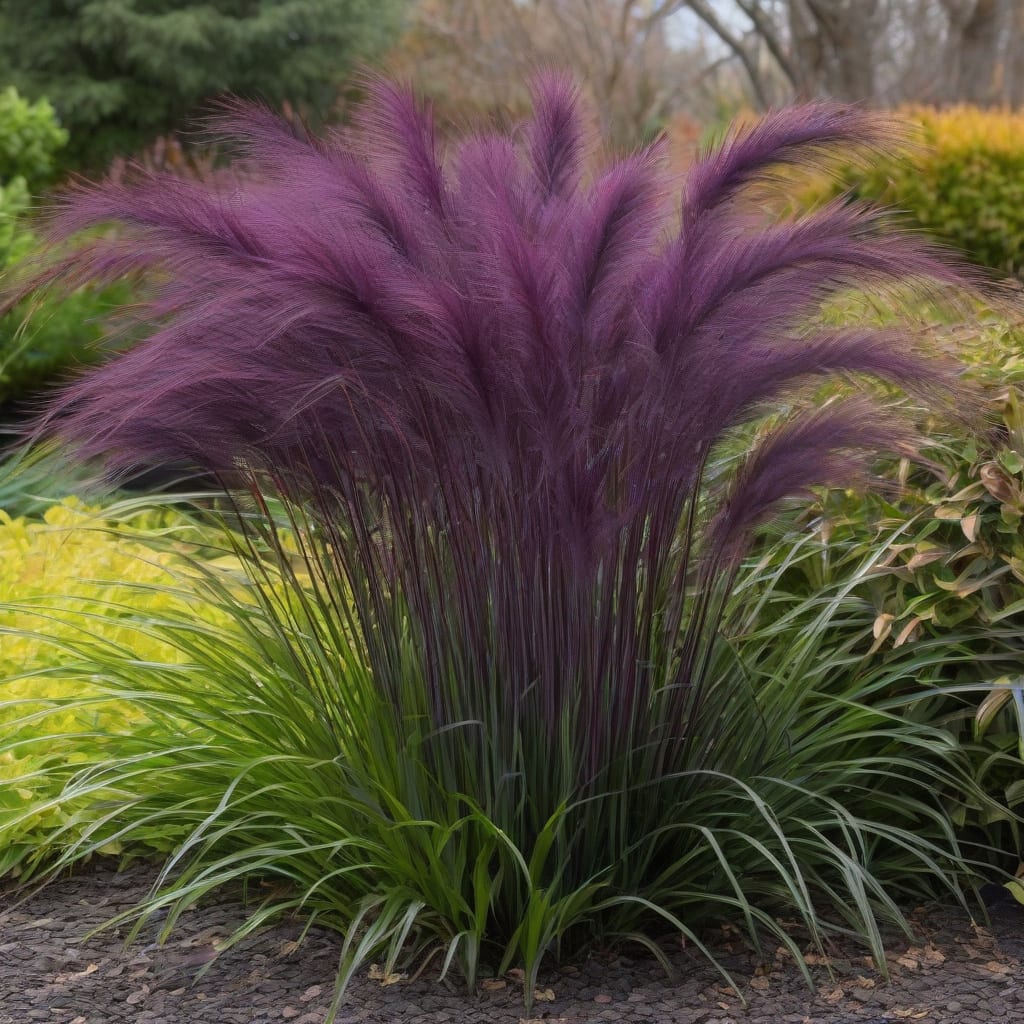
I’ve always been fascinated by the dramatic height of Purple Fountain Grass 🌿, which can add a striking element to any garden. Growing in USDA Zone 6, this ornamental grass can reach impressive heights, but understanding its growth patterns is key to perfect landscaping.
Let’s explore how tall Purple Fountain Grass can actually grow and what factors influence its ultimate height. By understanding these elements, you’ll be better equipped to care for your plants and achieve the desired display in your garden.


Purple fountain grass is known for its impressive height, which can range from 2 to 5 feet depending on growing conditions. In ideal situations, it can reach its maximum height of 5 feet, making it a dramatic addition to any garden. The height potential is influenced by factors such as soil quality, sunlight, and maintenance practices.
The growth rate of purple fountain grass is typically rapid during the growing season, which spans from spring to early fall. In USDA Zone 6, the plant usually reaches its mature height by mid-summer. Understanding these growth patterns is crucial for planning and maintaining your garden effectively.
The height of purple fountain grass is not just a matter of aesthetics; it also plays a role in the plant’s overall health. Taller plants can provide more shade for the soil, reducing weed growth and retaining moisture. However, extremely tall plants may require additional support to prevent lodging.
To achieve the maximum height potential, it’s essential to provide optimal growing conditions. This includes ensuring the plant receives full sun and maintaining well soil quality. By understanding these factors, you can better predict and manage the height of your purple fountain grass.
The growth pattern of purple fountain grass is characterized by its rapid expansion during the growing season. This grass is known for its ability to quickly reach its mature height, making it a popular choice for adding dramatic vertical elements to garden landscapes. 🌿
As the growing season progresses, purple fountain grass continues to grow, producing long, arching foliage that adds to its overall height. The plant’s ability to grow tall and maintain its structural integrity makes it an excellent choice for creating natural screens or backdrops in garden designs.
In addition to its height, purple fountain grass is also valued for its ornamental flowers, which appear in late summer. These flowers are held on tall stalks that rise above the foliage, adding an extra layer of visual interest to the plant’s overall appearance.
Overall, understanding the height potential of purple fountain grass is crucial for effective garden planning. By considering factors such as growth rate, maximum height, and environmental conditions, you can make informed decisions about how to incorporate this versatile plant into your landscape design.
The height of Purple Fountain Grass is influenced by several environmental factors that gardeners should consider when cultivating this ornamental grass 🌿.
Soil quality plays a crucial role in determining the height of Purple Fountain Grass. The grass thrives in well-drained soil that is rich in organic matter. Poor soil quality can limit the plant’s growth, while fertile soil can promote healthy development and maximum height.
Purple Fountain Grass requires full sun to achieve its maximum height potential. In areas with partial shade, the plant may not reach its full height.
Sunlight is another critical factor that affects the height of Purple Fountain Grass. The plant requires at least 6 hours of direct sunlight per day to grow to its full potential. Insufficient sunlight can result in leggy growth and reduced height.
Watering practices also impact the height of Purple Fountain Grass. The plant prefers consistent moisture, especially during the growing season. However, overwatering can lead to root rot and other problems that can limit the plant’s growth.
Climate is another important factor that influences the height of Purple Fountain Grass. The plant thrives in warm temperatures and is sensitive to frost. In areas with cold winters, the plant may need to be protected or brought indoors to survive.
Maintenance practices, such as pruning and fertilization, can also impact the height of Purple Fountain Grass. Regular pruning can help control the plant’s height, while fertilization can promote healthy growth and maximize the plant’s height potential.
By understanding the factors that influence the height of Purple Fountain Grass, gardeners can take steps to optimize growing conditions and achieve the desired display in their gardens 🌼.
In summary, the height of Purple Fountain Grass is influenced by a combination of environmental factors, including soil quality, sunlight, watering practices, climate, and maintenance practices. By managing these factors, gardeners can promote healthy growth and maximize the plant’s height potential.
To manage purple fountain grass height effectively, it’s essential to understand the importance of pruning techniques and growth management. Proper pruning not only controls the plant’s height but also promotes healthy growth and encourages new foliage.
Cut back last year’s growth to 2-3 inches from the ground before new growth begins.
Regularly check plant height and remove any damaged or diseased foliage.
Ensure the plant receives full sun and maintain well-drained soil to promote healthy growth.
By following these pruning techniques and growth management tips, you can effectively manage the height of your purple fountain grass and achieve the desired display in your garden 🌼.
In addition to pruning, other maintenance strategies can help control the height of purple fountain grass. This includes fertilization and watering practices that promote healthy growth without excessive height.
Regular maintenance is key to ensuring that your purple fountain grass remains healthy and visually appealing. By combining proper pruning with optimal growing conditions, you can enjoy a beautiful and well-managed display of this ornamental grass 🌿.
