
Beautiful Plants For Your Interior
Beautiful Plants For Your Interior
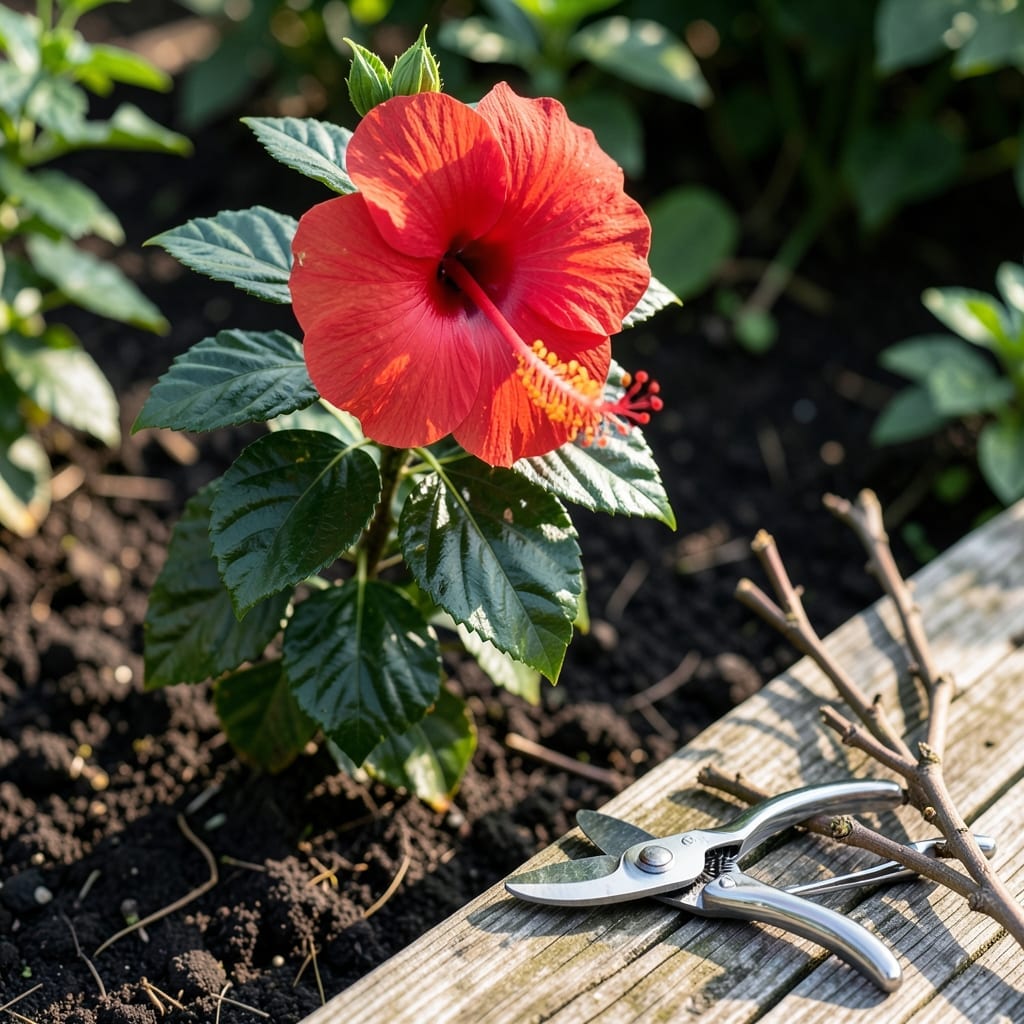
Trimming your Hibiscus 🌺 at the right time can transform it from a struggling shrub to a blooming showstopper. That perfect moment isn’t guesswork – it’s about understanding your plant’s natural rhythm.
I’ve seen gardeners accidentally stunt their Hibiscus growth by pruning too early or too late. The timing makes all the difference between sparse blossoms and a vibrant display.
Discover the simple seasonal signals that tell you exactly when to reach for those pruners. Your summer garden will thank you with its most spectacular bloom yet.
Timing your Hibiscus pruning perfectly can unlock a season of vibrant blooms. The ideal window depends on whether you’re growing tropical or hardy varieties, as their growth cycles differ significantly. ✂️
For tropical hibiscus, I always wait until spring when new growth appears, signaling the plant has emerged from winter dormancy. This timing helps avoid cold damage to fresh cuts while encouraging robust flowering.
| Hibiscus Type | Best Pruning Time | Key Consideration |
|---|---|---|
| Tropical Hibiscus | Early Spring | After last frost, new growth appears |
| Hardy Hibiscus | Late Winter | Before new growth starts |
| Both Types | After Blooming | Light shaping only |
In frost-free climates, I’ve found that tropical hibiscus can be pruned year-round, but late winter is still optimal. This timing allows the plant to recover before its main growing season begins.
Hardy hibiscus (Hibiscus moscheutos) needs a different approach. I prune these in late winter while they’re still dormant, but before spring growth emerges. This gives them time to heal before the growing season kicks in.
For both types, avoid pruning in fall. New growth stimulated by late-season pruning can be damaged by early frosts, potentially killing your plant. I learned this lesson the hard way with my first hibiscus!
If you’re in USDA zones 5-7, wait until all danger of frost has passed. In warmer zones 8-11, you can start pruning in February as long as there’s no threat of freezing temperatures.
Remember that light pruning can be done anytime to remove dead or damaged branches. But for major shaping, stick to the seasonal schedule. This approach has consistently given me the healthiest plants with the most flowers.
After pruning, I always apply a balanced fertilizer to support new growth. This simple step can make a noticeable difference in your hibiscus recovery and subsequent blooming.
Observing your plant’s growth patterns will help you fine-tune the timing. Each garden has its own microclimate, and your hibiscus will show you when it’s ready for its annual trim. 🌺
Pruning your hibiscus properly makes all the difference between a healthy shrub and a struggling one. I always start by inspecting the plant for any dead or diseased branches first.
For the best results, use sharp bypass pruners that make clean cuts. I recommend sterilizing them with rubbing alcohol between plants to prevent disease spread. This simple step protects your entire garden.
When making cuts, always angle them at 45 degrees just above a leaf node. This encourages new growth in the right direction and helps water run off instead of pooling on the cut surface.
I never remove more than 1/3 of the plant in a single pruning session. Over-pruning can shock your hibiscus and reduce its blooming potential for the season. Less is often more with these beautiful plants.
After major pruning, I give my hibiscus a good drink of water and apply a layer of mulch around the base. This helps the plant recover faster and protects the roots from temperature fluctuations.