
Beautiful Plants For Your Interior
Beautiful Plants For Your Interior
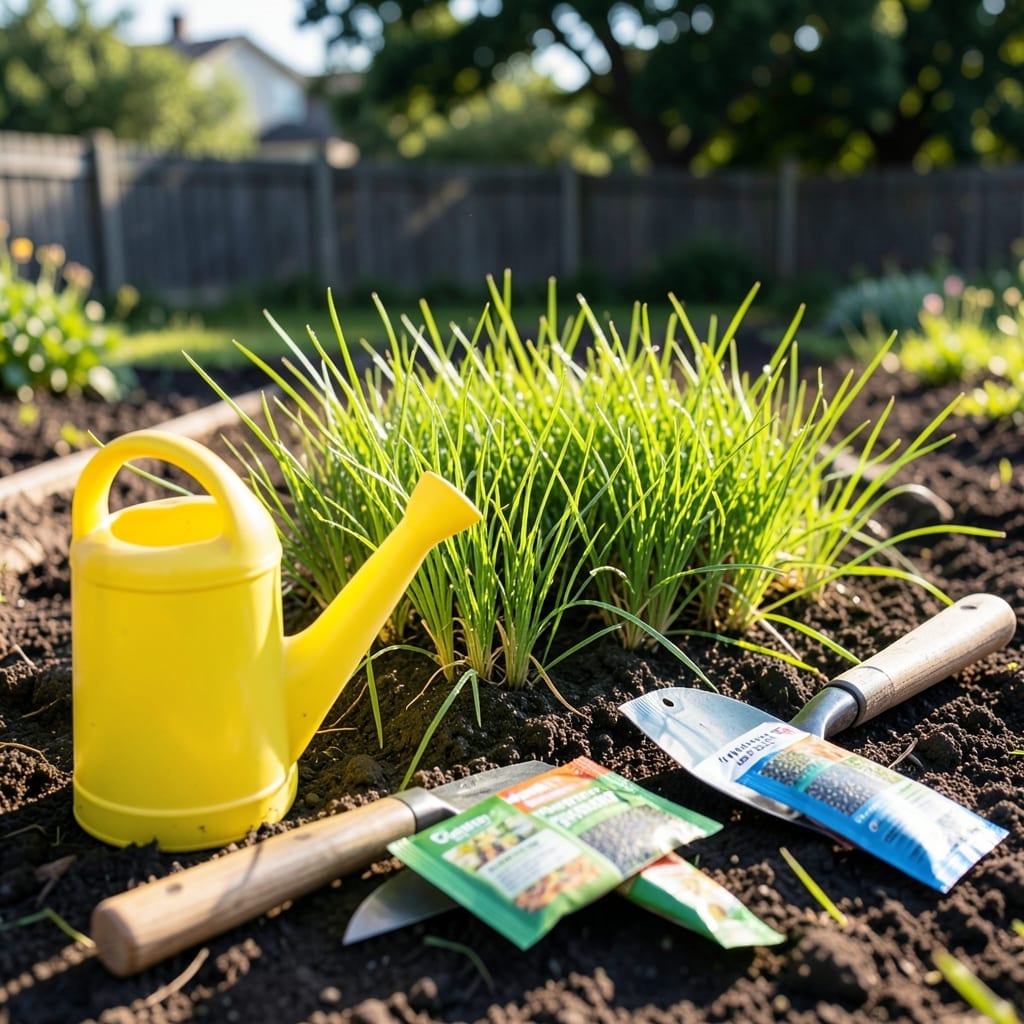
Timing is everything when planting new 🌱 Grass seed in spring—do it too early, and frost may kill your seedlings.
Too late, and summer heat can stress young grass. The perfect window ensures a thick, healthy lawn that thrives.
I’ve tested different approaches, and the right timing makes all the difference. Whether you’re in zone 6 or adjusting for your climate, this guide will help.
Discover the ideal planting window and steps to set your lawn up for success. Let’s get started.
Getting the timing right for new grass seed in spring can be tricky. I’ve learned that soil temperature is more important than air temperature for germination. Cool-season grasses need 50-55°F soil temps, while warm-season types thrive at 60-65°F. 🌱
Your USDA zone plays a huge role too. In cooler zones like 3-5, late April to early May is ideal. In warmer zones like 7-9, you can start as early as March. Always check local frost dates to avoid surprises. 🌿
| Grass Type | Ideal Soil Temp | Best Planting Months | USDA Zones |
|---|---|---|---|
| Cool-Season | 50-55°F | April-May | 3-6 |
| Warm-Season | 60-65°F | March-April | 7-11 |
| Transition Zone | 55-60°F | April-May | 5-7 |
In my experience, early spring planting often leads to better root establishment. The key is waiting until the last frost has passed. For cool-season grasses like Kentucky bluegrass, this is usually mid-April in most regions. ✂️
For warm-season grasses like Bermuda or Zoysia, I recommend waiting until late April or early May when soil temps consistently hit 60°F. This timing helps avoid cold snaps that can stunt growth.
Don’t forget to check your local weather patterns. A soil thermometer is a gardener’s best friend—it takes the guesswork out of timing. I keep mine handy during planting season to track temperature trends.
If you’re in a transition zone like parts of Virginia or North Carolina, you have more flexibility. Both cool and warm-season grasses can work, but timing is still crucial. Aim for mid-April to early May for best results.
Remember that seed germination takes 7-21 days depending on the variety. Keep the soil consistently moist during this period. I use a light mulch to help retain moisture without smothering the seeds.
Finally, consider your lawn’s sun exposure. Shady areas might need different grass types or slightly adjusted timing. I’ve had success with fine fescue in shadier spots planted a bit later in spring. 🌳
By matching your grass type to your climate zone and monitoring soil temps, you’ll give your new lawn the best start possible. The effort pays off with a lush, green carpet that lasts for years.
While timing is crucial, other key factors determine whether your grass seed thrives. I’ve found that soil moisture is one of the most overlooked aspects. Seeds need consistent moisture to sprout, but too much water can drown them. 🌱
Another critical element is seed-to-soil contact. If seeds sit on the surface, they won’t germinate well. I always rake lightly after spreading seed to ensure good contact. This simple step can double your success rate.
Sunlight exposure also plays a major role. Most grass varieties need at least 6 hours of sun daily. In shady areas, I recommend fine fescue or shade-tolerant mixes for better results.
Weed competition can choke out new grass seedlings. I always remove weeds and debris before planting. Using a pre-emergent herbicide can help, but avoid applying it after seeding as it may prevent grass germination too. 🌿
Post-planting care is just as important as preparation. I water my new grass seed daily for the first two weeks, then gradually reduce frequency. The goal is to keep the top inch of soil moist without waterlogging.
Finally, consider your soil quality. A soil test can reveal pH imbalances or nutrient deficiencies. I amend my soil with compost before planting to give seeds the best possible start. This extra effort pays off with faster, more uniform germination.