
Beautiful Plants For Your Interior
Beautiful Plants For Your Interior
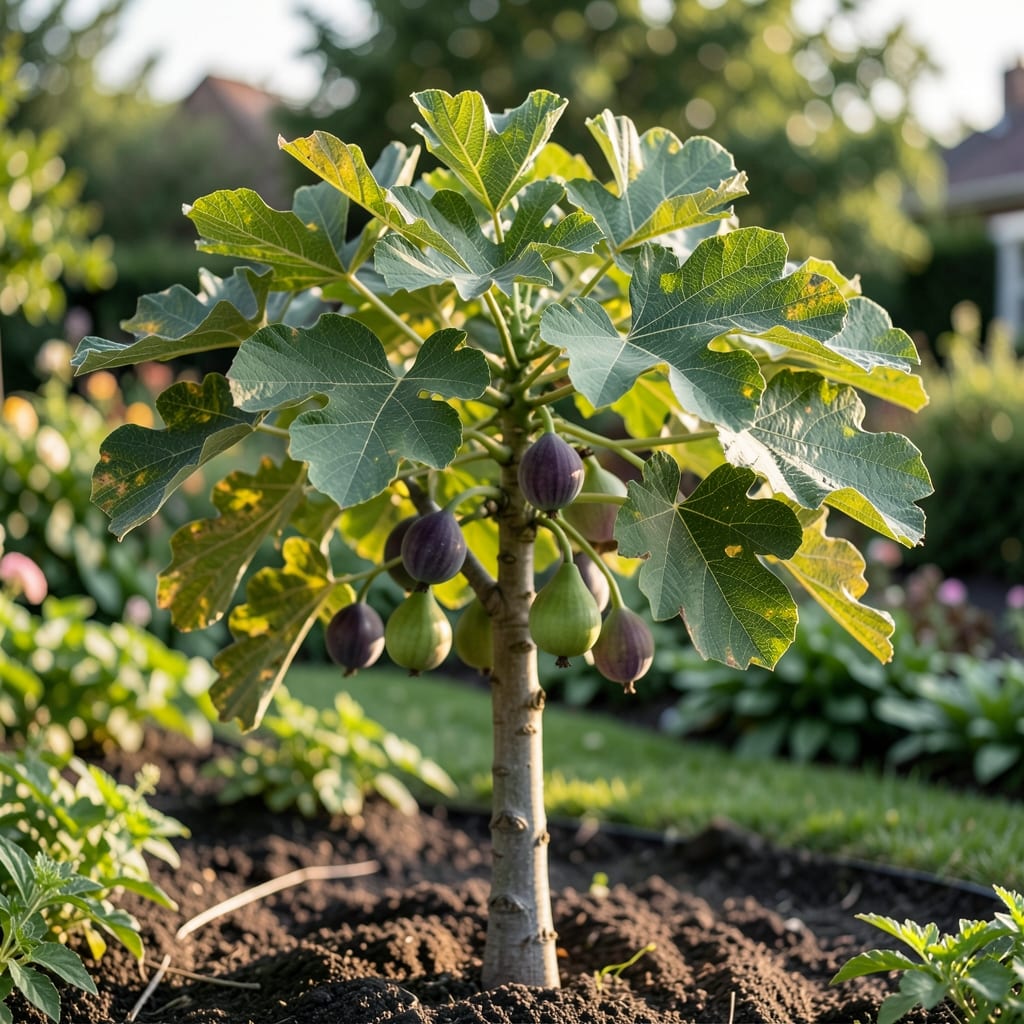
Yellow fig leaves had me stumped my first season. Turns out, it’s usually one of three culprits: too much water, not enough nutrients, or sneaky pests hiding under leaves.
I fixed mine by checking the soil first—figs hate wet feet. Then I looked for webbing or spots. Most issues clear up with a simple adjustment once you know what to look for.
You’ll get your tree back to its vibrant green with the right approach. The key is diagnosing correctly before treating.
Works for potted figs, backyard trees, or even new transplants. Here’s how to get to the root of the problem.
Fig leaves turning yellow can be unsettling, but understanding the root causes helps you act quickly. Here’s why it happens:
Yellowing often signals a lack of essential nutrients like nitrogen, magnesium, or iron. Nitrogen deficiency typically starts in older leaves, turning them uniformly yellow. Magnesium shortages cause interveinal chlorosis (yellowing between veins), often in lower leaves first. Iron deficiency, common in alkaline soils, leads to yellowing in new growth while veins stay green. A soil test confirms which nutrient is lacking.
Fig trees hate soggy roots. Overwatering suffocates roots, blocking nutrient uptake and causing yellow, droopy leaves. Conversely, underwatering stresses the tree, leading to dry, crispy yellow edges. Check soil moisture 2 inches deep—it should be moist but not waterlogged. Adjust watering based on rainfall and soil drainage.
Sap-sucking pests like spider mites, aphids, or scale drain nutrients, causing yellow stippling or mottling. Inspect leaf undersides for tiny bugs, webbing, or sticky residue (honeydew). A strong blast of water or neem oil spray can dislodge and deter pests early.
Diseases like leaf spot or root rot trigger yellow patches or halos. Fungal issues often follow wet, humid conditions, while bacterial infections spread in warm, damp weather. Remove infected leaves and improve air circulation. Copper fungicides can help, but prevention (proper spacing, drip irrigation) is key.
Restoring your fig tree’s vibrant green foliage starts with addressing the root cause. Below are targeted fixes for common issues, along with prevention tips to keep your tree thriving.
If yellowing is due to a lack of nitrogen, iron, or magnesium, apply a balanced organic fertilizer (10-10-10) or amend the soil with compost. For iron deficiency (interveinal yellowing), use chelated iron or sprinkle used coffee grounds around the base. Prevention tip: 💡 Test soil annually and fertilize in early spring before new growth starts.
Let the top 1–2 inches of soil dry out between waterings. If drainage is poor, mix in perlite or sand to improve aeration. For potted figs, ensure containers have drainage holes. Prevention tip: 🌡️ Use a moisture meter to avoid guesswork—figs prefer slightly dry soil over soggy roots.
For spider mites or aphids, spray leaves with neem oil (1 tbsp per gallon of water) or insecticidal soap weekly until pests are gone. Wipe leaves with a damp cloth to remove residue. Prevention tip: ✨ Encourage ladybugs and lacewings (natural predators) by planting companion flowers like marigolds nearby.
If leaves yellow from excessive sun (especially young trees), erect a shade cloth (30–50% coverage) during peak afternoon hours. Gradually acclimate indoor figs to outdoor light. Prevention tip: 🎯 Rotate potted figs weekly for even light exposure.
Protect figs from sudden temperature swings or cold drafts. Mulch around the base to retain moisture and regulate soil temperature. Prevention tip: 🔥 In colder climates, wrap the tree in burlap or move potted figs indoors before frost.
Overwatered figs develop yellow, droopy leaves that may feel soft or mushy. The soil stays soggy, and roots may rot, blocking nutrient uptake. Let soil dry 1-2 inches deep between waterings.
Once fig leaves turn yellow due to nutrient deficiency or age, they won’t regain color. Focus on fixing the underlying issue to prevent new leaves from yellowing. Remove severely damaged leaves to redirect energy.
Check leaf undersides for tiny bugs, webbing, or sticky residue. Spider mites and aphids cause stippled yellowing. A blast of water or neem oil can dislodge them early.
Yes, lower leaves naturally yellow and drop as the tree matures. This is normal aging, not a problem. Only worry if yellowing spreads to new growth or most leaves.