
Beautiful Plants For Your Interior
Beautiful Plants For Your Interior
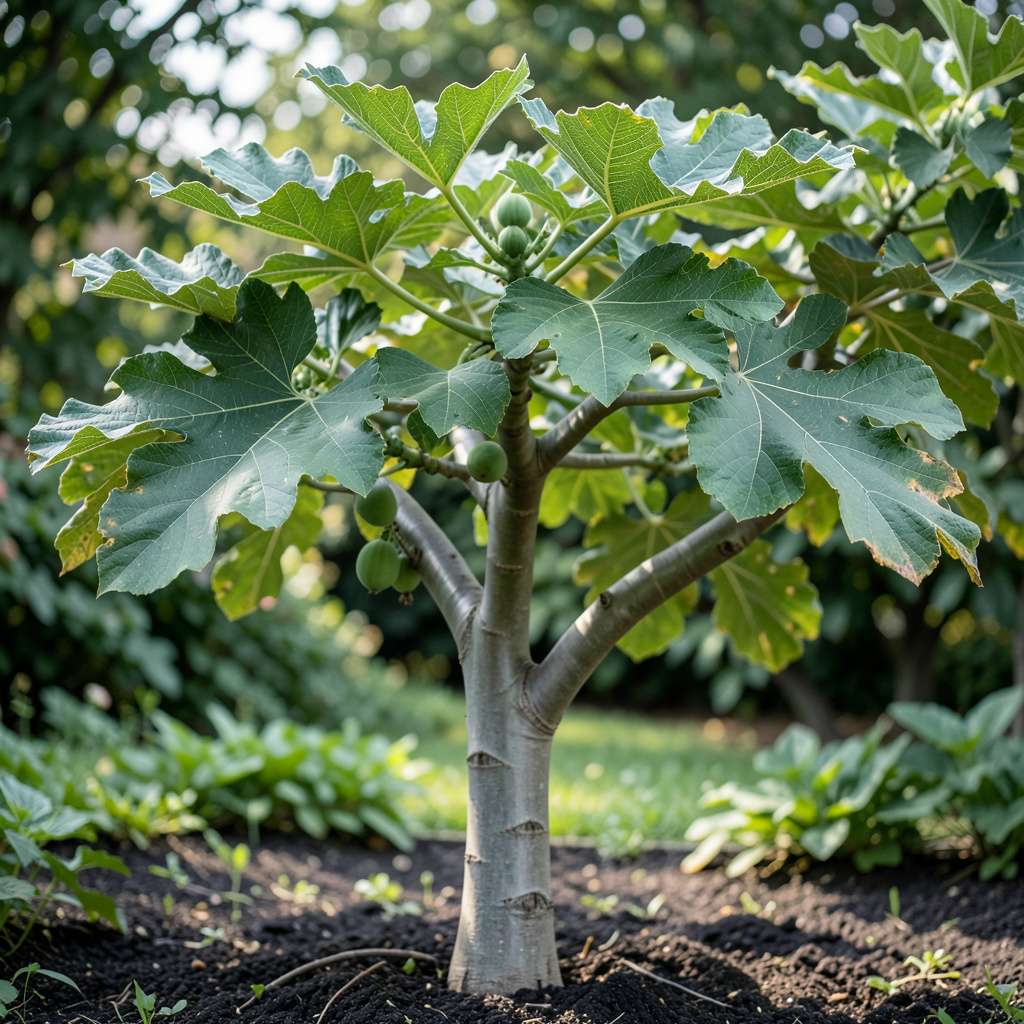
Yellow fig leaves often signal overwatering, nutrient deficiencies, or poor drainage. Check soil moisture first—let it dry slightly between waterings. Nutrient imbalances (especially nitrogen) or sudden temperature shifts can also cause yellowing.
I’ve learned through years of gardening that yellow leaves are your fig tree’s way of sending an SOS. 🌱 The most common culprit I see is overzealous watering—figs prefer their soil to dry out between drinks, unlike thirstier plants. What’s tricky is that both underwatering and overwatering can cause similar symptoms, so I always recommend the finger test: stick your finger 2 inches deep into the soil before deciding to water.
Another factor many overlook is how sensitive figs are to environmental changes. A sudden cold snap or heatwave can stress the tree, causing leaves to yellow as it conserves energy. I’ve noticed this happens most often with potted figs, which lack the insulation of in-ground planting. The good news is that with proper adjustments, most fig trees bounce back within 2-3 weeks of fixing the underlying issue. ✨
💡 In This Article
When fig leaves start yellowing, the roots are often gasping for air. Overwatering creates a waterlogged environment where oxygen can’t reach the root system. Within 24-48 hours of excessive moisture, root cells begin dying from suffocation, triggering a chain reaction that stops nutrient uptake.
The leaves turn yellow because chlorophyll production halts—without proper root function, the tree can’t manufacture the green pigment needed for photosynthesis. 🌱
Nitrogen deficiency shows up differently than water stress. While overwatered leaves often yellow uniformly, nitrogen-starved leaves develop a pale green or yellow tint starting from the bottom of the tree and moving upward. This happens because nitrogen is mobile—when supplies run low, the tree robs it from older leaves to feed new growth.
A soil test revealing levels below 20-30 ppm confirms this issue. What’s fascinating is how quickly figs respond to nitrogen: you’ll often see greener new leaves within 7-10 days of proper fertilization. ✨
The soil’s pH plays a sneaky role too. Fig trees thrive in slightly acidic to neutral soil (6.0-7.0 pH), but when the pH drifts outside this range, nutrient lockout occurs. Iron deficiency—common in alkaline soils—causes yellowing between leaf veins while the veins themselves stay green.
I’ve seen this pattern confuse many gardeners who mistake it for nitrogen deficiency. A simple pH meter test can save weeks of guesswork. 💡
Environmental stressors trigger yellowing through a different mechanism. Sudden temperature drops below 50°F or spikes above 90°F cause the tree to conserve energy by shedding leaves. The yellowing starts at the leaf edges and progresses inward—a telltale sign of stress rather than disease.
Potted figs are particularly vulnerable because their roots lack the insulation of in-ground planting. During heatwaves, I’ve measured soil temperatures in containers reaching 110°F, which is lethal for fine feeder roots. ⚡
Here’s what most people miss about drainage issues: it’s not just about water escaping, but about the soil structure. Compacted or clay-heavy soil creates pockets where water pools, even if the surface appears dry. The roots in these waterlogged zones develop root rot, which appears as black, mushy tissue when inspected.
Above ground, you’ll see yellow leaves that feel soft and limp rather than crisp. Amending with 30% perlite or coarse sand transforms the soil’s drainage capacity dramatically. 💫
One final clue lies in the pattern of yellowing. When entire leaves turn yellow uniformly before dropping, suspect overwatering or root issues. But if only the veins stay green while the tissue between them yellows (called interveinal chlorosis), you’re likely dealing with a micronutrient deficiency—most commonly iron, manganese, or zinc.
This pattern occurs because these nutrients are essential for chlorophyll production in the leaf tissue but not in the veins themselves. 🌟
Fig trees thrive when the top 2-3 inches of soil dry out between waterings. In hot climates, this typically means watering every 5-7 days. Always perform the finger test before watering—stick your finger 2 inches deep into the soil. If it feels damp, wait another day or two.
Once fig leaves turn yellow, they won’t revert to green. However, new growth should emerge healthy if you’ve addressed the underlying issue. Focus on correcting the problem (watering, nutrients, etc.) and monitor new leaves. You’ll typically see improvement within 2-3 weeks of proper care.
A balanced 10-10-10 fertilizer works well for general nutrition. For quick results with nitrogen deficiency, use fish emulsion (dilute 1 tablespoon in 1 gallon of water). Apply in early spring before new growth starts, and avoid fertilizing during dormancy.
Yes, gently remove severely yellowed leaves to help the tree focus energy on healthy growth. Use clean pruning shears and make cuts at a 45-degree angle near the stem. Never remove more than 30% of the foliage at once, as this can stress the tree further.
Potted figs are more vulnerable because their roots can’t escape temperature extremes. Containers also dry out faster and can become waterlogged more easily. Use pots with 5+ drainage holes and consider moving them to sheltered locations during weather extremes. Container soil should be amended with 30% perlite for optimal drainage.
