
Beautiful Plants For Your Interior
Beautiful Plants For Your Interior
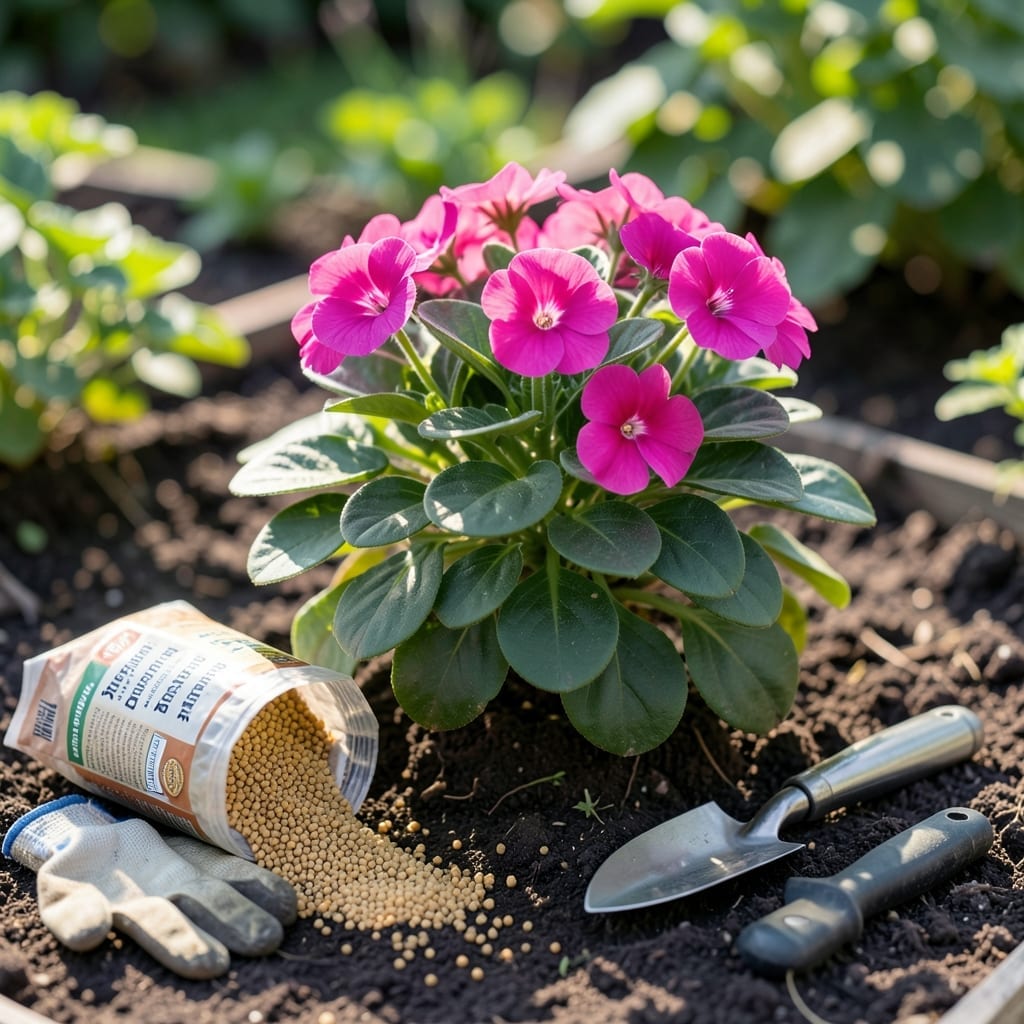
Sunpatiens 🌸 are the superstars of summer gardens, but even these tough plants need the right fuel to shine. Without proper feeding, their blooms can look tired and lackluster.
I’ve learned that the secret to vibrant, non-stop color lies in choosing the right fertilizer and using it consistently. It’s not complicated, but it does require a little know-how.
In this guide, I’ll walk you through the best options for Sunpatiens, from balanced formulas to slow-release granules. You’ll discover exactly what works and why.
By the end, you’ll have all the tools to keep your 🌸 Sunpatiens thriving with more blooms and healthier growth all season long.
SunPatiens 🌸 are heavy feeders that thrive on a steady diet of nutrients to produce their signature vibrant blooms. Their unique genetics demand a bit more attention than regular impatiens.
I’ve found that the right fertilizer can transform lackluster plants into showstoppers. The key is matching the formula to their growth stage and environment.
| Type | NPK Ratio | Best For | Frequency |
|---|---|---|---|
| Balanced Liquid | 10-10-10 | Overall growth | Every 2 weeks |
| Slow-Release Granular | 14-14-14 | Low-maintenance feeding | Every 8-10 weeks |
| Bloom Booster | 12-4-8 | More flowers | Monthly |
| Organic Compost | Varies | Soil health | At planting |
A balanced liquid fertilizer like 10-10-10 is my top pick for most gardeners. It delivers equal parts nitrogen, phosphorus, and potassium to support both foliage and blooms.
For those who prefer a hands-off approach, slow-release granules work wonders. They feed your SunPatiens gradually, reducing the risk of nutrient burn that can occur with frequent liquid feeding.
If you’re aiming for maximum blooms, a phosphorus-rich formula like 12-4-8 can help. I use this when I want my SunPatiens to put on a flower show for special occasions.
Organic options like compost or worm castings are excellent for improving soil structure. While they don’t provide immediate nutrients, they create a healthy foundation for long-term growth.
Remember that SunPatiens in containers need more frequent feeding than those in the ground. The limited soil volume means nutrients get used up faster.
I always recommend testing your soil before choosing a fertilizer. A simple test can reveal if you’re lacking in any particular nutrient, allowing you to tailor your approach for best results.
For new plantings, mix a slow-release fertilizer into the soil. This gives your SunPatiens a strong start without the risk of shocking their tender roots.
Finally, don’t forget that watering practices affect fertilizer effectiveness. Always water your plants before and after applying fertilizer to prevent root burn and ensure even distribution 🌿
Timing and technique matter just as much as the fertilizer type when feeding SunPatiens. I’ve learned that consistency and proper application can make the difference between mediocre blooms and a stunning display.
For best results, start fertilizing your SunPatiens at planting time and continue throughout the growing season. This ensures they have the nutrients they need to establish strong roots and produce vibrant flowers.
I always fertilize my SunPatiens in the early morning when temperatures are cooler. This helps prevent fertilizer burn and allows the plants to absorb nutrients before the heat of the day.
For container-grown SunPatiens, I use a slightly weaker solution than the package recommends. The confined root system can be more sensitive to strong fertilizers, and this approach reduces the risk of overfeeding.
If you notice yellowing leaves or stunted growth, it might be a sign of nutrient deficiency. In this case, I switch to a more frequent feeding schedule or consider a soil test to identify any specific shortages.
With the right timing and technique, your SunPatiens will reward you with lush foliage and an abundance of colorful blooms all season long ✂️