
Beautiful Plants For Your Interior
Beautiful Plants For Your Interior
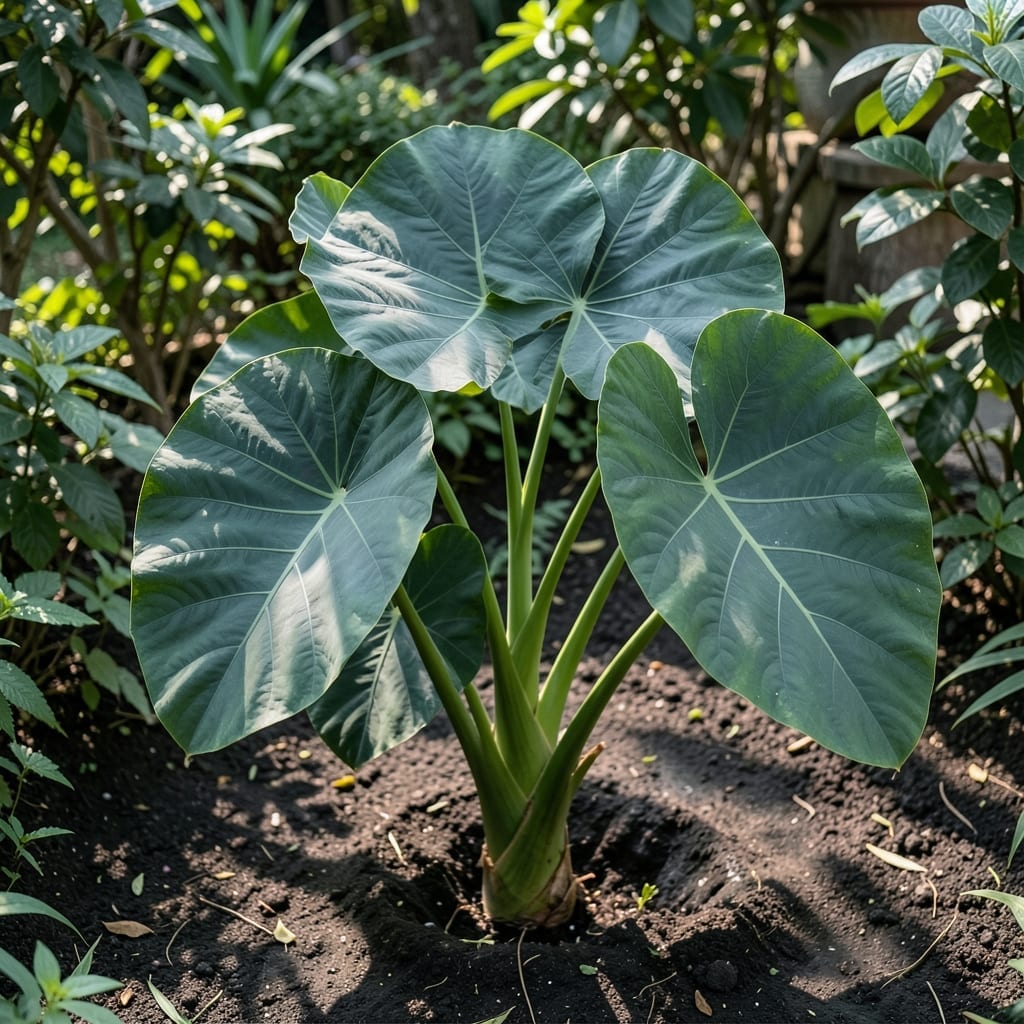
Spotted weird growths on your plants? Elephant ear fungi appear suddenly, often overnight, with distinctive fan-shaped caps that look like their namesake.
I first mistook them for harmless mushrooms until they spread across my garden beds. These fungi thrive in warm, wet conditions, often appearing after heavy rains or overwatering.
Left unchecked, they compete with plants for nutrients and can signal underlying soil issues. The good news: they’re more unsightly than dangerous, and removal is straightforward with the right approach.
You’ll learn to identify them early, remove them safely, and prevent future outbreaks with simple garden practices.
Elephant ear fungi, a common issue in gardens, often appears due to specific environmental and biological factors. Understanding these causes can help you prevent and manage outbreaks effectively.
Fungi thrive in damp conditions. Overwatering or poor drainage creates the perfect breeding ground for elephant ear fungi. When soil remains soggy, spores germinate and spread rapidly, leading to visible fungal growth on plant leaves and stems.
Decaying leaves, mulch, or other organic matter provide nutrients for fungi. If your garden has accumulated plant debris, it can harbor spores that later infect healthy plants. Regularly clearing fallen leaves and maintaining clean garden beds reduces this risk.
Elephant ear fungi proliferate in warm, humid climates. High temperatures combined with moisture accelerate spore production. If your region experiences prolonged humidity, monitor plants closely for early signs of infection.
Stagnant air traps moisture around plants, promoting fungal growth. Dense plantings or lack of pruning can restrict airflow, creating microclimates where fungi flourish. Thinning out foliage and spacing plants properly improves ventilation.
Dealing with elephant ear fungi in your garden doesn’t have to be a losing battle. Here’s how to tackle common issues and keep your plants thriving.
If you notice an excess of fungi around your elephant ear plants, start by removing visible growth with a sterilized knife or gardening shears. Dispose of the infected material in a sealed bag to prevent spores from spreading. Apply a natural fungicide like neem oil or a baking soda solution (1 tbsp baking soda + 1 gallon of water + a few drops of dish soap) to the affected area. Prevention tip: 💡 Improve airflow by spacing plants properly and avoiding overwatering.
Fungal infections often cause leaves to turn yellow or wilt. Trim the damaged leaves immediately and treat the plant with a copper-based fungicide to halt the spread. Ensure your elephant ear plants are getting the right amount of light—too much shade can encourage fungal growth. Prevention tip: ✨ Water the soil directly, not the leaves, to reduce moisture on foliage.
Fungi can attract pests like slugs and snails, which further damage your plants. Use organic pest controls such as diatomaceous earth or beer traps to keep them at bay. Inspect your plants regularly for early signs of infestation. Prevention tip: 🎯 Keep your garden clean by removing debris and fallen leaves where pests and fungi can hide.
Elephant ear plants love moisture but can suffer if the soil stays soggy. Improve drainage by amending the soil with compost or sand. If the plant is in a container, ensure it has drainage holes. Prevention tip: 🌡️ Water only when the top inch of soil feels dry to the touch.
Look for fan-shaped caps with a velvety texture, often appearing overnight. They typically grow in clusters near the base of plants or in mulched areas.
Generally no, but it competes for nutrients and may indicate poor soil health. Remove it promptly to prevent potential spread of spores.
No. Always dispose of infected material in sealed bags to avoid contaminating your compost. High heat in active compost piles may kill spores, but it’s risky.