
Beautiful Plants For Your Interior
Beautiful Plants For Your Interior
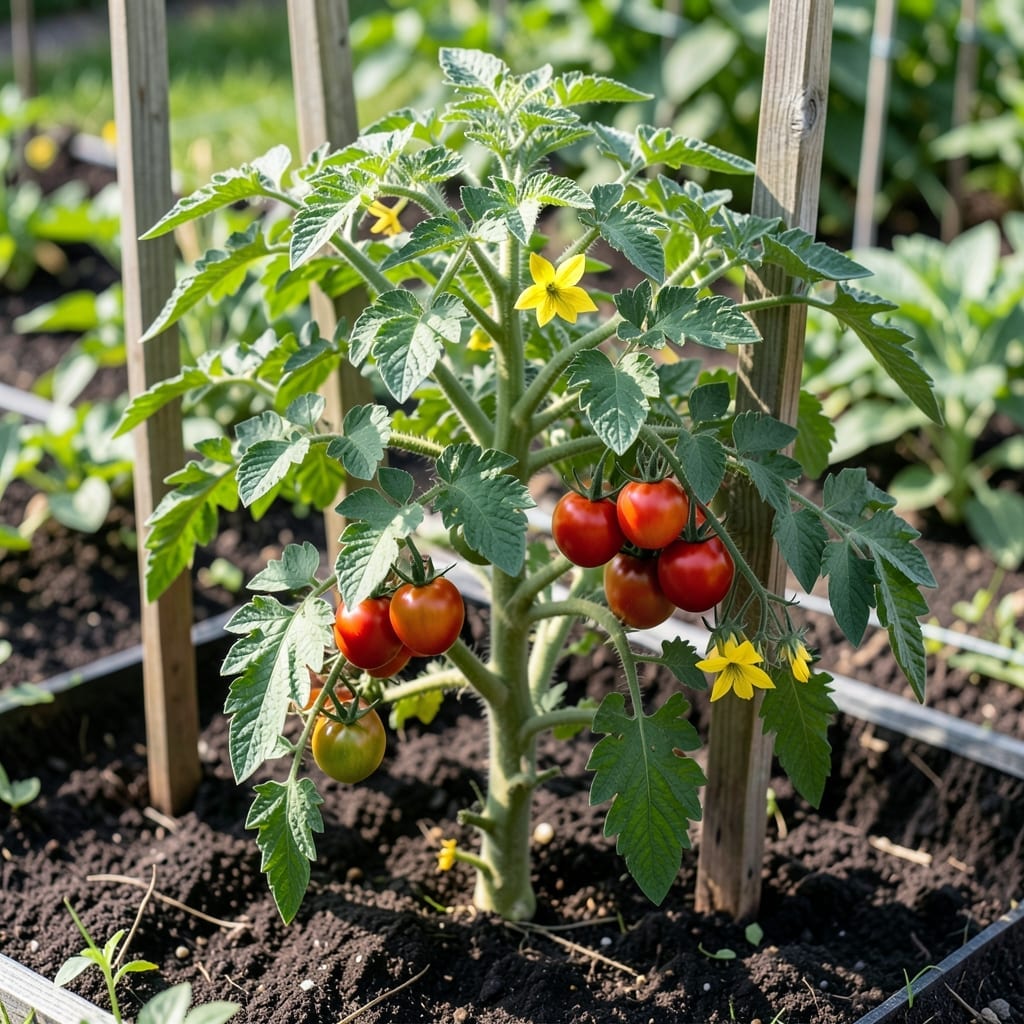
That sinking feeling when you see your tomato leaves hanging like wet laundry. I’ve been there—yesterday they looked fine, today they’re a sad, wilted mess.
Here’s the thing—drooping leaves are your plant’s way of saying help. It could be too little water, too much, or something sneaking up from the roots. The good news? Most causes are fixable if you catch them early.
You’ll spot the difference between thirsty plants and drowning ones in 24 hours. Underwatered leaves feel crispy; overwatered ones stay limp even after a drink.
We’ll walk through the signs, the fixes, and how to keep them from coming back. No green thumb required.
Drooping leaves in tomato plants often signal underlying stress. Here are the most common causes, explained with actionable insights:
Tomatoes need consistent moisture. Too little water causes leaves to wilt as the plant conserves energy, while overwatering suffocates roots, blocking nutrient uptake. Check soil 1–2 inches deep—it should feel slightly damp, not soggy or bone-dry.
Tomatoes thrive in 70–85°F (21–29°C). Exposure to temperatures above 90°F (32°C) or below 50°F (10°C) disrupts cellular function, leading to limp foliage. Wilting in midday heat is often temporary, but prolonged stress requires shade cloth or row covers.
Pathogens like Fusarium or Verticillium wilt clog the plant’s vascular system, starving leaves of water. Early signs include yellowing before drooping. Remove infected plants and rotate crops to prevent recurrence. Bacterial leaf spot also causes wilting; copper-based sprays can help.
Sap-sucking pests (e.g., aphids, whiteflies) drain fluids from leaves, causing them to curl or droop. Inspect undersides of leaves for clusters or sticky residue (honeydew). Treat with neem oil or insecticidal soap.
Lack of potassium or magnesium weakens cell structure, leading to flaccid leaves. Yellowing between leaf veins (interveinal chlorosis) often points to magnesium deficiency. Amend soil with compost or a balanced fertilizer (e.g., 10-10-10).
Don’t panic if your tomato plant’s leaves are sagging—most causes are fixable with quick action. Below are targeted solutions for the most common issues, plus tips to keep your plants thriving long-term.
Give your plant a slow, deep soak at the base until the soil is moist 6–8 inches down. Avoid wetting the leaves to prevent disease. Prevention tip: 💡 Check soil moisture by sticking your finger 2 inches deep—if it’s dry, it’s time to water. Mulch around the base to retain moisture.
Stop watering immediately and let the soil dry out. If the roots are waterlogged, gently loosen the soil with a fork to improve aeration. Prevention tip: 🌱 Use well-draining soil and pots with drainage holes. Water only when the top 1–2 inches of soil feel dry.
Move potted plants to a shadier spot or use shade cloth for in-ground plants during peak heat (11 AM–3 PM). Increase watering frequency in extreme heat. Prevention tip: ☀️ Plant tomatoes where they get morning sun and afternoon shade in scorching climates.
For aphids or whiteflies, spray leaves with a mix of water and mild soap. For fungal issues (like early blight), remove affected leaves and apply a copper-based fungicide. Prevention tip: 🛡️ Rotate crops yearly and avoid overhead watering to reduce disease risk.
Yellowing leaves often signal a lack of nitrogen or magnesium. Use a balanced fertilizer (10-10-10) or add compost for a nutrient boost. For magnesium, try Epsom salt (1 tbsp per gallon of water) as a foliar spray. Prevention tip: 🌿 Test soil annually and amend as needed before planting.
Check the soil 2 inches deep. Bone-dry means underwatering; soggy means overwatering. Underwatered leaves feel crispy, while overwatered ones stay limp even after watering.
Midday wilting in extreme heat is often temporary. However, prolonged exposure above 90°F can weaken plants. Use shade cloth and increase watering to prevent lasting harm.
For underwatering, give a deep soak at the base. For overwatering, stop watering and improve drainage. Most plants perk up within 24 hours of the right fix.
Yes, aphids and whiteflies suck sap from leaves, causing them to curl or droop. Inspect leaf undersides for clusters or sticky residue and treat with neem oil.