
Beautiful Plants For Your Interior
Beautiful Plants For Your Interior
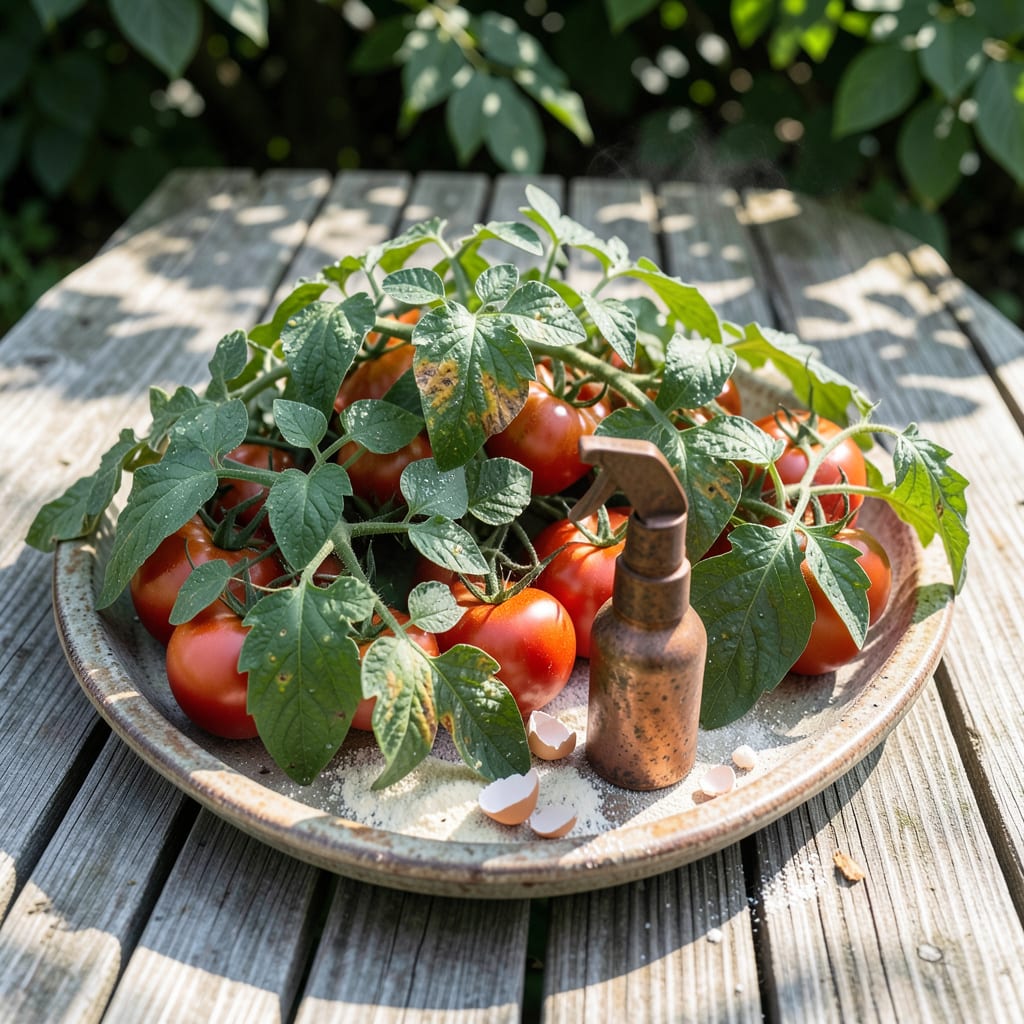
Spotted brown patches on your tomato leaves mean trouble. I learned the hard way that early action saves the entire plant—and your harvest.
Blight spreads fast, but it’s not a death sentence. The key is catching it before it moves from lower leaves to stems and fruit. I now check my plants daily during wet weather, when blight thrives in warm, humid conditions.
Organic treatments work if you start them immediately. Copper sprays and baking soda solutions create a protective barrier, while removing infected leaves stops the spread. My tomatoes bounced back within 2 weeks after consistent treatment.
Prevention beats cure every time. Proper spacing, drip irrigation, and crop rotation keep my garden blight-free most seasons. Here’s how to spot it early and fight back.
Tomato blight is a frustrating issue for gardeners, but understanding its root causes can help you prevent it. Here are the primary culprits behind this common plant disease:
Blight is most often caused by fungal organisms like Phytophthora infestans (late blight) or Alternaria solani (early blight). These fungi thrive in warm, wet conditions, spreading rapidly through spores carried by wind or water. Overhead watering and poor air circulation create the perfect breeding ground.
Prolonged leaf wetness—from rain, dew, or irrigation—accelerates fungal growth. Tomatoes with dense foliage or those planted too closely trap moisture, increasing infection risk. Drip irrigation and proper spacing can mitigate this.
Blight can linger in soil or overwinter on plant debris. Using contaminated seed potatoes, seedlings, or gardening tools introduces the fungus to healthy plants. Crop rotation and sanitizing tools are key preventive measures.
Cool nights (below 50°F) combined with warm days (70-80°F) create ideal conditions for blight spores to germinate. Sudden temperature swings stress plants, weakening their defenses against infection.
By addressing these causes—improving airflow, managing moisture, and practicing good hygiene—you can significantly reduce blight outbreaks in your garden.
Blight doesn’t have to spell the end for your tomato plants. Here’s how to tackle each type with practical, organic solutions—and keep your garden thriving. 🌱
Remove infected leaves immediately to stop the spread. Use sterilized pruners to cut at least 2 inches below visible spots. Apply copper fungicide or a baking soda spray (1 tbsp baking soda + 1 tsp dish soap + 1 gallon water) every 7–10 days. Prevention tip: 💡 Space plants 2–3 feet apart for airflow, and water at the base to avoid wetting leaves.
This aggressive strain requires swift action. Pull and destroy (do not compost!) severely infected plants. For mild cases, apply neem oil or potassium bicarbonate sprays. Prevention tip: 🌡️ Rotate crops yearly and avoid overhead watering. Mulch with straw to prevent soil splashing onto leaves.
Remove and burn infected foliage. Treat remaining plants with sulfur-based fungicides or a garlic-chili spray (blend 2 garlic bulbs + 2 chili peppers + 1 liter water, strain, and spray). Prevention tip: ✨ Disinfect garden tools with rubbing alcohol, and avoid working with wet plants.
Pro tip for all blights: 🎯 Boost plant resilience with companion planting—basil, marigolds, or nasturtiums repel pests and improve soil health. Always start with disease-resistant tomato varieties like ‘Mountain Merit’ or ‘Defiant’ for a stronger defense.
Blight can spread rapidly, sometimes moving through an entire plant in 2-3 days under ideal fungal conditions. Early detection is critical to prevent total loss.
For mild cases, pruning infected parts and applying treatments may help. However, severely infected plants should be removed and destroyed to protect others.
Apply in the morning when leaves are dry, allowing 6-8 hours before potential rain. This ensures maximum absorption and effectiveness.
Yes! Plants like basil or marigolds repel pests and improve soil health, creating a less favorable environment for blight.
