
Beautiful Plants For Your Interior
Beautiful Plants For Your Interior
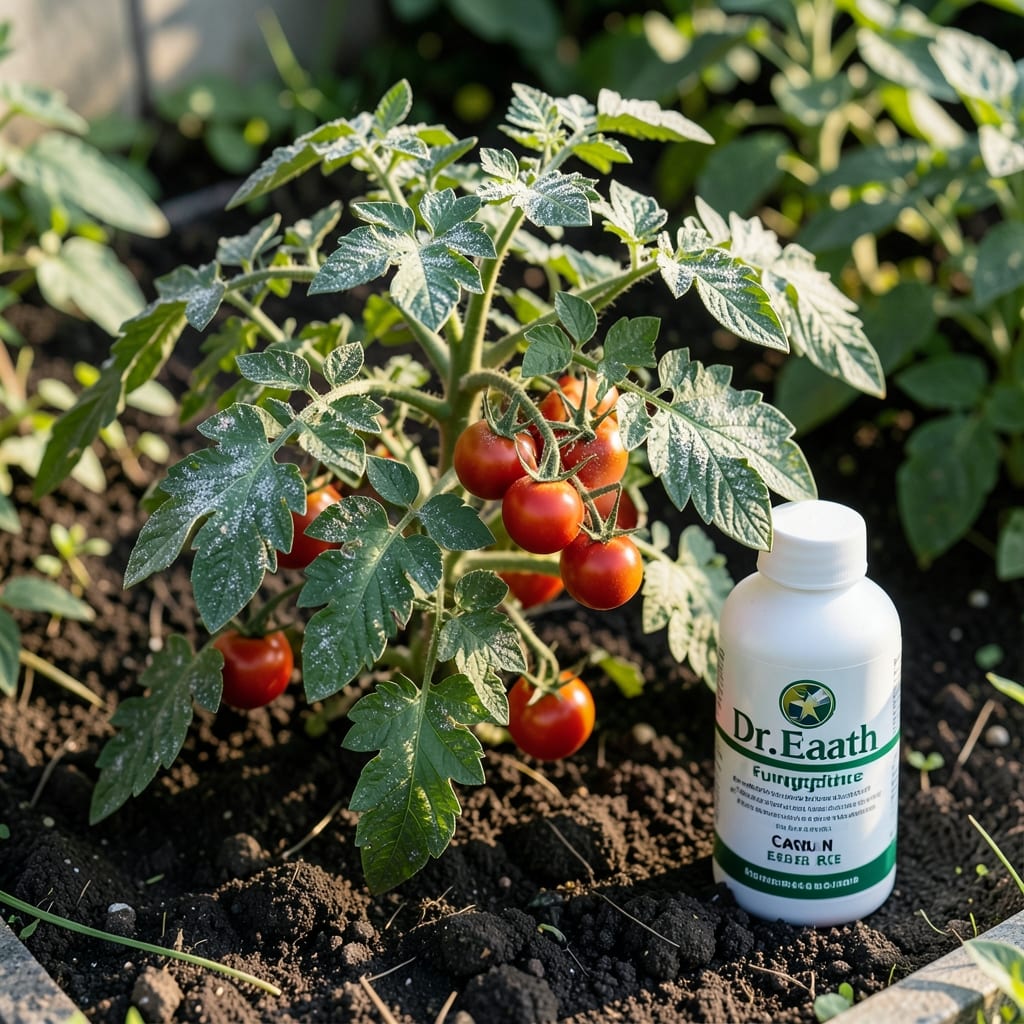
I lost my entire zucchini crop to powdery mildew last summer. Then I discovered this organic solution that stops fungal diseases without harsh chemicals.
Now I apply it at the first sign of trouble—spots, wilting, or that white powder—and my plants stay healthy through the season. Works on roses, veggies, even houseplants with the right timing.
📚 In This Guide
This organic approach protects your garden without harsh chemicals—safe for plants, people, and pollinators.
First, inspect your plants for signs of fungal disease like powdery mildew, black spot, or rust. Look for discolored patches, fuzzy growth, or spots on leaves and stems. Early detection makes treatment far more effective.
I always start with the most affected plants and work my way through the garden. Focus on the undersides of leaves too—that’s where many fungal issues begin. Mark these areas mentally or with small flags so you don’t miss them during application.
Shake the Dr Earth fungicide bottle well before use, as the organic ingredients can settle. Follow the label instructions for mixing with water—typically 2-4 tablespoons per gallon for most garden applications.
Use room temperature water in a clean sprayer. I prefer a pump sprayer for even coverage, but a simple hand-held spray bottle works for smaller gardens. Mix only what you’ll use that day, as the solution loses potency after 24 hours.
Spray the solution evenly over all plant surfaces, especially the undersides of leaves where fungi often hide. Apply until the leaves are dripping slightly—this ensures complete coverage.
Work on a calm, dry day with temperatures between 50-85°F. Avoid applying in direct sunlight or when rain is expected within 24 hours. I start early in the morning so leaves dry quickly, reducing the risk of sunburn.
For best results, reapply every 7-10 days or after heavy rain. Prevention is easier than treatment, so I spray healthy plants nearby too—fungal spores can spread quickly.
Check treated plants after 48 hours for signs of improvement. You should see reduced spreading of fungal spots and new growth appearing healthy. Continue applications as needed throughout the growing season.
Keep your garden clean by removing fallen leaves and debris, which can harbor fungal spores. Water at the base of plants rather than overhead to prevent moisture from lingering on leaves. Healthy plants with good air circulation are less susceptible to fungal diseases.
Here’s what I’ve learned from years of keeping my garden thriving with this method.
Application Timing: The 50-85°F temperature range in Step 3 is non-negotiable. Spraying in cooler or hotter conditions can stress plants or cause the solution to evaporate too quickly, reducing its effectiveness. I always check the weather forecast the night before to ensure I pick the right day.
Solution Freshness: In Step 2, the note about mixing only what you’ll use in 24 hours is critical. I learned the hard way that leftover solution loses its potency and won’t work as well. If you have extra, discard it—it’s not worth the risk of ineffective treatment.
Coverage Matters: In Step 3, when it says to spray until leaves are dripping slightly, don’t hold back. Fungal spores hide on the undersides of leaves, so thorough coverage is the only way to ensure you’re targeting all potential problem areas. A pump sprayer makes this easier, but even a hand-held bottle works if you’re diligent.
Monitoring Progress: After application, the 48-hour check in Step 4 is your first real test. If you don’t see improvement, don’t panic—some fungi take longer to respond. But if the problem persists after a week, reassess your coverage or consider a second application sooner than the 7-10 day window.
Apply every 7-14 days as a preventive measure, or weekly if treating an active fungal infection. Always follow label instructions for best results.
Yes! It’s OMRI-listed for organic use, so it’s safe for fruits, vegetables, and herbs. Just wash produce thoroughly before eating.
Early morning or late evening is ideal to avoid heat stress and allow the solution to absorb properly before sun exposure.
Neem oil, sulfur sprays, or baking soda solutions can work for mild issues, but Dr. Earth’s blend offers broader, long-lasting protection.
Check for proper dilution, coverage, and reapplication frequency. Fungal resistance or misdiagnosis of the issue may also be factors.