
Beautiful Plants For Your Interior
Beautiful Plants For Your Interior
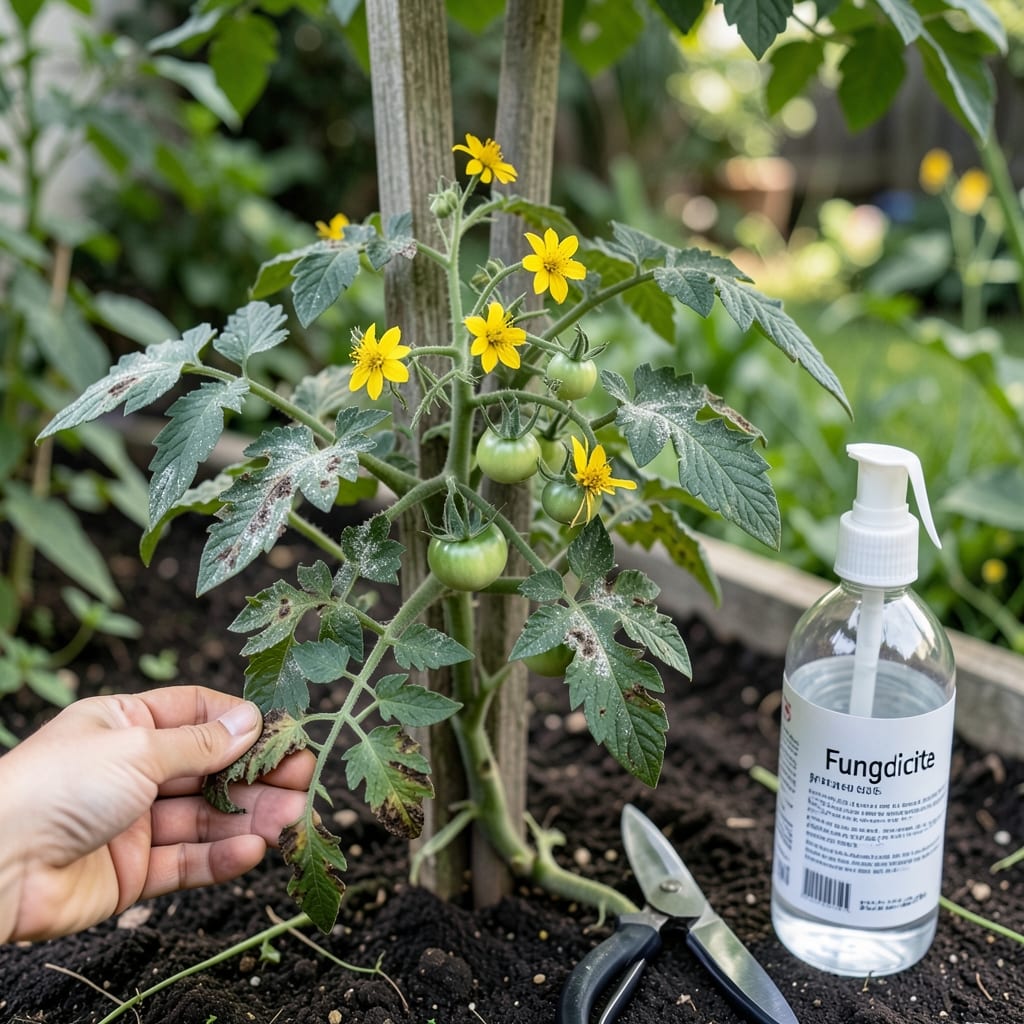
Spotted brown leaves ruining your garden? I’ve lost entire crops to fungal diseases before learning these simple prevention tricks.
Early detection is everything—catch it at the first yellowing or spotting, and you can stop the spread. Most gardeners miss the early signs until it’s too late.
Organic treatments like copper sprays and baking soda solutions work surprisingly well. The key is consistency: apply weekly before problems start.
Works for tomatoes, roses, and most vegetables. Here’s how to protect your plants without harsh chemicals.
Fungal diseases in plants and crops often stem from a combination of environmental, biological, and cultural factors. Understanding these causes is the first step toward effective fungal disease control.
Fungi thrive in damp environments. Overwatering, poor soil drainage, or high humidity creates ideal conditions for spores to germinate and spread. Standing water or consistently wet foliage (e.g., from overhead irrigation) accelerates infection rates, especially in pathogens like Phytophthora or Pythium.
Many fungal pathogens flourish in specific temperature ranges. Cool, wet springs favor diseases like powdery mildew, while warm, humid summers encourage blights and rusts. Sudden temperature swings can also stress plants, weakening their natural defenses against fungal invaders.
Dense plantings or lack of pruning restrict airflow, trapping moisture around leaves and stems. This stagnant environment promotes spore dispersal and infection, particularly for foliar diseases like downy mildew or anthracnose.
Fungal spores can persist in soil or on gardening tools for years. Reusing infected soil, compost, or unsterilized pruners introduces pathogens to healthy plants. Crop rotation and tool sanitization are critical to breaking this cycle.
Some plant cultivars lack genetic resistance to common fungi. Growing vulnerable species in high-risk areas (e.g., roses in humid climates) increases infection likelihood. Opt for disease-resistant varieties when possible.
Addressing these root causes—through proper watering, sanitation, and plant selection—can significantly reduce fungal disease pressure.
Stopping fungal diseases starts with quick action and consistent care. Below are targeted solutions for common causes, paired with prevention tips to keep your plants healthy long-term. 🌱
Fungi thrive in soggy soil. Fix this by:
Prevention tip: 💡 Add a layer of mulch to retain moisture without oversaturating roots.
Stagnant air traps humidity, inviting fungal spores. Boost circulation by:
Prevention tip: ✨ Thin out weak or overlapping leaves regularly to keep air moving.
Act fast to stop the spread:
Prevention tip: 🎯 Rotate crops annually to disrupt fungal life cycles in the soil.
Healthy plants resist disease better. Support them with:
Prevention tip: 🌡️ Avoid overhead watering—use drip irrigation to keep leaves dry.
Apply organic fungicides like neem oil every 7-10 days as prevention, or every 5 days during active outbreaks. Consistency is key to breaking the fungal life cycle.
No, fungal spores can survive in soil for years. Always sterilize with heat or replace with fresh, well-draining mix. Solarizing soil for 4-6 weeks in summer can help kill spores.
Disease-resistant varieties have genetic traits that repel fungi. Look for labels like VFN (tomatoes) or powdery mildew-resistant (roses) when selecting plants.
Avoid composting diseased plants unless your pile reaches 140°F+ for 2 weeks to kill spores. Otherwise, dispose of them in sealed bags to prevent spread.