
Beautiful Plants For Your Interior
Beautiful Plants For Your Interior
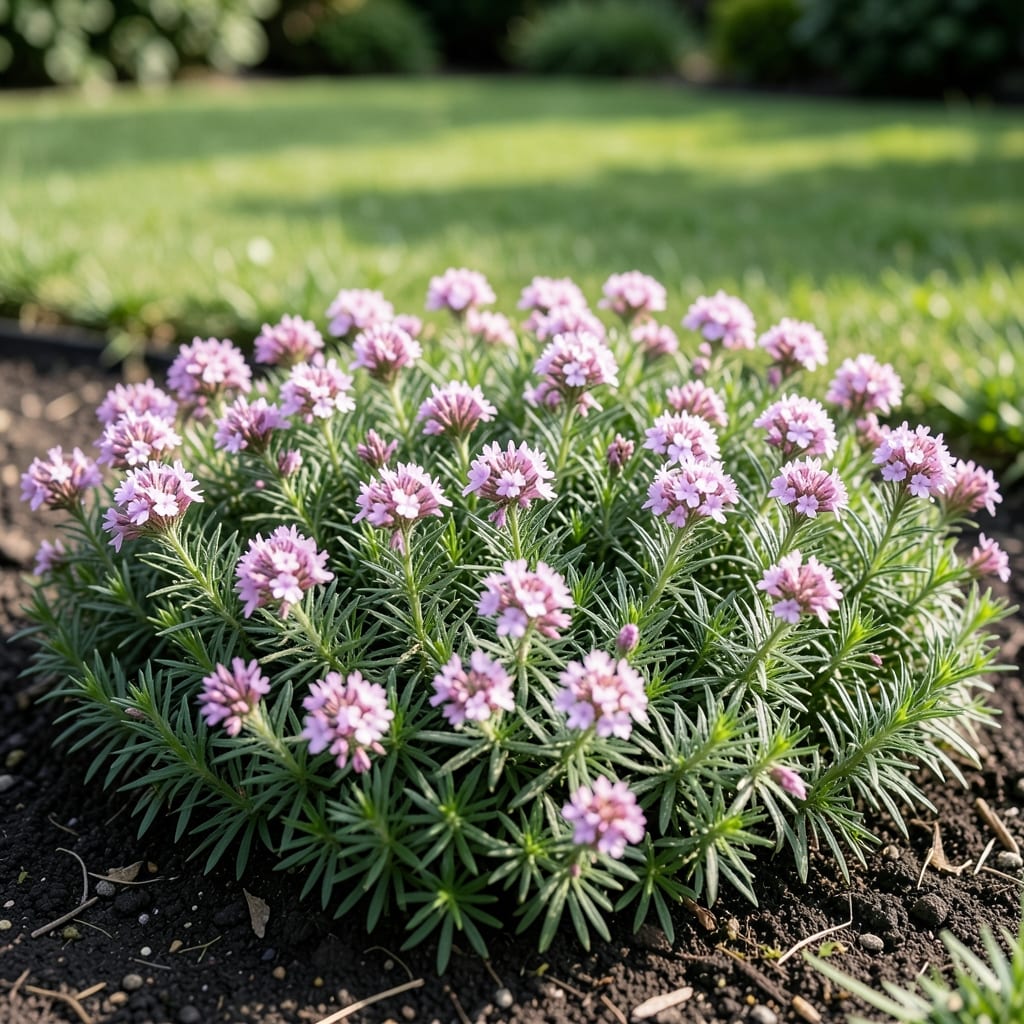
Yellowing creeping phlox leaves ruined my spring display last year. Turns out, it’s usually fixable with a simple adjustment to watering, sunlight, or soil conditions.
I now check for soggy roots, pale new growth, or brown spots first. Most issues clear up within 2 weeks once you address the real problem, not just the symptoms.
📚 In This Guide
These quick steps help you identify the issue and restore your plants to vibrant health.
Start by testing the soil around your creeping phlox. Stick your finger 1-2 inches deep into the ground. If it feels bone dry, under-watering is likely the culprit. If it’s soggy or water pools on the surface, you’re overwatering and suffocating the roots.
I’ve found that yellowing often appears first on lower leaves when the problem is water-related. Water deeply but only when the soil feels dry to the touch. This encourages deep root growth and prevents both drought stress and root rot.
Creeping phlox thrives in full sun to partial shade. If your plants are in deep shade, they may develop yellow leaves from lack of photosynthesis. Conversely, intense afternoon sun in hot climates can scorch leaves, especially if the soil is dry.
Observe your plants throughout the day. Ideal light conditions give you vibrant green foliage. If leaves yellow only on the side facing the sun, you’re likely dealing with sunburn. Consider moving plants or adding afternoon shade.
Nitrogen deficiency often shows as uniform yellowing starting with older leaves. A lack of iron or magnesium can cause yellowing between leaf veins while veins stay green. Test your soil or apply a balanced, slow-release fertilizer to address general deficiencies.
I apply a light layer of compost around the base of my phlox in early spring. This provides a steady supply of nutrients without overwhelming the plants. Avoid high-nitrogen fertilizers, as they can promote leafy growth at the expense of flowers.
Check the undersides of leaves for spider mites or aphids, which can cause yellowing as they feed on plant juices. Powdery mildew often appears as a white coating on leaves, eventually causing them to yellow and drop.
If you spot pests, a strong blast of water can dislodge them. For fungal issues, improve air circulation and avoid wetting leaves when watering. I’ve found that early morning watering allows foliage to dry quickly, reducing disease risk.
Creeping phlox prefers slightly acidic to neutral soil with a pH between 6.0 and 7.0. Extremely alkaline soil can lock out essential nutrients, causing yellowing. Test your soil pH and amend if necessary.
Poor drainage can also lead to yellow leaves. If water pools around your plants after rain, consider amending the soil with organic matter or creating small mounds to improve drainage. I’ve seen dramatic improvements in plant health after addressing drainage issues.
These quick insights will help you diagnose issues faster and keep your plants thriving.
The Depth Check: In Step 1, when testing soil moisture, that 1-2 inches deep finger test is crucial. Don’t just scratch the surface—roots need consistent moisture at depth. I learned this the hard way after losing several plants to shallow watering.
Light Observation: For Step 2, take time to watch your plants throughout the day. Sunburn often shows as yellow patches only on sun-facing sides, while shade-related yellowing appears more uniformly. This simple observation saves guesswork.
Drainage Solution: Step 5’s advice about drainage is spot-on. If water pools after rain, don’t just wait for it to evaporate—amending with organic matter or creating mounds makes an immediate difference. I’ve seen wilting plants recover within days after fixing drainage.
Watering Timing: Early morning watering mentioned in Step 4 isn’t just preference—it’s prevention. Evening watering leaves foliage damp overnight, creating perfect conditions for fungal growth. That one timing change can eliminate most disease issues.
Yellowing leaves often signal overwatering, poor drainage, or fungal diseases like powdery mildew. Check soil moisture and improve airflow to prevent further damage.
Prune right after flowering (usually late spring) to encourage healthy growth. Avoid cutting back in fall, as new growth needs time to harden before winter.
Consider sedum, ice plant, or vinca for similar ground cover. These are drought-tolerant and thrive in comparable conditions with minimal care.
Remove affected leaves, improve air circulation, and apply fungicide if needed. Water at the base to keep foliage dry and reduce fungal spread.