
Beautiful Plants For Your Interior
Beautiful Plants For Your Interior
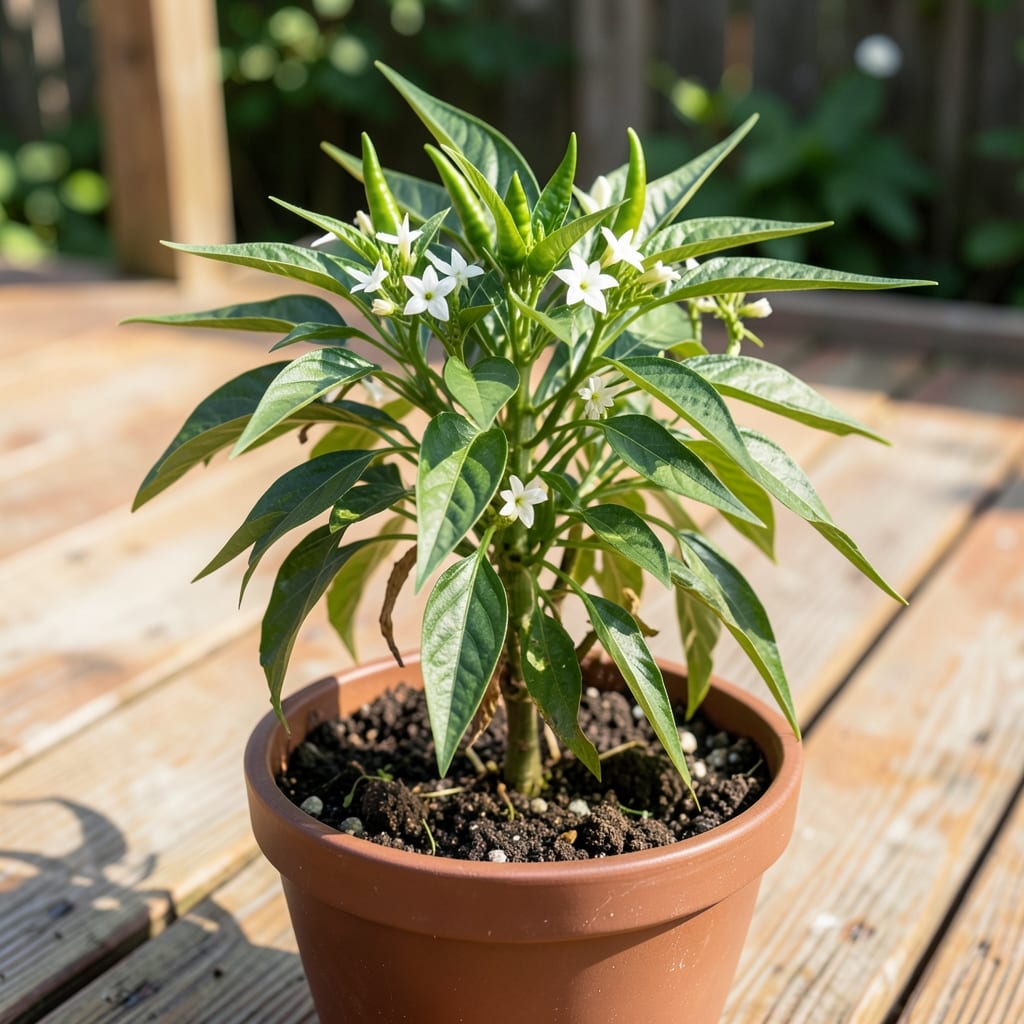
Nothing sinks your gardening spirit like seeing your chilli plant leaves suddenly droop. I’ve been there—staring at sad, wilted foliage, wondering what went wrong overnight.
Good news: drooping is usually your plant’s way of saying it needs a quick fix. Overwatering, underwatering, pests, or even a draft can trigger it. The causes are simple once you know what to look for.
With a few adjustments, those leaves bounce back faster than you’d expect. Most issues resolve within 24-48 hours once you address the root problem.
Works for container plants, raised beds, or backyard gardens. Here’s how to diagnose and revive them.
Chilli plant leaves drooping is often a sign of stress, and several factors can trigger this issue. Understanding the root cause helps you act fast to revive your plant. Here are the most common culprits:
Water stress is a primary reason for drooping. Underwatering causes leaves to wilt as the plant conserves moisture, while overwatering suffocates roots, preventing them from absorbing oxygen. Check the soil: if it’s bone-dry or waterlogged, adjust your watering routine. Aim for moist but well-drained soil.
Chilli plants thrive in warm conditions (70–85°F). Exposure to cold drafts (below 50°F) or heatwaves (above 90°F) can cause leaves to droop as the plant struggles to regulate moisture. Move potted chillies indoors or to shade during extreme weather.
If you’ve recently repotted or disturbed the roots, your chilli may experience transplant shock. Damaged roots can’t uptake water efficiently, leading to limp leaves. Avoid overhandling roots and provide consistent moisture post-transplant.
Pests like aphids, spider mites, or whiteflies sap plant juices, weakening the chilli and causing drooping. Inspect the undersides of leaves for tiny bugs or webbing. Treat with neem oil or insecticidal soap to restore plant health.
A lack of magnesium, potassium, or nitrogen can manifest as drooping leaves. Yellowing or curling often accompanies this. Use a balanced fertilizer and test soil pH (ideal: 6.0–6.8) to ensure nutrient availability.
Here’s how to tackle each common cause and bring your chilli plant back to life:
Give your plant a deep watering until water drains from the bottom. Let the top inch of soil dry out before watering again. Prevention tip: Stick to a consistent schedule—early morning is best to reduce evaporation. 💡 Pro tip: Use a moisture meter to avoid guesswork.
Stop watering immediately and let the soil dry out. If root rot is suspected, repot in fresh, well-draining soil. Ensure pots have drainage holes. Prevention tip: Water only when the top 1-2 inches of soil are dry. Consider terracotta pots—they wick away excess moisture.
Move the plant to a shadier spot, especially during peak afternoon heat. Use mulch to retain soil moisture. Prevention tip: If growing indoors, keep plants away from hot windows or heating vents. 🌡️ Pro tip: A light misting can cool leaves but avoid soaking them.
Gently remove the plant, loosen the roots, and repot into a larger container with fresh potting mix. Prevention tip: Check roots every 6-12 months. If they’re circling the pot, it’s time for an upgrade.
Wipe leaves with neem oil or insecticidal soap. For severe cases, isolate the plant and repeat treatment every 5-7 days. Prevention tip: Regularly inspect leaves (especially undersides) and keep the growing area clean. ✨ Pro tip: Introduce beneficial insects like ladybugs for natural pest control.
Small adjustments can make a big difference—your chilli plant will perk up in no time!
Water when the top 1-2 inches of soil feel dry. Typically, this means 2-3 times per week in warm weather. Always check soil moisture with your finger first.
Yes, if you address the cause quickly. Most plants perk up within 24-48 hours after fixing water, temperature, or pest issues. Severely damaged roots may take longer.
Chillies thrive between 70-85°F during the day. Avoid exposing them to temperatures below 50°F or above 90°F, as this causes stress and drooping.
Check the soil: if it’s bone-dry, it’s underwatered. If it’s soggy or smells musty, it’s overwatered. Drooping leaves in the morning often signal underwatering, while constant wilting suggests overwatering.